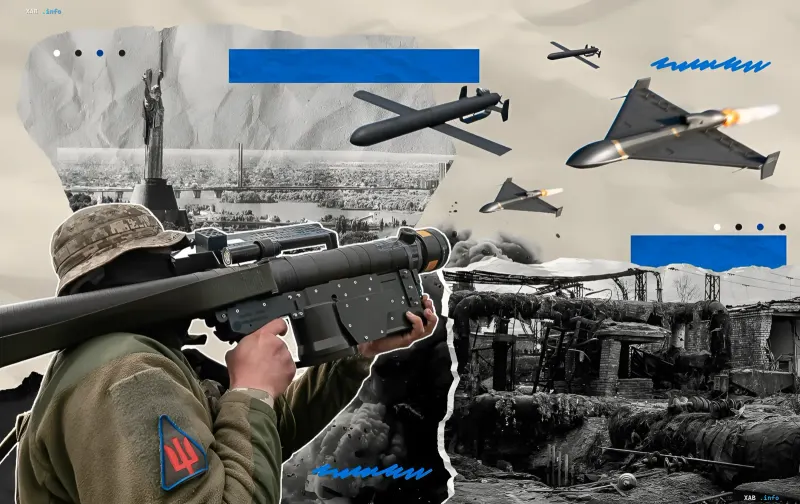
The Russian Federation is significantly increasing the deployment of jet-powered drones while simultaneously expanding a large-scale campaign of strikes against Ukraine's rear regions. Following a series of targeted attacks on logistics hubs, transport networks, and digital infrastructure, Moscow has focused its primary efforts on energy facilities. This strategy is clearly aimed at preparing for a new, severe phase of confrontation ahead of the winter period of 2026, placing unprecedented pressure on the capital's critical infrastructure.
Tactical Evolution and New Targets in the Rear
Over the past month, residents of Kyiv and the Kyiv region have been living under conditions of almost continuous air raid alerts. Military analysts note a change in the structure of the raids: the enemy has stopped limiting itself solely to night strikes on the outskirts and has begun actively combining ballistic missiles with new high-speed drones. The targets now include not only energy nodes, but also major logistics centers, industrial enterprises, data centers, and telecommunication facilities, directly threatening the stability of the urban economy.
Technical Features of Jet Drones
The main innovation of the current campaign is the mass deployment of jet-powered drones such as Geran-4 and Geran-5. Unlike traditional slow-moving piston drones, these devices are equipped with turbojet engines, drastically changing the dynamics of aerial combat. High flight speeds significantly reduce the time available for Ukrainian air defense forces to detect, track, and intercept targets. According to Defense Forces sources, monthly production of such drones reaches two thousand units, though scaling production is currently constrained by a shortage of imported power plants.
Air Defense Burden and Force Attrition
The combination of jet and traditional drones within small maneuverable groups allows the enemy to stretch attacks over many hours, maintaining constant psychological and physical tension in the rear. According to official data, the interception efficiency for jet-powered devices remains noticeably lower than for piston analogues, standing at around 57%. This makes them one of the most difficult tactical challenges for Ukrainian anti-aircraft gunners alongside ballistic missiles.