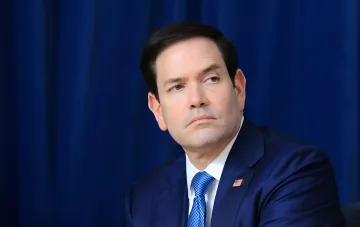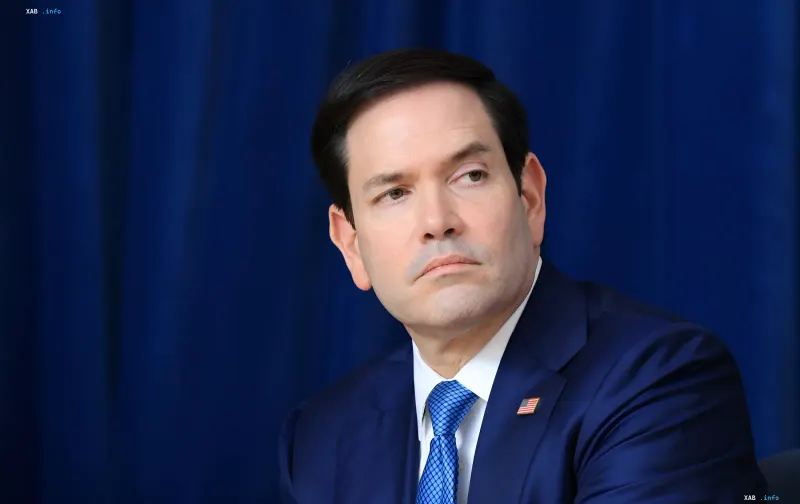
The White House's decision to ease sanctions pressure on Russia has sparked a wave of criticism in the US Congress. The central voice in the discussion was House Speaker Mike Johnson, who publicly warned the presidential administration of potential "unpredictable consequences" from lifting the restrictions. According to him, the corresponding sanctions bill was strongly supported by lawmakers just a few weeks ago, and therefore backing away from it requires careful consideration. The discussion was prompted by the temporary exemption of Russian diesel fuel from sanctions, arranged following Washington's agreement with Moscow in early October.
Speaker's Position: 'Putin Cannot Be Trusted'
Mike Johnson stated that he conveyed his reservations to the White House team and called for discussing the issue by "carefully weighing the unpredictable consequences that may stem from it." The politician emphasized that Congress "voted resolutely" for the sanctions restrictions and that "Putin cannot be trusted." According to him, the day before he had discussed the situation with several colleagues, including lawmakers from the intelligence and foreign affairs committees, who also expressed concern. At the same time, the speaker did not speak directly with Donald Trump at that moment, explaining this by the busy schedules and travels of both politicians.
Criticism from Own Ranks
Dissatisfaction with the president's decision was also expressed by other Republicans. North Carolina Senator Thom Tillis took to social media platform X to question the administration's willingness to carry out the will of Congress, reminding that the corresponding bill in the Senate was supported by 86 votes to 11. Nebraska Representative Don Bacon also criticized the president's move, stating that he is "continuing the war, not ending it." Thus, the split over sanctions has manifested not only between the administration and lawmakers, but also within the Republican Party.
Context: Diesel Agreement and Expansion of Suspension
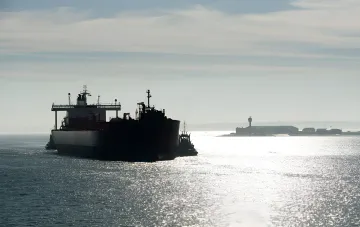
According to available data, in early October, President Donald Trump's administration agreed with Moscow on diesel fuel supplies, after which the US Treasury Department temporarily exempted Russian diesel from sanctions until April 7, 2027. The decree suspending the application of new anti-Russian sanctions and tariffs was reportedly signed on October 16 and justified by the country's national interests; this refers to restrictions stipulated by the Lindsey Graham Act, which entered into force in September. Ukrainian authorities, according to sources, also received information about Washington's plans to expand the suspension of sanctions regarding gas trade, the use of tankers, and restrictions on a number of companies and individuals.
Kyiv's and European Partners' Reaction
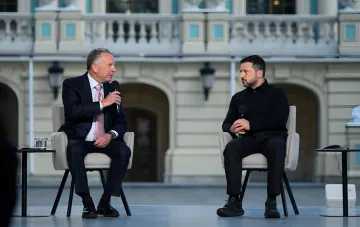
The decision to exempt diesel fuel from sanctions drew a sharp reaction from Volodymyr Zelenskyy, European leaders, and Republicans in Congress. In Ukraine, the agreement was called unfair. Against this backdrop, Speaker Johnson, while maintaining formal support for the president, expressed hope that the administration will ultimately "make the right decision," noting that, in his view, the president is evaluating the issue as carefully as other decisions, striving to ensure the country's security and lower the cost of living for Americans.