Kazakhstan's Minister of Energy Erlan Akkenzhenov stated that the private 'Kondensat' oil refinery will soon begin processing Russian crude, with the lion's share of the produced gasoline and diesel fuel to be supplied back to Russia. According to the official, Astana and Moscow have already reached the relevant agreements, and there are no legal obstacles to importing the raw materials, since the owner of the Kazakh enterprise is not subject to international sanctions. This is reported by RBC-Ukraine, citing Radio Azattyk.
The essence of the tolling scheme
The agreement is structured on a classic tolling model: Russia supplies the raw materials, Kazakhstan processes them and returns the finished product. Under the terms, up to 70% of the produced gasoline and diesel will be directed to Russia, while the remaining 30% of petroleum products will stay for the needs of the domestic Kazakh market. Supplies of Russian raw materials to the plant may begin in the near future — the exact timing has not been disclosed by the parties.
Logistics and capacity
The key constraint of the scheme is logistics. The enterprise is located near the border with Russia, but it has no connection to the trunk oil pipelines, so the raw materials and finished product will be transported exclusively by rail. Processing volumes depend directly on the throughput capacity of the railway infrastructure. The total capacity of the private 'Kondensat' refinery is up to 850,000 tonnes per year.
Sanctions context and cooperation with 'Tatneft'
This is not the first case of the enterprise's cooperation with Russian business. Since 2024, the 'Kondensat' refinery has been receiving orders from the Russian company 'Tatneft', which is under sanctions from the United Kingdom and Canada. It is precisely the absence of sanctions against the owner of the Kazakh plant, according to Akkenzhenov, that makes the scheme legally permissible from the standpoint of international law.
Background: the second wave of fuel shortage in Russia
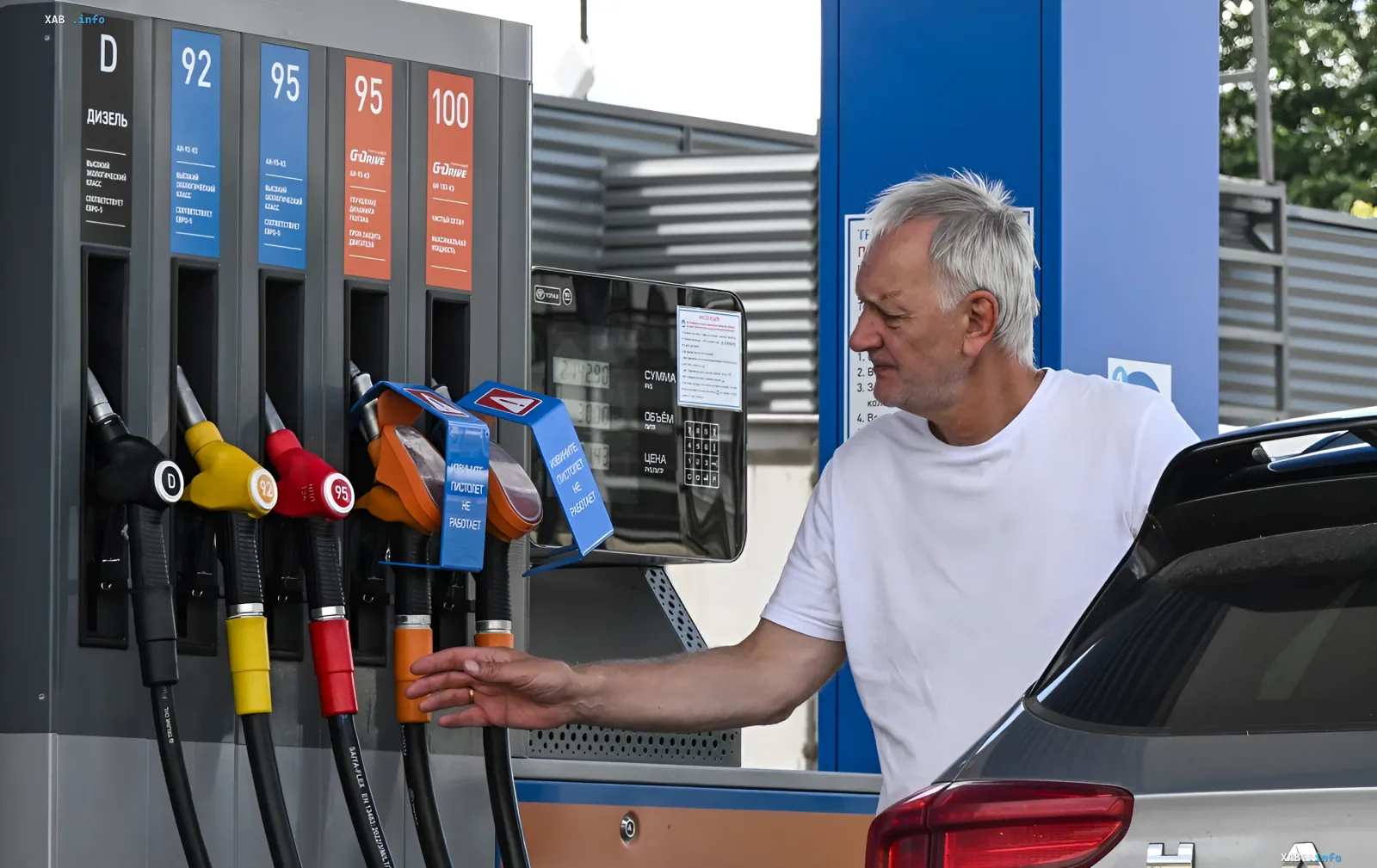
Experts link the intensification of the scheme to the fact that Russia is forced to urgently increase its purchases of gasoline and aviation kerosene in Asian countries against the backdrop of a second wave of a large-scale fuel shortage. Against the same backdrop, there are also internal calls for the population to adopt a 'meek' attitude toward the fuel shortage, which underscores the acuteness of the problem for the Russian market.