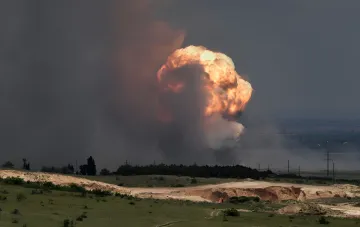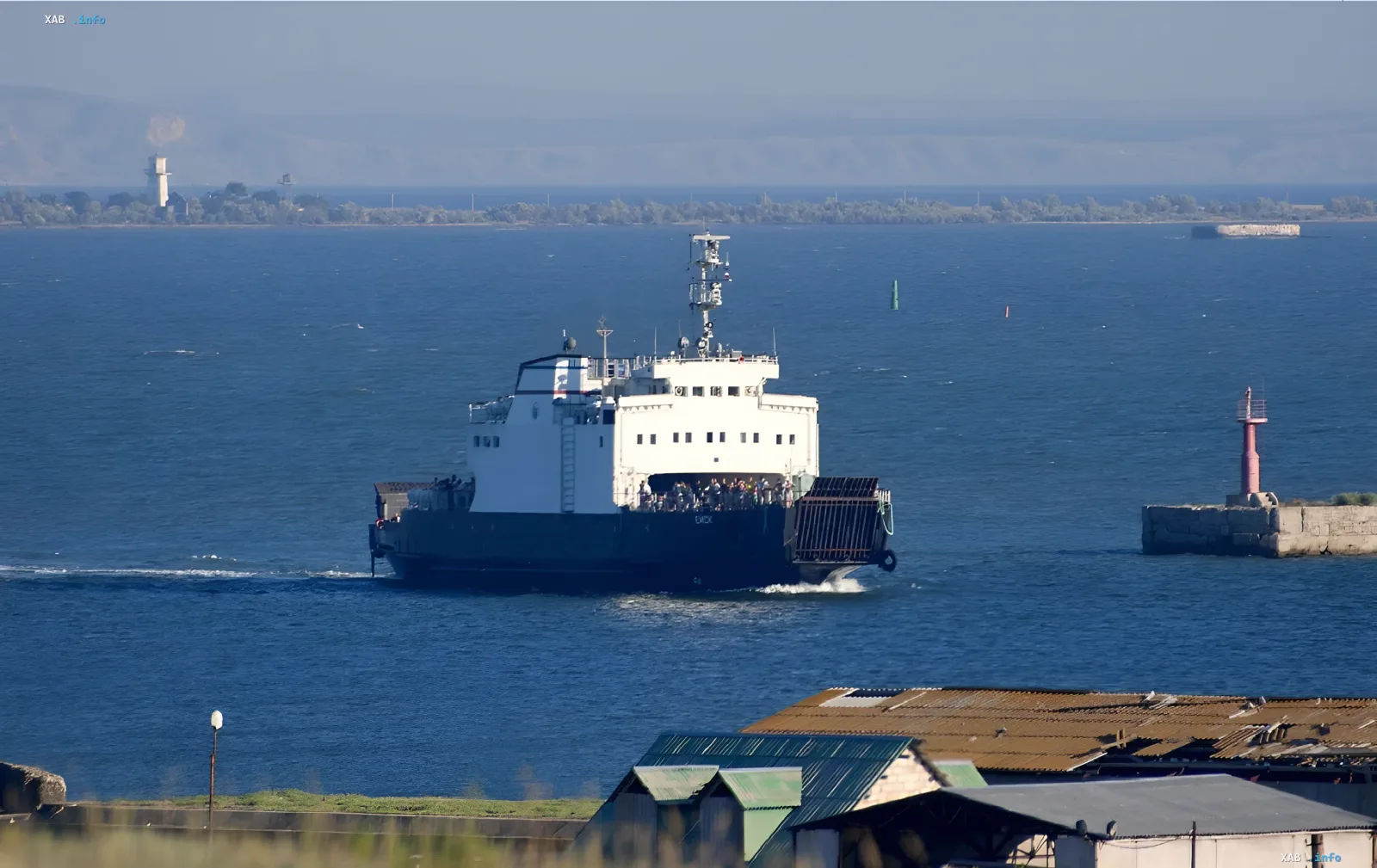
The Kerch ferry crossing, which served as a key logistical hub for the occupation grouping in Crimea, has practically ceased to function. As a result of coordinated operations by the Special Operations Forces (SOF) and other Ukrainian special services, the ferry service has been paralyzed. According to the commander of the SBS unit Robert Brovdi, known as "Madjar", out of the five ferries providing logistics, the majority have been destroyed or suffered serious damage.
Devastation of the logistical hub
Before the start of the large-scale operation, four regular ferries carried out transportation between the "Kavkaz" and "Crimea" ports, while a fifth vessel was in reserve in the port of Kerch. The total daily throughput capacity of the crossing in normal mode ranged from 180 to 250 units of equipment. One ferry could transport from 8 to 15 vehicles, depending on their dimensions and weight.
A critical factor was that 80% of all traffic passing through the crossing was allocated to the Russian Ministry of Defense. This means that strikes on ferry communications caused direct damage to military transport, depriving the occupiers of the ability to promptly transfer equipment and cargo.
Part of a broader isolation strategy
The current devastation of the Kerch crossing is not an isolated event. It is part of a broader special operation aimed at the complete isolation of the occupied peninsula. Ukraine's unmanned systems forces are demonstrating high intensity of strikes, systematically destroying the enemy's military capabilities in the Black Sea region.
An especially active period occurred in mid-July:
- On the night of July 19, Ukrainian drones carried out a massive raid, during which 13 substations in Crimea and 4 vessels of Russia's "shadow fleet" in the Black Sea were hit. This strike caused serious damage to both the logistics and energy supply of the occupation forces.
- A day earlier, on the night of July 18, drones hit another 13 vessels of the Russian Federation's "shadow fleet" in the Black and Azov Seas.
Supply crisis in the south
Operation "MoLoChKa" became a turning point in the naval war. In the first 12 days of the active phase, Ukrainian maritime drones destroyed 12 vessels of Russia's shadow fleet in a single day. This effectively deprived the Russian Ministry of Defense of the ability to safely transfer equipment and ammunition by sea.
Another disabling of ferries and logistical vessels is driving the occupation grouping in the south into a deep supply crisis. The destruction of crossing infrastructure and "shadow fleet" vessels creates insurmountable obstacles for the enemy in their attempt to maintain the combat readiness of their units in Crimea.