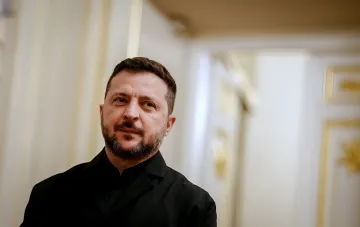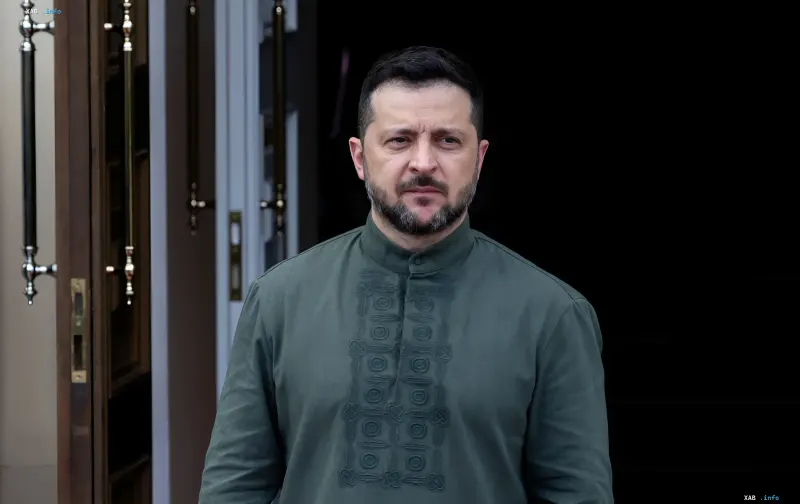
President of Ukraine Volodymyr Zelenskyy, during a joint briefing with German Chancellor Friedrich Merz in Kyiv, made a resonant statement about the course of the war. According to the head of state, the resilience and steadfastness of Kharkiv have become one of the hardest and most symbolic defeats for Russian leader Vladimir Putin. The city did not capitulate in the face of Russian aggression, destroying the Kremlin's initial plans to seize strategically important regions of Ukraine.
The Kremlin's Symbolic Defeat
The Ukrainian leader stressed that Russian troops repeatedly tried to sow chaos and panic in various regions of the country, but Kharkiv remained a bastion of resistance. Putin made a strategic mistake by underestimating the strength of spirit of local residents. Despite the fact that enemy units were in close proximity to the city, breaking the people of Kharkiv proved impossible. The president expressed deep gratitude to them, stating that Kharkiv's victory over the invaders is of deep historical and symbolic character.
During communication with the press, the head of state also drew attention to the destructive logic of the Russian leadership. He expressed genuine surprise at the Kremlin's ongoing attempts to escalate the conflict through strikes on critical infrastructure, data centers, and mobile communication systems. Zelenskyy noted that such barbaric methods do not take into account a mirror response from Ukraine, and also demonstrate Moscow's complete inability to engage in constructive dialogue or diplomatic settlement of the conflict.
Assessment of Peace Process Prospects
Analyzing the current situation on the frontline and the enemy's methods of warfare, the President of Ukraine emphasized the impossibility of achieving peace through concessions. In his opinion, any calls to simply negotiate with the Russian leadership are doomed to failure, as the Kremlin relies exclusively on escalation. Such statements underline the tough stance of the Ukrainian authorities regarding any attempts to force disadvantageous peace agreements.