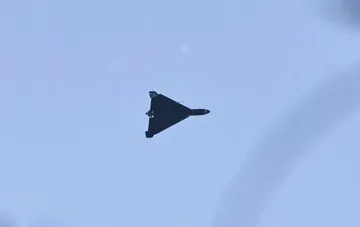
On the night of 24 September 2026, Khmelnytskyi and the entire Khmelnytskyi region came under a massive attack by Russian drones on Ukrainian air defense. This was announced by the head of the Khmelnytskyi Regional Military Administration, Serhiy Tyurin, who noted that the enemy struck the region with drones throughout the night. According to the Ukrainian Air Force, among the attackers were also jet-powered drones. Tyurin promised to provide additional details on the number of downed aircraft a little later, without revealing the results of air defense operations at the time of his first statement.
Consequences of the strike on the regional center
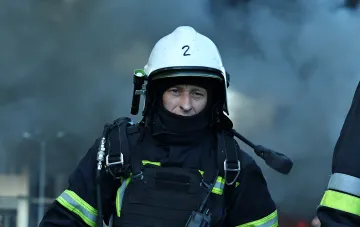
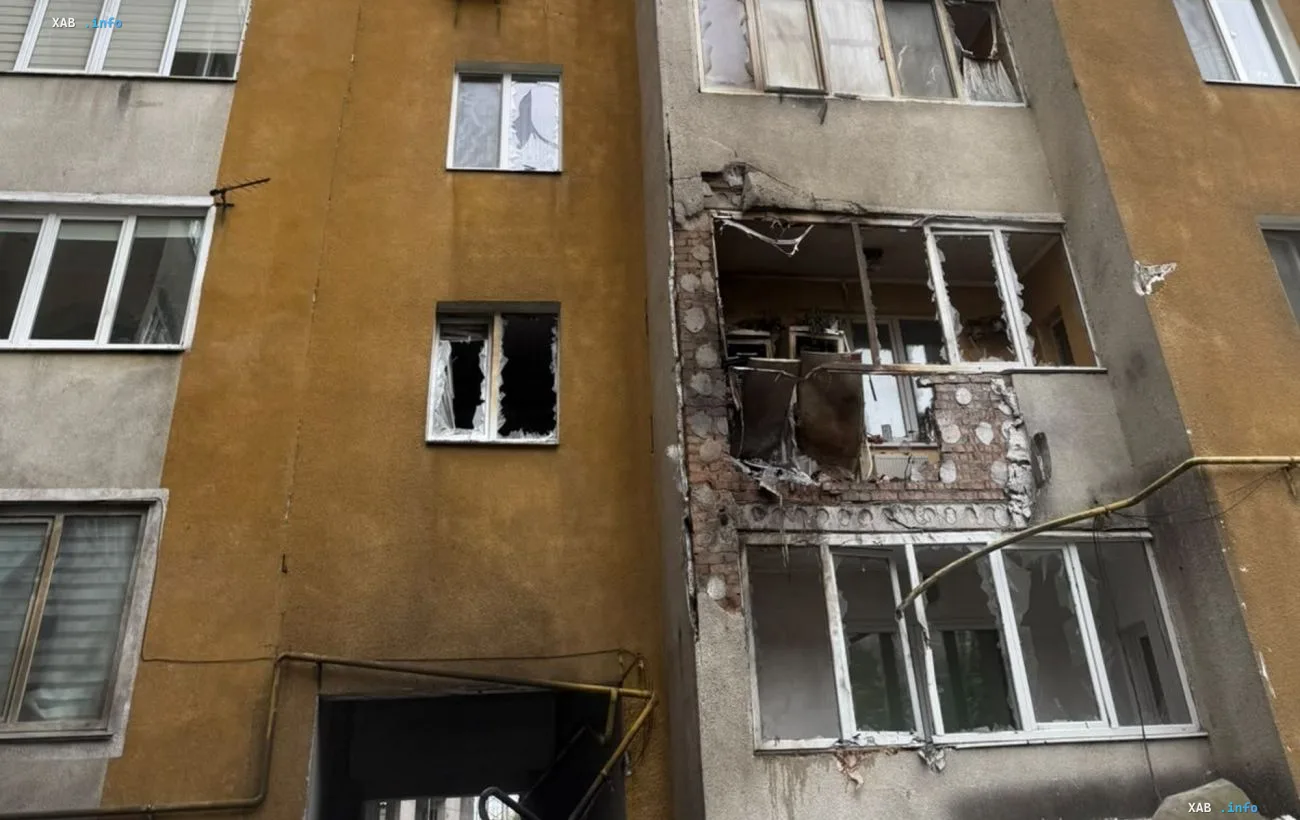
As a result of the night attack, a hit on a residential high-rise building in the center of Khmelnytskyi was recorded. All necessary emergency services were dispatched to the scene. The city mayor, Oleksandr Symchyshyn, confirmed the damage: in the multi-apartment residential building, windows were shattered, balconies were damaged, and a vehicle parked nearby was also affected. As of the morning of 24 September, no casualties or injuries were reported in official statements; however, Symchyshyn and Tyurin did not rule out updates to the information as the rescue services completed their work.
Widescale aerial offensive on western Ukraine
The attack on Khmelnytskyi Oblast was not an isolated incident. Drones struck western regions of Ukraine throughout the night: air alerts were declared repeatedly, and the Ukrainian Air Force warned of the movement of enemy drones over several oblasts. At the same time, this night Kyiv and Kyiv Oblast came under a massive strike — according to Ukrainian authorities, Russia used ballistic missiles, anti-ship missiles, and drones. In Odesa, the attack by Shaheds shattered windows in a medical facility, a school, and ten residential buildings.
Context: the evolution of the Shahed threat
Russian Shahed-type drones (Shahed-136/131) have become the main instrument of massive night attacks on Ukrainian infrastructure and residential neighborhoods. According to Ukrainian intelligence structures, including the HUR (Main Directorate of Intelligence), the adversary continues to modify the drone design: in particular, there is discussion of the emergence of modifications capable of simultaneously carrying a man-portable air-defense system (MANPADS) and a warhead, as well as the integration of artificial intelligence elements to improve targeting accuracy and resistance to electronic countermeasures. It was precisely such aircraft, according to Air Force reports, that were used in the night attack on Khmelnytskyi Oblast.
Contradictory data
At the time of publication of the first statement by the head of the Khmelnytskyi Regional Military Administration, Serhiy Tyurin, no precise data was presented on the number of drones downed or on how many of them reached their target. Tyurin limited himself to the phrase that details on the downing would be announced "a little later." Meanwhile, Mayor Symchyshyn had already confirmed the fact of a hit on a residential building, which indirectly indicates that at least one drone penetrated the air defense system. Thus, at the time of the morning statements, the picture of the attack remained incomplete: a hit on one high-rise was confirmed, but the overall scale — the number of drones launched, downed, and that reached their target — had not been disclosed by either side at the time of publication.
As of the morning of 24 September 2026, emergency services continue to work at the site of the strike in Khmelnytskyi. Official authorities have promised to provide updated information on the damage and possible casualties during the day.