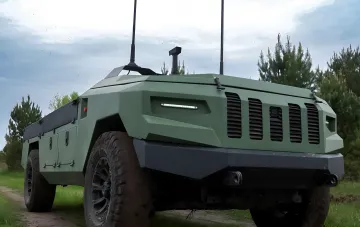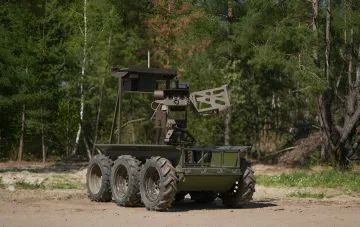
Modern warfare is radically changing the face of combat operations. Increasingly, machines are being sent into dangerous zones on the front lines instead of living people. A striking example of this evolution is the deployment of the Droid TW 12.7 ground robotic complex by soldiers of the 33rd Separate Assault Regiment. Thanks to this technical solution, Ukrainian military forces were able to destroy an enemy position without exposing their personnel to direct threat.
According to information provided by RBC-Ukraine, the operation began with a robot advancing towards the occupiers' positions. The military remotely controlled the complex, opening fire on the enemy from a safe location. This allowed for the elimination of direct risk to the lives of soldiers at the initial stage of the assault.
Synergy of Ground and Air Systems
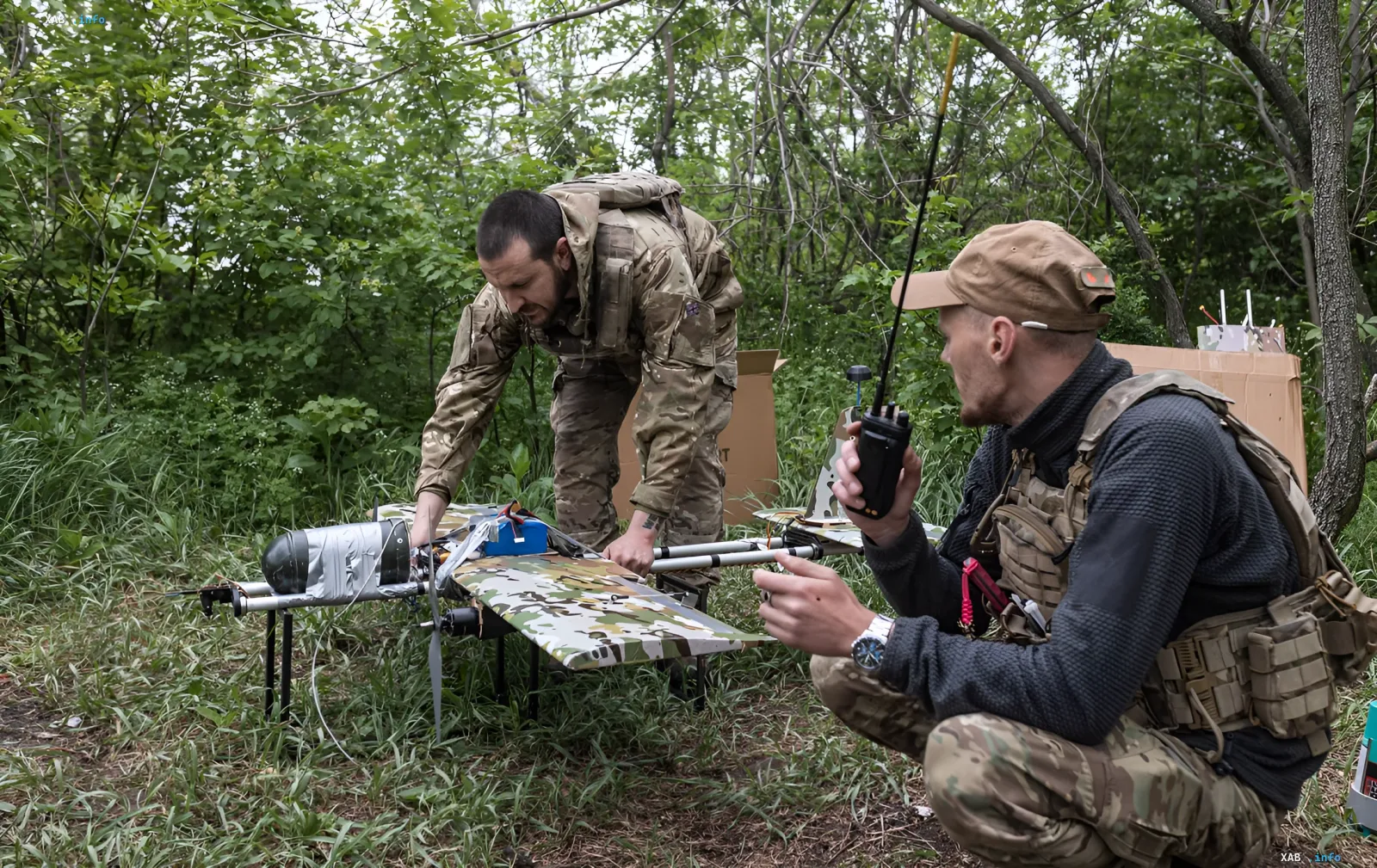
The key factor in success was not just the operation of a single robot, but a coordinated combination of various means. After the ground complex completed its task, unmanned aerial vehicles were brought into the operation. They delivered precise strikes on the hostile position, finishing off the enemy.
This approach — combining ground and air robotic systems — allowed for the sequential striking of the enemy and the completion of combat tasks with minimal involvement of human personnel in the danger zone.
Technologies Created for Victory
The Droid TW 12.7 complex is a development by the team of Ukrainian engineers DevDroid. The creators focused on solving reconnaissance and fire suppression tasks directly on the battlefield. The machine's operation is based on remote control, a built-in ballistic computer, and artificial intelligence algorithms that allow for the precise detection and engagement of targets.
The robot's armament consists of a remotely controlled turret equipped with the legendary M2 Browning machine gun with a caliber of 12.7 mm. This arsenal allows for the effective destruction of:
- Lightly armored targets, such as BMPs and BTRs;
- Enemy armored vehicles;
- Unarmored equipment;
- Enemy manpower at short and medium ranges.
In addition to the direct destruction of equipment, the complex is capable of suppressing enemy platoon and strongpoint positions with fire.
Reconnaissance and Mobility
An important aspect of the application of Droid TW 12.7 is remote observation. Built-in cameras and data transmission systems provide the operator with full situational awareness in real-time, maintaining a safe distance from the enemy.
The robot's design ensures high mobility, allowing it to overcome difficult terrain and off-road conditions. The complex has already been tested in real combat conditions and features a minimal deployment time — from the moment of transport to combat readiness, it takes only a few minutes.
The Future of War: Synergy, Not Replacement
Despite the impressive capabilities of robots, they are not able to completely replace other means of destruction. As Colonel of the Armed Forces of Ukraine Serhiy Musienko noted in a column for RBC-Ukraine, the future of war lies not in the opposition of technologies, but in their synergy. Effectiveness is achieved precisely through the combination of drones and artillery, as well as the integration of robotics into the overall tactical scheme.
The development of systems such as Droid TW 12.7, as well as interceptor drones, demonstrates the rapid progress of military robotics. The question of whether artificial intelligence will be able to completely replace human operators in the future remains open, but today machines are already proving their indispensability on the front lines.