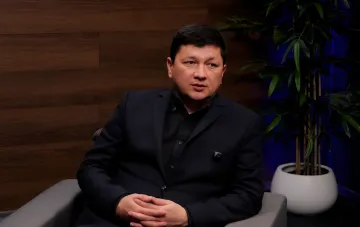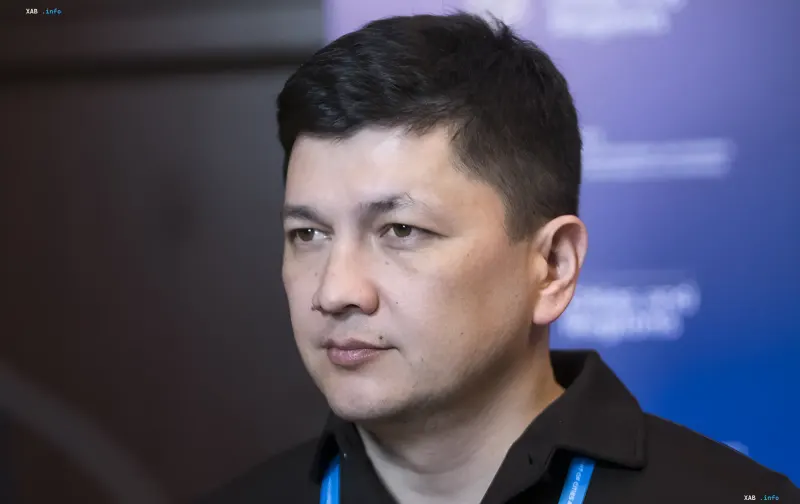
Minister for Veterans Affairs Vitaliy Kim announced plans in an interview to change the approach to providing veterans with housing after the end of the war. According to him, state-owned lands managed by the Ministry of Defense of Ukraine could become one of the key resources for implementing the housing program. 'The Ministry of Defense has a lot of land belonging to the state. It can be used to build housing for military personnel and veterans,' the minister concluded. Thus, this involves the direct use of departmental resources to solve social tasks, which, according to the initiators, will speed up and reduce the cost of constructing residential facilities.
Priority for the Most Vulnerable Categories
Kim emphasized that current state programs in the field of veterans' housing provision primarily cover the most vulnerable categories of citizens. 'A veteran without a disability is no worse than a person with a disability. They fought just as much. But the state cannot give everything to everyone at once. Programs must start with the most difficult cases,' the minister explained. In May 2026, the Cabinet of Ministers approved a housing purchase compensation program for 2.1 thousand war veterans and families of fallen servicemen. Assistance is provided for people with group I–II disabilities sustained as a result of combat operations, as well as for families of fallen defenders of Ukraine.
Transport Special Service as a Construction Resource
A separate direction, which the minister called 'one of the possible options,' is the involvement of the State Special Transport Service (SSTS) in post-war housing construction. According to Kim, this structure has significant experience in the rapid construction and restoration of infrastructure facilities and is capable of performing such work with minimal costs. As a clear example, the minister cited the service's activities in Mykolaiv Oblast: over eight months, the SSTS restored 22 bridges. 'This experience can also be used to build housing for veterans,' Kim noted, implying the transfer of operational construction competencies to the residential sector.
Context: From Compensation to Own Construction
The model proposed by Kim represents a shift from the current model, in which the state predominantly pays monetary compensation for purchasing ready-made housing, to a model where the state acts as a direct developer on its own lands. Using Defense Ministry lands bypasses a number of procedural barriers related to land allocation and registration, while involving the SSTS reduces construction time and costs through already established logistics and construction chains. At the same time, the minister did not disclose specific deadlines for implementing the initiative, the volumes of allocated land, or the expected number of apartments, leaving room for further discussions within interdepartmental coordination.
What's Next
Currently, Kim's voiced proposals are of a strategic vision nature and are not supported by approved regulatory acts or budgets. Their implementation will require coordination between the Ministry for Veterans Affairs, the Ministry of Defense, the SSTS, and the Cabinet of Ministers, as well as resolving the legal status of Defense Ministry lands currently used for their designated purpose. Nevertheless, the very fact of publicly discussing such a model at the ministerial level indicates that the veterans' housing issue is considered one of the priority tasks of post-war recovery.