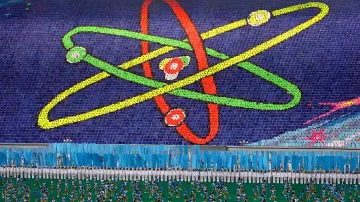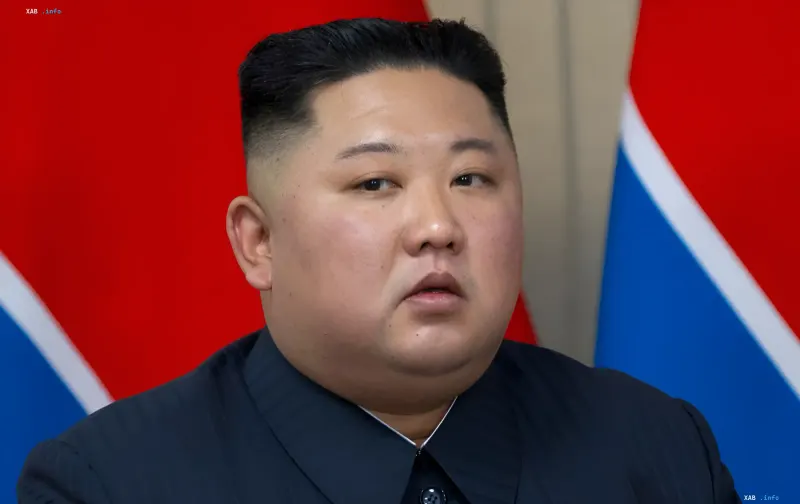
North Korean leader Kim Jong Un has inspected several nuclear material production enterprises, nuclear energy-related facilities, and a nuclear weapons research institute. The state agency KCNA did not disclose the names and locations of these sites, but analyst observations of the released footage reveal uranium enrichment installations and compact nuclear warheads, which experts link to Hwasan-31 systems. According to Reuters, the visit is intended to demonstrate Pyongyang's intention to expand its arsenal.
Priority on Tactical Nuclear Weapons
During the inspection, Kim Jong Un stated that the country must focus on using tactical nuclear weapons "in various fields and for carrying out diverse tasks." He called this an important and urgent task, citing the military value of such weapons in modern conflicts. According to KCNA, the North Korean leader also characterized recent achievements in nuclear weapons production as a significant success in implementing the country's nuclear forces policy.
"Irreversible" Status and Reaction to External Pressure
Kim Jong Un emphasized that North Korea's nuclear status is irreversible and enshrined in the Constitution—the relevant norm was introduced in 2023. According to him, Pyongyang does not need recognition or approval from other states, and attempts to question the country's nuclear status will be regarded as an "open declaration of war." Accusing the US of stepping up nuclear cooperation with Asian allies and forming a nuclear military alliance system, the North Korean leader specifically called South Korea the "most dangerous hostile state" and criticized its nuclear submarine plans.
Arsenal Estimates: Figures Vary
The exact number of nuclear warheads at Pyongyang's disposal is not disclosed, and various sources cite significantly different estimates. According to the Stockholm International Peace Research Institute (SIPRI), cited by Reuters in February 2026, the country may have possessed about 50 assembled warheads, along with materials to produce roughly 40 more. In August, South Korea's defense minister, citing estimates from private research organizations, spoke of Pyongyang potentially holding 80–120 warheads; these data are not officially confirmed.
Context: WPK Congress and Diplomatic Signals
Kim Jong Un's statements fit into the line set at the Ninth Congress of the Workers' Party of Korea in February 2026, where Pyongyang confirmed its intention to maintain its nuclear state status and strengthen nuclear deterrence as part of a five-year military modernization plan. Against this backdrop, US President Donald Trump previously suggested that his correspondence with the North Korean leader, which during his first presidential term he referred to as an exchange of "love letters," could resume.