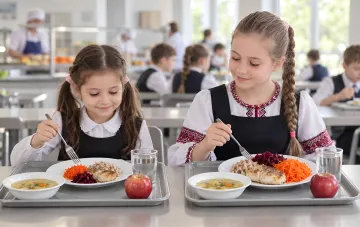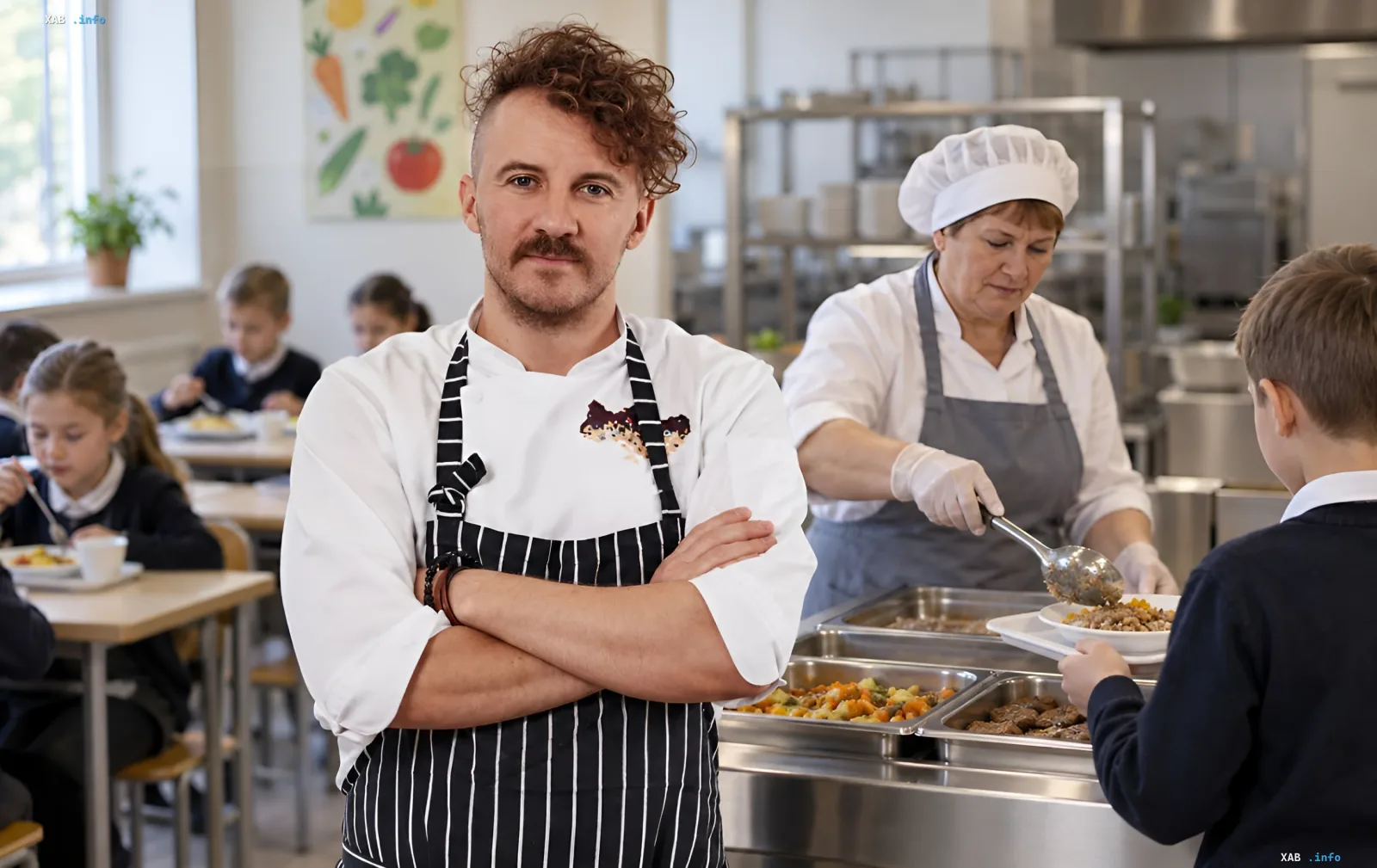
Famous Ukrainian chef and school nutrition reformer Yevhen Klopotenko has commented on a recent incident at an educational institution in Chernivtsi, where children were served a controversial lunch consisting of a casserole, bread, a whole carrot, and tea. This situation sparked a lively public discussion and reignited concerns over the quality of food in schools. However, despite criticism from parents and the public, the culinary expert stated that he views such cases merely as a signal of systemic flaws rather than proof of the collapse of the entire large-scale reform.
Causes and Challenges of School Nutrition
In an interview with Focus, Klopotenko stressed that isolated negative examples should not be extrapolated to the entire country, although ignoring them is strictly forbidden. According to him, if schoolchildren receive poorly prepared or unappealing food, it is necessary to thoroughly investigate the root causes in each specific educational institution. The reform launched at the state level encompasses a much wider range of tasks than simply adjusting the menu: it involves updating technological standards, purchasing modern equipment, and modernizing food blocks.
Contradictory Data
It is worth noting that acute debates regularly arise around school nutrition, with the opinions of parents, experts, and process organizers diverging significantly. Critics of the reform often point to a sharp reduction in salt and sugar in dishes, as well as the unpreparedness of canteen staff to work with new recipes. At the same time, supporters of the changes and official agencies insist on the need to improve the health of the nation from childhood, emphasizing that old approaches with an excess of carbohydrates and unhealthy fats have long outlived their usefulness, and emerging difficulties are temporary transition costs.
Working Conditions of Cooks and Completion of the Process
The chef paid separate attention to personnel issues, noting the absurdity of demanding new quality from canteen workers without creating decent working conditions for them, proper training, and adequate pay. Klopotenko's team tries to facilitate staff retraining, but acknowledges that the inertia of thinking formed over decades is overcome slowly. The culinary expert summarized that the current difficulties, exacerbated by the realities of a full-scale war, only point to areas of increased responsibility, and he considers the reform itself not a failure, but simply unfinished.