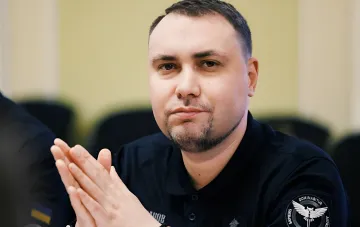
Ukrainian Prime Minister Serhiy Koretsky held a meeting with representatives of the Ministry of Health, the Ministry of Internal Affairs, and the Ministry of Defense, at which the entire cycle of identifying repatriated bodies was examined in detail — from forensic medical examination to subsequent procedures. At the end of the meeting, the head of government ordered the preparation of a clear plan of improvements within a week, aimed at eliminating excessive delays at certain stages and improving information exchange between state agencies.
Inter-agency coordination as a priority
“At each of these stages, it is necessary to strengthen coordination between agencies in order to complete all procedures more promptly. I ordered the preparation of a clear plan of improvements within a week,” Koretsky stated, emphasizing that the state must eliminate excessive delays and establish more effective information exchange. In his words, the key goal of the reform is to ensure that the families of the deceased receive accurate information as soon as possible and can properly say goodbye to their loved ones.
Expanding the capabilities of forensic medical examination
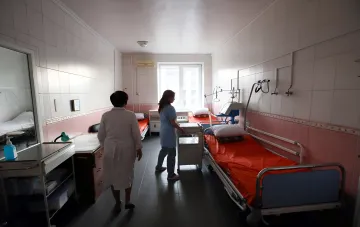
In parallel with organizational measures, Ukraine is strengthening the material and technical base of forensic medical examination. Currently, research is conducted by 21 regional forensic medical bureaus under the jurisdiction of the Ministry of Health. The draft state budget for 2027 provides for the allocation of over 600 million hryvnias, including for equipping the bureaus with the necessary equipment. This should help shorten the time for conducting examinations and improve the accuracy of identification.
Context: repatriation and losses in captivity
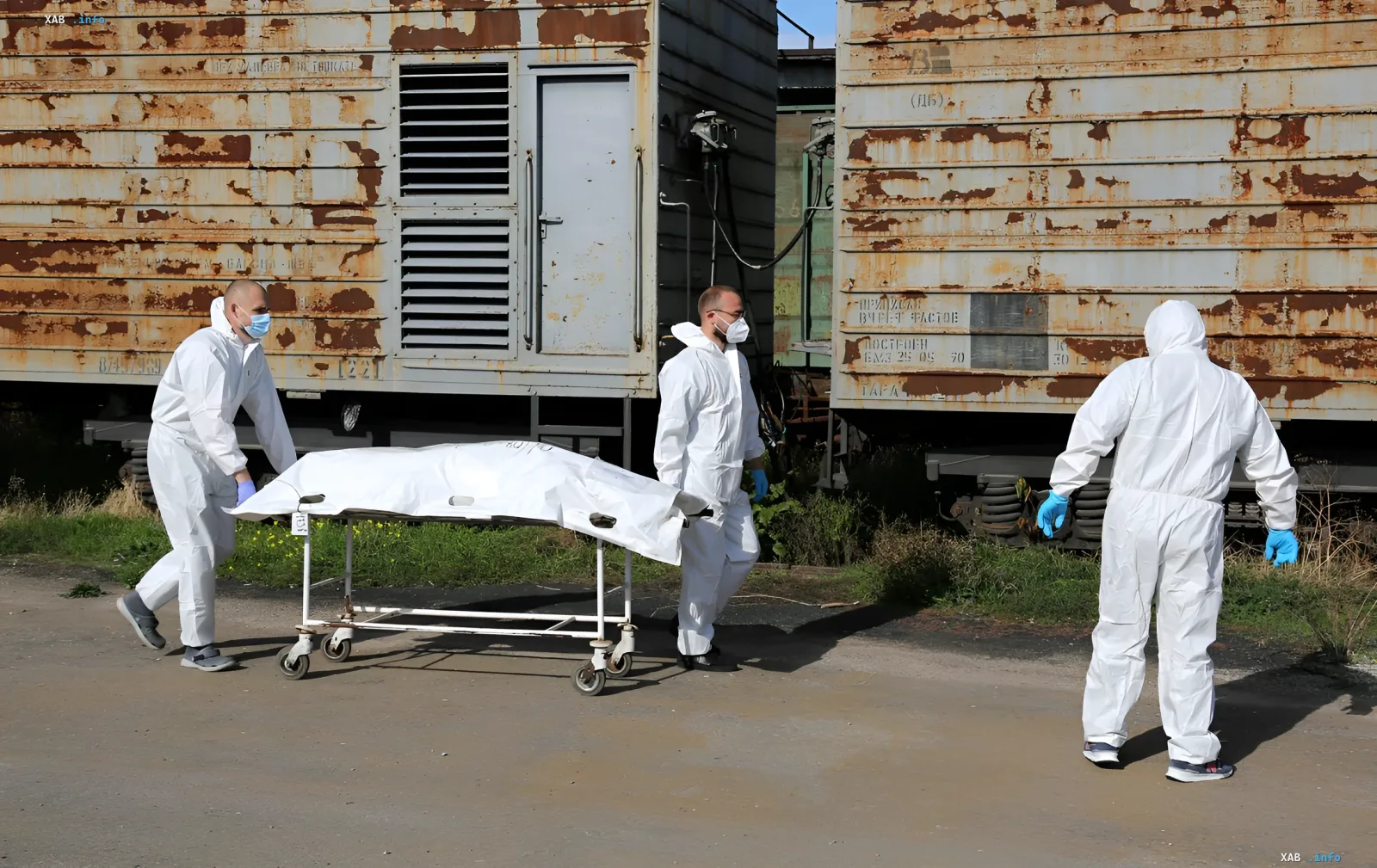
The decision to accelerate identification was made against the backdrop of ongoing repatriations. On September 17, 2026, the bodies of 252 deceased were returned to Ukraine, which, according to the Russian side, are Ukrainian military personnel. After repatriation, all bodies are subject to identification and the necessary examinations. Previously, RBC-Ukraine reported that at least 375 Ukrainians died in Russian captivity, including both prisoners of war and civilian hostages. Each new stage of repatriation increases the load on the forensic medical examination system and underscores the need for systemic organizational changes.
What's next
It is expected that within the next seven days, the relevant agencies will present a specific action plan for optimizing the process for the government's consideration. According to Koretsky's vision, the document should contain clear deadlines, responsible executors, and control mechanisms at each stage — from the moment the bodies are received to the issuance of results to the families. The outcomes of the meeting and the decisions taken will be tracked at subsequent government sessions.