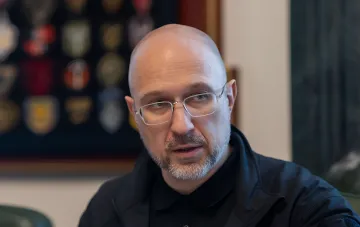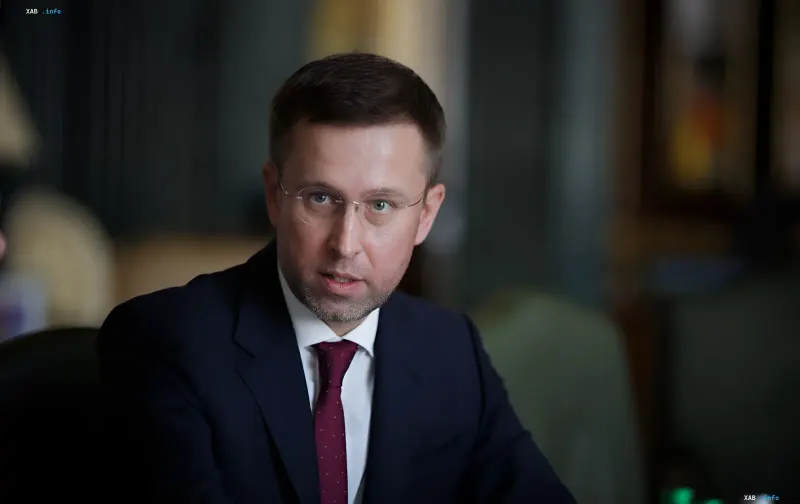
Ukrainian Prime Minister Serhiy Koretsky stated that getting through the upcoming winter is the main challenge facing the Ukrainian government, and that the cabinet is preparing action plans for any possible development of events. He made the statement at the YES Annual Meeting 2026 conference, organized by the Viktor Pinchuk Foundation, RBC-Ukraine reports. According to the head of government, the winter "will be tough," but the country has no other plan for how to get through the heating season with dignity.
Resilience plan and decentralization
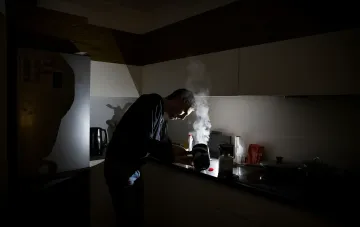
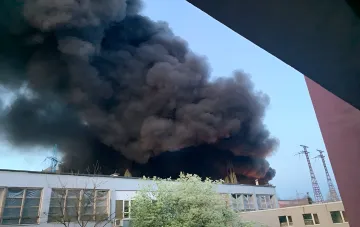
Koretsky emphasized that Ukraine has a resilience plan, is protecting its assets and energy infrastructure, and is preparing decentralized means of ensuring the livelihood of regions, cities, and oblasts. "It is impossible to fully protect everything. That is clear. However, we are significantly better prepared for these attacks than we were last winter," the prime minister noted, adding that the energy sector is under constant enemy shelling. He stressed that the government is working out not only the basic plan but also plans "B" and "C," as well as the "worst of all possible" scenarios, so as not to be caught off guard in any given sector.
Energy funding shortfall
In addition to organizational measures, the question of financing remains key. According to UNIAN, on the eve of winter Koretsky named the amount needed for the energy sector's needs — around 650 million euros. This indicates that even with resilience plans in place, the state faces a substantial financial gap in preparing for the 2026–2027 heating season.
Contradictory data
Assessments of the country's readiness for winter vary depending on the source. On the one hand, the government, through Koretsky, insists that Ukraine is "significantly better prepared" for attacks on the energy sector than during the previous heating season, and that all scenario variants have been worked out. On the other hand, expert assessments, in particular in a Focus publication, point out that despite the billions allocated, some preparation deadlines were missed, and the country is not fully ready for the "toughest winter." Thus, the official rhetoric on readiness and the independent expert picture of preparation for the 2026–2027 heating season do not align, and the actual level of infrastructure resilience will depend on whether the funding shortfall can be closed and the decentralization of energy supply accelerated.
Context: the president's statements
Earlier last week, President Volodymyr Zelenskyy stated that, in his assessment, the war with Russia will continue this winter as well, and called on international partners to help Ukraine prepare for the challenges ahead. At the end of August, the head of state also introduced resilience plans for Ukrainian regions — a set of measures aimed at getting through the upcoming heating season amid Russian aggression. Thus, the positions of the government and the president are in sync: winter is acknowledged as the most difficult period, and preparation for it is a priority of state policy.