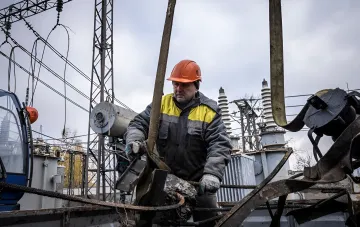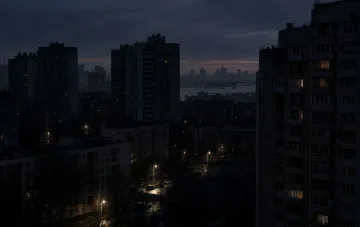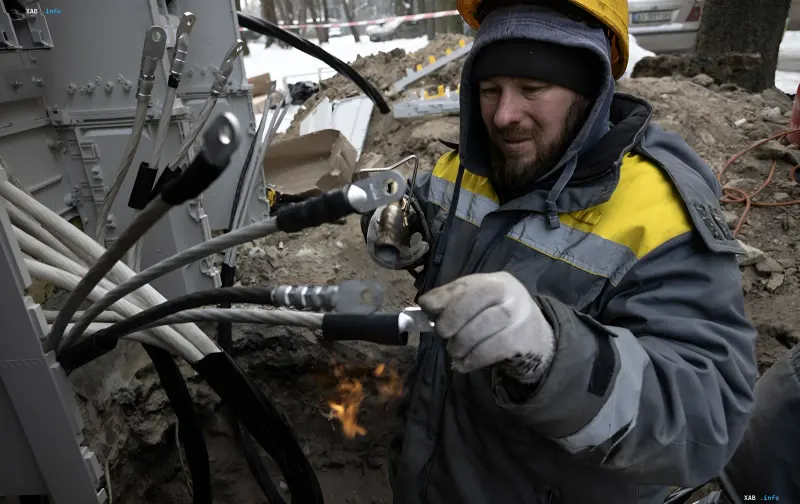
On November 3, as a result of a Russian attack on Kovel, an energy infrastructure facility was hit. According to city authorities, following the strike, the majority of consumers in the city were left without power, and the local water utility was forced to switch to backup power sources. This was reported by Kovel Mayor Ihor Chaika on Facebook, as cited by RBC-Ukraine.
What happened in Kovel
According to the mayor, after the infrastructure facility was hit, the vast majority of Kovel residents were left without electricity. Power engineers, he said, are working to stabilize the power grid as quickly as possible. Emergency services are also working at the scene. The mayor stressed that the situation remains tense and restoration is ongoing as much as possible.
Electricity and water supply
The municipal enterprise «Kovelvodokanal» switched to backup power sources following the strike. As reported by the city, water supply was resumed, but it will last until 23:15. If the electricity situation does not change by morning, water will be supplied on November 4 in the morning from 06:00 to 09:00. The water utility promised to publish a further schedule on its official resources.
Heat supply and emergency services
Despite the large-scale power outage, heat supply in Kovel residents' homes was operating normally at the time of publication. Emergency services continue to operate at the site of the strike's aftermath, and power engineers are carrying out restoration work to return electricity to residents' homes as soon as possible.
Context: not just Kovel
Kovel was not the only city left without electricity after Russian strikes on November 3. In Kyiv, emergency shutdowns were introduced due to damage to regional energy hub facilities. According to capital Mayor Vitali Klitschko, the situation in the city is very difficult: water supply problems arose, and heating points are being deployed in the most affected areas. In the evening of the same day, tram and trolleybus traffic was stopped in Kyiv due to a critical shortage of electricity.