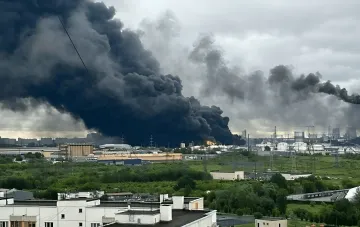
On the night of November 18, 2026, unmanned aerial vehicles launched an attack on Krasnodar Krai, resulting in fires breaking out at two oil refineries simultaneously — the Ilsky and Afipsky plants. The attack on the region continued throughout the night, with local residents reporting a series of explosions and the operation of air defense systems. According to the Ukrainian Telegram channel ASTRA, the first explosions in the region were recorded at approximately 04:40. Both affected facilities are located in the Seversky District — in the settlements of Ilsky and Afipsky, several dozen kilometers from Krasnodar, and are major oil refining facilities in the south of Russia.
Chronology of the Night Attack and Air Defense Data
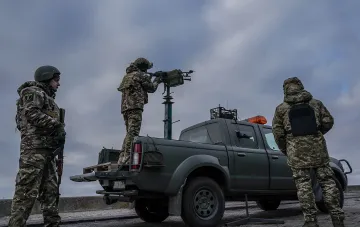
According to information received from local residents, the nighttime attack was prolonged: explosions were recorded for several hours, and Russian air defense forces worked to intercept targets. The Russian Ministry of Defense reported the interception and destruction of 184 fixed-wing Ukrainian drones. According to the ministry's statement, drones were shot down over the Belgorod and Rostov regions, Krasnodar Krai, occupied Crimea, and the waters of the Sea of Azov. Thus, according to the Ministry of Defense version, the bulk of the drones were neutralized before reaching their targets, which, according to Russian authorities, led to consequences on the ground.
Which Enterprises Were Affected
Two major refineries came under attack. The Afipsky Oil Refinery is capable of processing about 6.25 million tons of oil per year and produces gasoline, diesel fuel, fuel oil, and other petroleum products; its output is important for supplying Russia's southern regions and fuel logistics. The design capacity of the Ilsky Refinery is about 6.6 million tons of oil per year — the plant produces automotive gasoline, diesel fuel, kerosene, and other types of fuel. The total design capacity of the two enterprises exceeds 12.8 million tons of oil processing per year, making them important nodes in the country's southern refining infrastructure.
Fires and Divergent Assessments of Damage Character
Reports of fires on the territory of both plants appeared online. Commenting on the incident, the Operational Headquarters stated: «Fires occurred at two enterprises due to falling drone debris». Thus, the Russian side links the fires to the consequences of air defense operations — the falling debris of intercepted drones. Ukrainian publications and the ASTRA channel, in turn, characterize the event as a successful drone attack on two refineries at once. Both sides acknowledge the very fact of the nighttime strike on Krasnodar Krai and that fires broke out at both enterprises; the discrepancy concerns only what specifically caused the fires — a direct hit on targets or the falling debris of downed devices.
Significance of Refineries for Southern Russia Fuel Logistics
Since the Ilsky and Afipsky refineries are among the key oil refining facilities in southern Russia, potential damage to their units could affect fuel production volumes and regional logistics operations. The plants' products supply the southern regions with gasoline, diesel fuel, and kerosene, so even local fires and the forced shutdown of individual processing lines could have a delayed effect on the macro-region's fuel market. The scale of actual damage and the timeline for restoring the enterprises' operations had not been officially disclosed at the time of publication.
Series of Strikes on the Region's Refining Industry
The Ilsky and Afipsky refineries have repeatedly become targets of drone attacks. In particular, on the night of November 6, a fire broke out at the Afipsky enterprise after falling UAV debris. The Ilsky Refinery is also regularly subjected to strikes: on the night of November 16, the General Staff of the Armed Forces of Ukraine confirmed a strike on this enterprise. Thus, the incident on November 18 became a continuation of a series of attacks on the refining infrastructure of Krasnodar Krai over recent weeks.