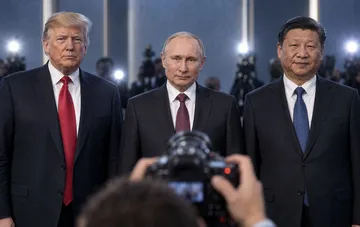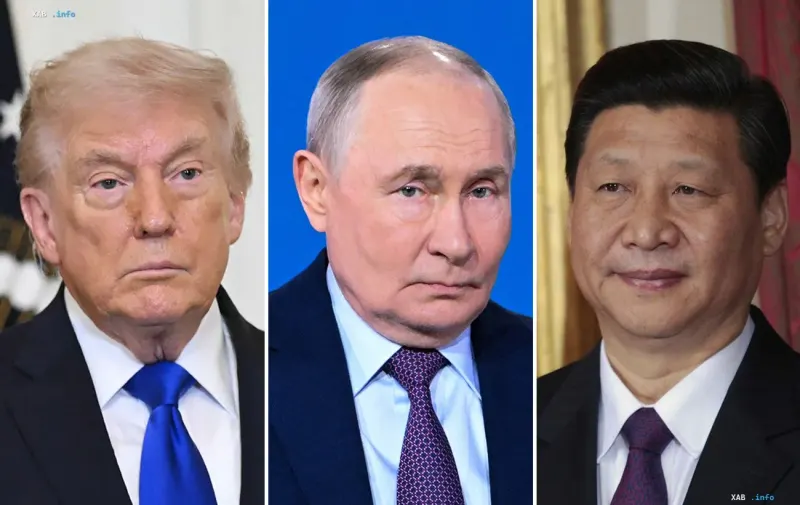
Organizational preparations for a major trilateral summit involving US President Donald Trump, Chinese leader Xi Jinping, and Russian President Vladimir Putin have already entered a practical phase. According to Presidential Aide Yury Ushakov, Moscow, Washington, and Beijing have expressed a fundamental readiness to hold such a high-level meeting on the sidelines of upcoming international events.
Diplomatic Contacts and Summit Schedules
According to the Kremlin representative, the prospect of personal contacts between the leaders of the three world powers is closely tied to the schedule of key international events in the second half of the year. Specifically, the prospects of holding negotiations on the margins of the Asia-Pacific Economic Cooperation summit, scheduled for November 18-19 in Shenzhen, China, are currently being discussed. At the same time, the final decision on further steps will depend on the outcomes of the November discussions.
Furthermore, the Kremlin confirmed receipt of an official invitation to the December G20 summit in Miami, United States. Yury Ushakov noted that the decision regarding Vladimir Putin's trip to this meeting will directly depend on the results of the November APEC summit, emphasizing consistency in shaping the country's leadership schedule.
Moscow's Stance on Settlement Prospects
Commenting on the prospects of the upcoming high-level talks, the Kremlin previously emphasized limited expectations for the first trilateral meeting. According to the Russian side, the summit in Shenzhen alone will not be able to fully resolve the entire range of issues related to the conflict in Ukraine, but it will serve as an important platform for coordinating the positions of leading global players.
Significance of Potential Negotiations
The launch of preparations for the three leaders' summit marks a new stage in the system of global diplomatic interactions between the major economic and political centers of power. A potential meeting in the Putin — Trump — Xi Jinping format could outline the architecture of future international security and trade-economic relations, given the weight of each state in addressing key regional and global crises.