Moscow has commented for the first time on the recent high-profile statement by US leader Donald Trump regarding a supposedly reached agreement between Russia and Ukraine on a so-called energy truce. The official Kremlin reaction followed active discussions among Western and Ukrainian politicians concerning the White House initiative. The situation regarding regional energy security remains tense and requires a detailed analysis of statements from all involved parties.
Kremlin Reaction and Peskov's Statement
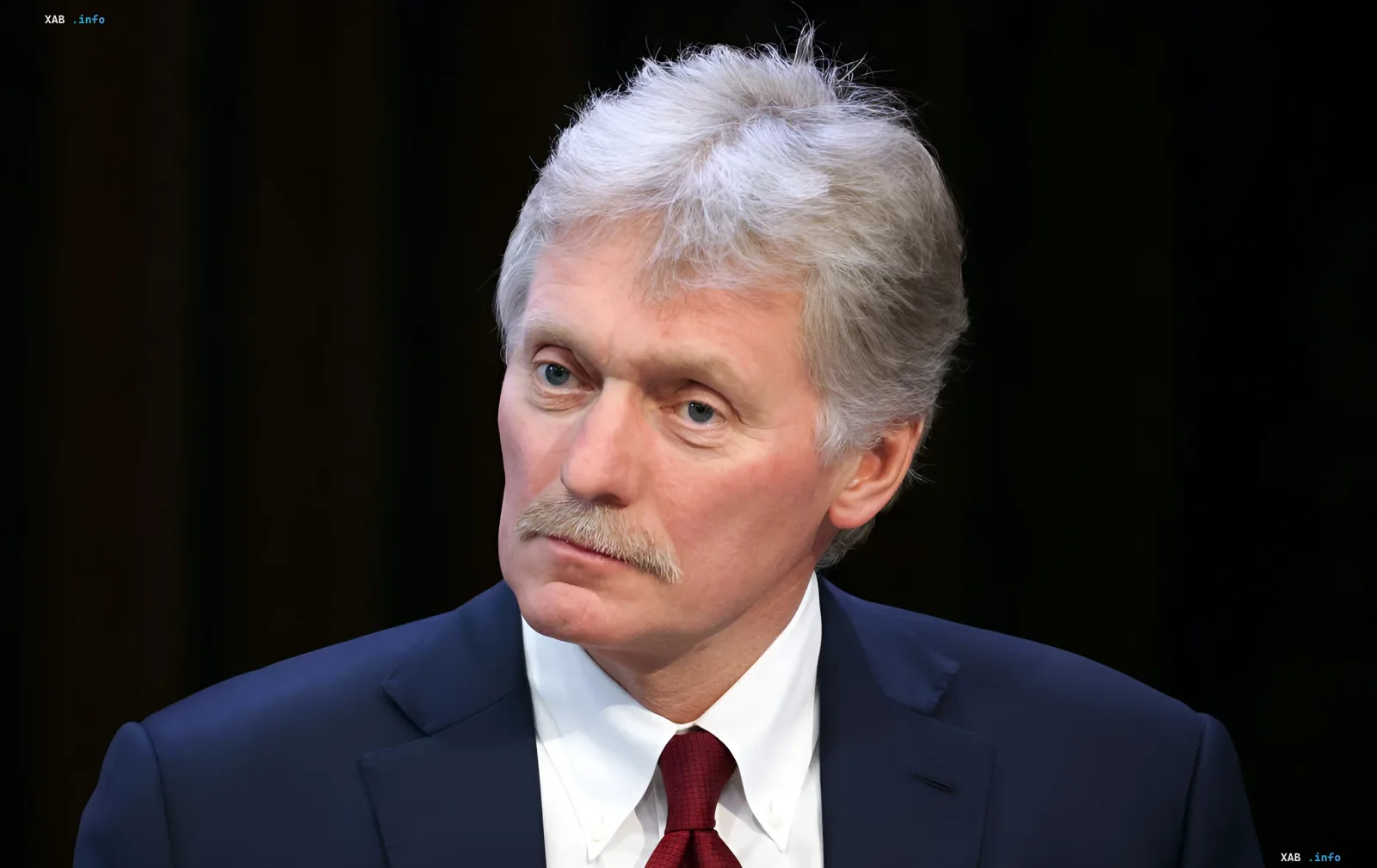
Russian presidential press secretary Dmitry Peskov, answering questions from journalists of the state agency TASS, did not directly confirm or deny the US president's words about a full-fledged deal. The Kremlin representative limited himself to a concise formulation, stating that contacts on this issue are ongoing. At the same time, Peskov refrained from providing any specific details and did not specify whether the parties agreed on actual parameters for halting strikes on critical infrastructure facilities.
Washington and White House Position
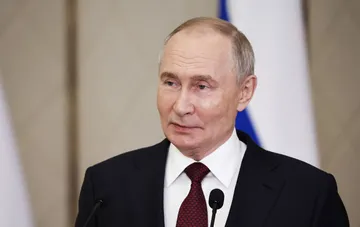
Recall that on October 11, 2026, US President Donald Trump publicly announced the beginning of an "energy truce," claiming that Moscow and Kiev had allegedly agreed to halt mutual strikes on energy facilities. Later, White House representatives made significant clarifications regarding their leader's words. It turned out that Washington initially spoke about a moratorium on strikes exclusively against oil refineries, and only at the next stage was the silence regime planned to be extended to power plants and power grids.
Contradictory Data
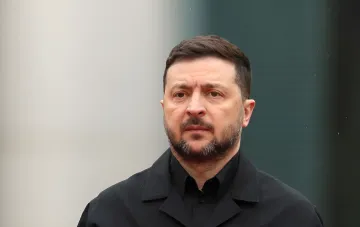
The main stumbling block in this diplomatic intrigue was the diametrically opposed statements from the Ukrainian side. Ukrainian President Volodymyr Zelensky officially denied the existence of any direct or tacit agreements with Moscow on an energy truce. Nevertheless, the Ukrainian leader emphasized Kiev's fundamental readiness to support such an initiative, but solely under the condition of a mirror and strict cessation of attacks by the Russian Federation.
Expert Assessments and Prospects
Experts note that the current situation demonstrates attempts by American diplomacy to act as a mediator in local conflict de-escalation. However, the lack of a single agreed document and different interpretations of conditions in Moscow, Washington, and Kiev leave major doubts about the durability of such a truce. Further developments will depend on the parties' genuine readiness to stop strikes on the energy system ahead of the winter period.