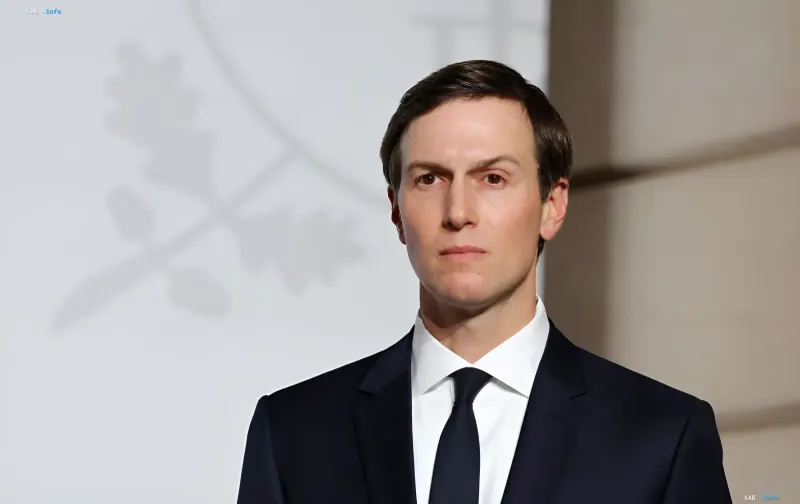
Amid rising tensions in the Middle East and political maneuvering ahead of the elections, the White House is ramping up diplomatic activity. Jared Kushner, the US President's envoy and son-in-law of Donald Trump, is planning to arrive in Israel next week. This is expected to be his first trip to the region since January 2026, a move that in itself signals the critical importance of the current phase of negotiations.
Visit Goal: Disarming HAMAS and a "Technological Government"
The main task of Kushner's mission is to advance the next stage of the White House plan to resolve the situation in the Gaza Strip. According to recent statements by the administration, the focus has shifted to two key points: the complete disarmament of the HAMAS movement and the potential withdrawal of Israeli troops. This step is intended to serve as the foundation for transferring control over the civilian sphere and security to a new Palestinian "technological government," the creation of which Trump announced a couple of weeks ago.
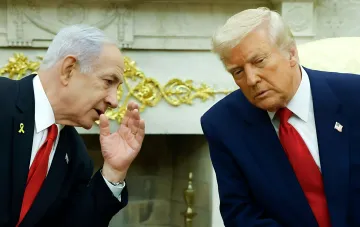
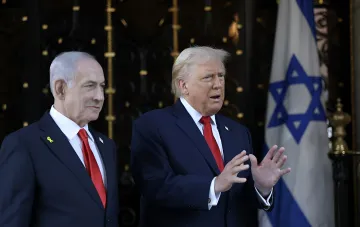
Kushner will not be acting alone. According to Axios, he is accompanied by Nikolay Mladenov, appointed as the "High Representative" of the Peace Council in Gaza. The diplomatic delegation intends to hold a series of meetings with Israeli Prime Minister Benjamin Netanyahu and other senior officials to reach an understanding regarding further actions over the coming months.
Political Deadlock: Elections in Israel vs. US Plan
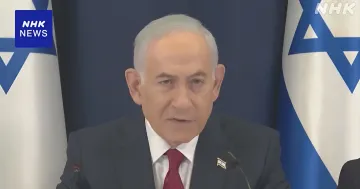
The visit takes place against the backdrop of an extremely delicate political situation in Israel. The upcoming elections in October 2026 make the question of Gaza a minefield for Benjamin Netanyahu. The Israeli government expresses deep skepticism regarding the American plan. Netanyahu, who on Sunday publicly declared the US 15-point peace initiative unacceptable, insists that the withdrawal of Israeli troops is possible only upon the real, not formal, destruction of HAMAS.
However, the US administration has no intention of waiting for the completion of the Israeli electoral cycle. The White House fears that the elections could stall the implementation of the plan. At the same time, Netanyahu is in a difficult position: he does not want to make concessions that could be used against him by opponents in the election campaign, but he also cannot afford open confrontation with President Trump at this critical moment.
Contradictory Data
There is a clear gap between the official position of Israel and the assessments of the US administration. On one hand, Netanyahu declares a firm refusal of the plan, which, in his view, does not guarantee security and does not provide for the complete disarmament of the enemy. On the other hand, US officials interviewed by Axios view these statements as "electioneering" rather than a final definition of Israel's political course. A US representative noted: "We agree on the strategic goal, but Israel has expressed some doubts... we want to negotiate with them to ensure coordination of our actions".
Regional Context and "Peace Council" Strategy
In addition to negotiations in Jerusalem, Jared Kushner may expand the geography of his visit by traveling to other Middle Eastern countries. The goal of these meetings will be to coordinate with regional leaders who play a key role in resolving the Gaza problem. The White House emphasizes that their plan is "better than the alternative" and that they are "in no rush," striving to ensure that every step is weighed. Nevertheless, the time pressure from election cycles in both the US and Israel makes this "lack of rush" a relative factor.