On October 27, 2026, Israel heads to the polls — and this vote is fundamentally different from all previous ones. For the first time since the Hamas terrorist attack on October 7, 2023, following two wars with Iran and amid chronic destabilization across the Middle East, the country is determining who will govern under conditions where, in the prime minister's own words, he must 'live by the sword' for years to come. The question voters must answer is extremely simple: will Benjamin Netanyahu retain power, or will Israel adopt a new political course? The answer will affect not only the domestic architecture of the state, but also the configuration of regional security, including direct consequences for Ukraine.
Internal Political Crisis: From the 'Death Zone' to Storming Draft Centers
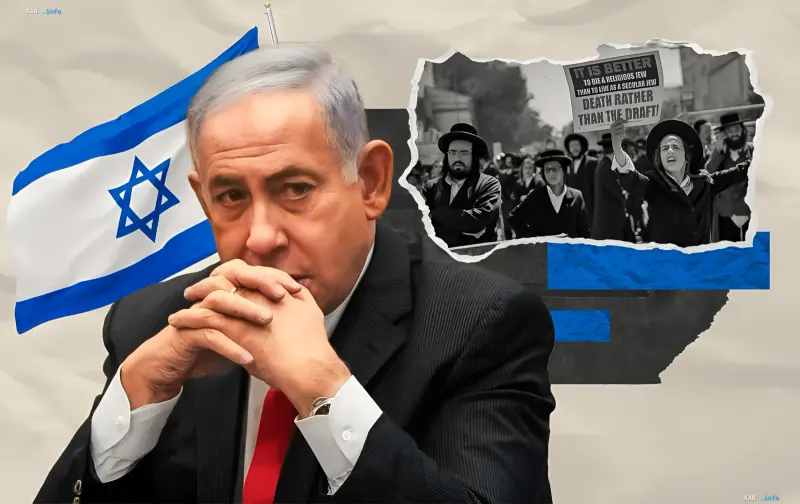
The atmosphere approaching the election is characterized by extreme polarization. This has been most vividly demonstrated in a series of incidents involving Haredim — ultra-Orthodox Jews who traditionally refuse military service. Crowds of men in dark suits blocked strategic highways, halted public transport, and hurled stones and bottles at police patrols and convoy vehicles. Moments later, protesters stormed government draft centers, trying by force to free detained draft dodgers. Orders to disperse were ignored: the crowd chanted slogans about a 'death zone' and refusing to submit to the state apparatus. To restore order, authorities had to deploy special forces, water cannons, and flash-bang grenades.
Against this backdrop, the country's leader publicly stated that the state 'must become a fortress' — hermetically sealing all borders, relying exclusively on its own strength, and preparing for a multi-year confrontation. This rhetoric serves both as an election campaign stance and as a reflection of a society split into groups based on religiosity, attitude toward the state, and loyalty to specific leaders.
Coalition vs. United Opposition: Who is Voting for Whom
The Israeli political system is structured so that virtually every Knesset is formed from broad coalitions. In the current parliament, 12 political forces are represented across 120 mandates, which is considered the norm. In the upcoming elections, about a dozen parties have a chance to enter parliament, having already divided into two camps.
The incumbent coalition led by Netanyahu’s Likud includes right-wing and religious parties: Shas, United Torah Judaism, Otzma Yehudit, and Religious Zionism – Zehut, which is on the verge of the electoral threshold. Opposing the government is a united opposition of four disparate forces: the 'Together' alliance (Naftali Bennett and Yair Lapid), the right-wing secular Yisrael Beiteinu, Gadi Eisenkot’s centrist 'Yashar', and the center-left 'Democrats' party. As local political circles note, ideological divisions in Israel are conditional: 'Whoever talks about the economy is left-wing. And whoever talks about security is right-wing.'
Security and Regional Policy: Where the Real Differences Lie
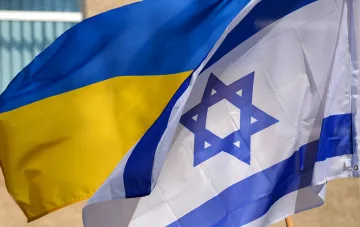
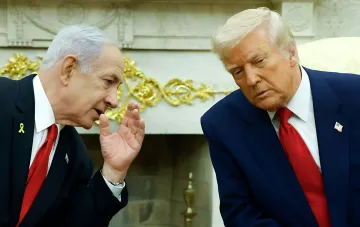
For many years, especially after October 7, 2023, Netanyahu pursued a hardline policy against Iran and its allies. However, according to a number of observers, these efforts were half-measures, and a series of strategic miscalculations led to deteriorated relations with Europe and a partial political dependence of Israel on the US. As for Ukraine, the current prime minister maintains a restrained policy of equidistant neutrality between Kyiv and Moscow.
On a declarative level, the opposition takes a more pro-Ukrainian stance than the coalition parties. At the same time, according to an RBC-Ukraine source, on security issues — Iran, Hamas — the opposition's rhetoric may differ slightly from Netanyahu's line, but there is no fundamental difference. Thus, the key divergence between the camps shifts from foreign policy to domestic affairs: resource distribution, the role of religion in the state, conscription, and the model of society.
Why This Matters for Ukraine and Global Security
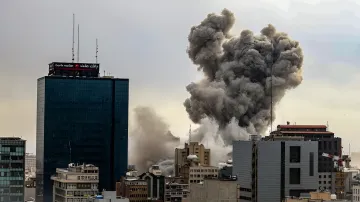
The impact of Israeli politics on global processes was clearly demonstrated last winter: as a result of the US and Israeli war with Iran, fuel prices are still breaking records, and the task of finding new interceptors for Patriot systems is becoming increasingly difficult. Israel is a parliamentary republic, and it is the results of the Knesset elections that will determine who forms the executive branch and sets the country's political course. In conditions where the region remains chronically unstable, a change or preservation of the government in Jerusalem could either stabilize or exacerbate the situation in the Middle East, which will inevitably affect energy markets, defense budgets, and diplomatic alignments, including Ukraine's position.