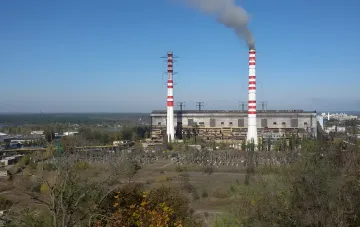

On the night of August 20, 2026, Kyiv and the Kyiv region came under a combined attack using ballistic missiles, cruise missiles, and unmanned aerial vehicles. According to official data, the strikes hit the capital and Brovary, resulting in damage to residential buildings, warehouses, and critical infrastructure facilities. The most extensive consequences were recorded in the energy sector: power supply facilities in Kyiv's Svytoshyn and Solomian districts, as well as in the Brovary community, suffered accidents, causing mass power outages for consumers.
Scale of Power Outages and Emergency Crew Operations
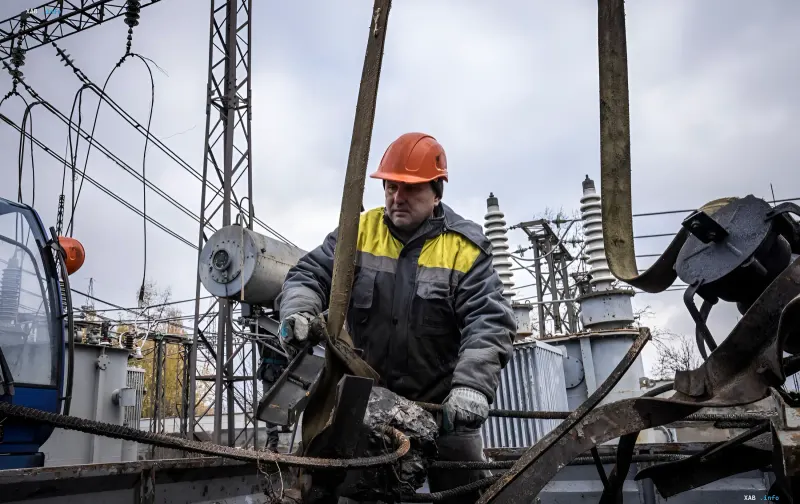
As of the morning of August 20, DTEK reported that around 40,000 homes in Kyiv were left without electricity due to damage to energy infrastructure. At the same time, emergency crews from DTEK Kyiv Power Grids and Ukrenergo specialists switched to backup power supply schemes, which allowed power to be restored to approximately 50,000 households. The company emphasized that repairs to damaged equipment will begin as soon as military and rescue services permit access to areas with debris and hazardous zones.
Timeline of Events and Localization of Accidents
The attack was recorded during the night hours of August 20. Following the fall of debris and direct hits on infrastructure facilities in Kyiv's Svytoshyn and Solomian districts, entire blocks were disconnected from the power grid. In parallel, an accident at power supply facilities was recorded in the Brovary community, leading to local outages. Municipal services and DTEK emergency crews are operating in a heightened state of readiness, sequentially powering facilities via backup lines and assessing the extent of damage to plan major repairs.
Contradictory Data
Open sources show significant discrepancies in the figures for casualties and fatalities: some reports indicate 4 killed and 23 injured, while others cite 27 killed and over 90 injured. According to fact-checking results, this discrepancy is caused by the mixing of data from different incidents: some aggregators provide cumulative or historical all-Ukrainian data on large-scale attacks, whereas the operational report from Kyiv's emergency services for August 20 concerns directly the local destruction and casualties in the capital. Accordingly, in this article, data on human losses are provided strictly according to the local operational report of the Kyiv City State Administration and the State Emergency Service of Ukraine for the specific day, without drawing on background statistics.
Authorities' Response and Recovery Plans
The Kyiv city administration and energy companies confirmed the scale of the outages and stated that restoring power to residential blocks and socially significant facilities is a priority. Repairs to damaged equipment will be carried out in stages: first, ensuring the safety of work zones by military and rescue forces, then connecting backup lines and restoring main power lines. Energy workers warn that full restoration of normal power supply will take several days depending on the nature of the damage.
Context and Situation Assessment
The night attack on August 20 was yet another blow to Kyiv's energy infrastructure amid the ongoing conflict. The switch to backup power supply schemes demonstrates the power system's readiness for rapid response; however, the mass power outage affecting around 40,000 homes indicates the severity of the damage. Experts note that the key factor in recovery is the speed of clearing the aftermath of destruction and ensuring the safety of work zones, which directly depends on the coordination of military, rescue, and municipal services.