Having a generator in a country house is no longer a guarantee of a comfortable winter. Given regular and prolonged power outages, tenants need to carry out a full technical inspection of the property even before paying the deposit. This was stated in a comment to RBC-Ukraine by Alexander Kolesnichenko, an expert in the technical inspection of buildings and structures and founder of GlobalBud Ukraine. In his words, it is the engineering systems, rather than the appearance and the state of cosmetic repairs, that determine the autonomy and safety of living in the cold.
Simulating a Power Outage: The Key Test Before the Deposit
The expert's key recommendation is to run a 20–30-minute simulation of a complete cut-off of the central power supply right before handing over the rental deposit. During this test, you need to check the operation of the backup power, heating, water supply, sewage, lighting, and communication devices. Kolesnichenko stresses that the well pump and the gas boiler must be permanently connected to a backup energy source. If heat circulation or water supply stops when the grid is cut off, the house risks freezing on a cold night, and the tenant may be left without water and heat for an indefinite period.
A Seven-Point Checklist: From the Well to the Attic
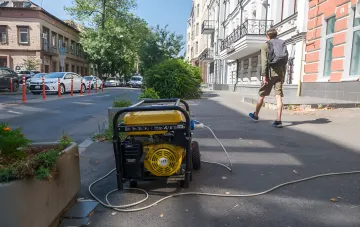
The expert has developed a detailed technical checklist that a tenant should go through before signing the contract. It includes: checking the condition of the well, filters, and the date of the last septic tank pumping; a test run of the boiler together with the pumps and automation; testing the generator or battery packs under load with mandatory permanent integration into the electrical panel (no extension cords); inspecting windows, doors, and mounting seams for drafts and condensation; assessing the basement for suitability as a shelter (strength of the floor slab and the presence of a second emergency exit); inspecting the basement and attic for cracks, dampness, mold, and roof leaks; and clarifying logistics — the proximity of shops, pharmacies, gas stations, and responsibility for clearing access roads of snow.
Hidden Defects Masked by Fresh Renovations
The condition of the basement and attic deserves separate attention. According to Kolesnichenko, it is precisely these rooms that reveal a failing roof or chronic freezing of the walls, which owners often try to hide under a layer of fresh cosmetic repairs. Cracks in the floor slabs, traces of mold, and condensation on the walls are signals that the house will not withstand prolonged frosts without significant repair costs that a tenant cannot reasonably bear on their own.
Safety and Winter Infrastructure
The basement may be used as a storage space or a temporary shelter only if there is a strong floor slab and a mandatory second emergency exit. In addition, before moving in, you need to clarify who is responsible for regularly clearing access roads of snow and how accessible basic services — pharmacies, shops, and gas stations — really are in the conditions of winter blizzards and closed roads.