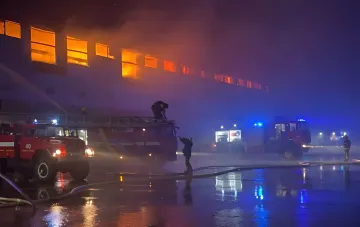
The escalation of Russian attacks on the infrastructure of the Ukrainian capital threatens a large-scale transport collapse. Key crossings over the Dnipro River connecting the left and right banks of Kyiv have become the focus of strikes, directly impacting the logistics of millions of residents and the functioning of the city's economy.
Chronology of Strikes on Kyiv Bridges
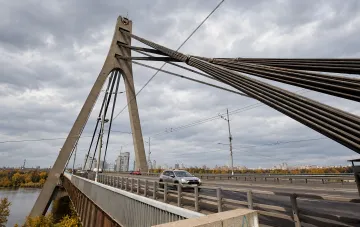
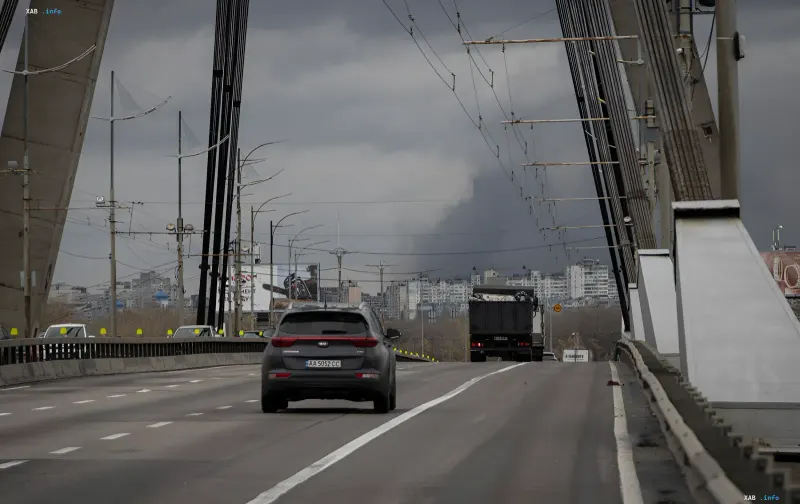
On Saturday, October 3, 2026, another strike hit the city's Northern Bridge. According to official information from Mayor Vitali Klitschko, the attack damaged the road surface and trolleybus overhead wires, injuring two people. Earlier, on Thursday and Friday, the Southern Bridge experienced similar strikes. Due to damage, transport traffic was temporarily halted, resulting in massive traffic jams and forcing citizens to cross the bridge on foot.
Strategic Consequences for the Capital
The Dnipro River divides Ukraine and Kyiv itself into two parts, and the bridges across it ensure not only passenger traffic but also the delivery of food, equipment, and humanitarian supplies. Western publications, notably The New York Times and The Washington Post, note that such tactics may be aimed at destabilizing life in the city ahead of the winter period. Constant bombardment could damage the supporting structures of the crossings, forcing authorities to close them indefinitely to avoid collapse.
Contradictory Data
In covering the events surrounding Kyiv's bridges, noticeable discrepancies exist in the assessments of strike impacts between Ukrainian, Western, and Russian sources. While official Ukrainian authorities and local media report targeted damage to the roadbed and wires with prompt restoration of traffic, Russian resources claim critical infrastructure destruction and the loss of key Armed Forces supply routes. Western press focuses on long-term humanitarian risks and the threat of a winter logistic crisis.
Expert Assessments and Next Steps
Experts agree that Kyiv has virtually no alternative transport options if the main bridges fail. The situation is complicated by statements from the Russian Foreign Ministry regarding the continuation of the military campaign against Ukrainian cities and calls for foreign diplomats to leave the capital, escalating tensions further.