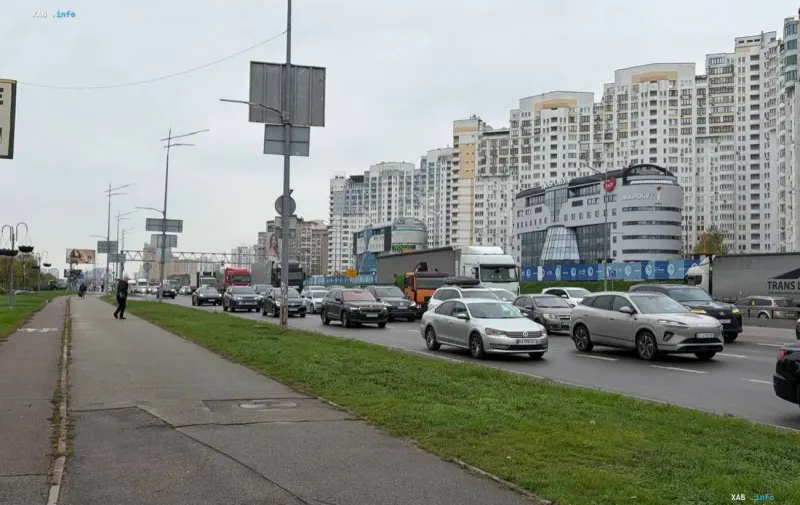
On the morning of Thursday, October 29, 2026, Kyiv faced massive traffic congestion that paralyzed movement on both banks of the Dnipro River. The most severe traffic situation was recorded on the main thoroughfares leading to bridge crossings toward the city center. The transport crisis caused a sharp surge in demand for travel services and significantly increased travel times for thousands of residents.
Aftermath of the Southern Bridge Closure
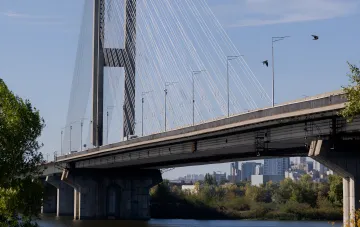
The primary cause of the severe transportation problems in the Ukrainian capital was a traffic restriction implemented due to an emergency situation. The Southern Bridge in Kyiv has remained completely blocked for the third consecutive day. The overpass was closed to traffic following a nighttime missile strike carried out by Russian forces on the night of October 27.
Due to the closure of this key crossing, motorists and public transport passengers have been deprived of their usual routes between the left and right banks. On social media, capital residents have been widely sharing footage of people attempting to reach the right bank on foot or using electric scooters to bypass multi-kilometer vehicle queues.
Taxi Market Reaction and Fare Increases
Against the backdrop of the acute transport crisis, ride-hailing services and taxi companies recorded a sharp increase in trip costs. During the morning rush hour, fares for traveling between districts rose significantly due to high demand and a shortage of available vehicles on the road.
According to service estimates, a trip from the Left Bank to the city center, such as the route from Osokorky metro station to Independence Square, costs passengers a considerable amount. Drivers and passengers are forced to spend hours stuck in traffic jams on the approaches to bridges and in central districts.
Prospects for Transport Network Stabilization
The traffic situation in Kyiv remains critical and directly depends on the timeline for addressing the aftermath of the missile strike on the Southern Bridge infrastructure. Relevant municipal services must conduct restoration work and inspect the overpass structures before traffic can resume normally.
Until restoration work is completed, capital residents are advised to plan trips in advance, allocate extra time for travel, or prefer underground transit, which operates without delays. City authorities urge drivers to refrain from using private vehicles unless absolutely necessary.