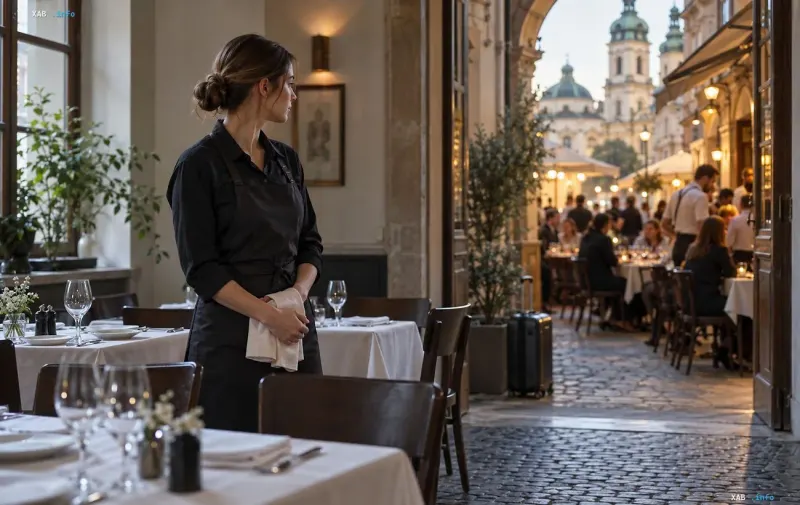
The Ukrainian restaurant market is showing contrasting trends amid ongoing large-scale security threats across the country. Attendance at public catering establishments in the capital has decreased by an average of 25–30%, while Lviv and several other western regions are recording a significant increase in guest traffic reaching 20% or more.
The impact of the security situation on Kyiv catering
According to restaurant expert Olha Nasonova, the scale of the decline in Kyiv directly depends on the location of a specific business. The most serious outflow of clients has been recorded in areas with regular shelling consequences, such as Lukianivka, as well as in shopping and entertainment centers, where attendance drops have sometimes reached 50%. At the same time, some capital establishments have managed to maintain their previous figures due to a loyal audience and a favorable location in residential areas.
An additional factor in revenue decline has been mandatory compliance with safety rules during air raid alerts. Frequent closures of establishments at the time an alert is announced force visitors to change their habits and subsequently choose other leisure locations, even if the previous place has already resumed operations after the all-clear.
Regional contrasts: growth in Lviv and decline in Dnipro
Dynamics in other major Ukrainian cities also reflect the general migration and economic moods of the population. In Dnipro, public catering establishments have lost about 30% of their usual audience due to the difficult situation in the region. In Odesa, the drop was less noticeable, but the general trend toward consumer caution remains.
A completely different picture is observed in Lviv, where restaurateurs note an influx of guests. According to experts, visitor traffic increased by 20% or more due to internal refugees who arrived from Kyiv, Dnipro, and other front-line cities. Similar demand growth is recorded in a number of other settlements in western Ukraine.
New business operation rules during air raid alerts
The situation in the industry is largely regulated by new state security standards introduced in the fall. In particular, in the event of a strike drone threat, a yellow alert level is declared, during which business owners can independently decide whether to continue operations. In the event of a missile threat, a red level is introduced, mandating the mandatory closure of all commercial facilities.
In addition, new requirements come into force on December 4, according to which establishments are prohibited from operating during a yellow alert if they do not have a specialized safe space, their own reliable shelter, or an officially executed agreement for the use of a nearby bomb shelter. This innovation could further reshape the market and affect the financial results of the restaurant business.