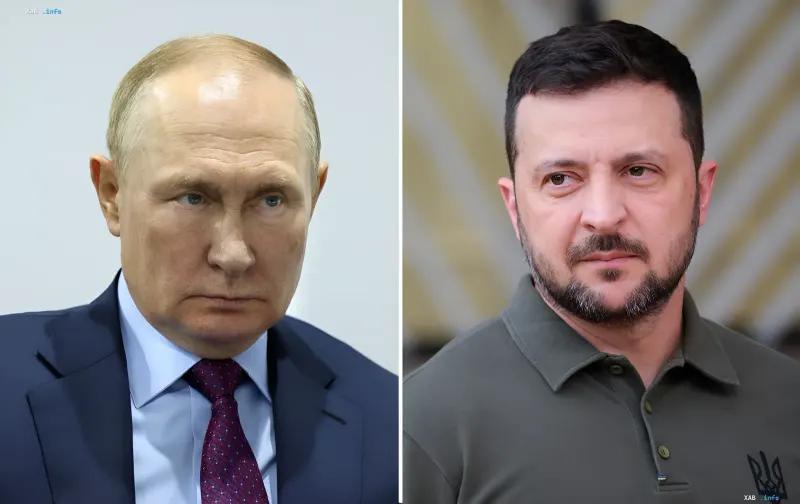
On August 13, 2026, news emerged of a new diplomatic initiative from Kyiv aimed at de-escalating tensions in the Black Sea region. Ukraine, through an intermediary, conveyed a proposal to Russia for a mutual cessation of attacks on civilian objects within the sea's waters. The initiative, reported by Sky News citing sources in Kyiv, has not yet received an official response from Moscow. This proposal arises amidst mutual accusations of violating the rules of warfare and threats to global food security.
The essence of the proposal and the reaction of the parties
The Ukrainian side proposed an informal agreement with Russia to cease strikes against civilian vessels, port infrastructure, and logistical chains related to grain exports. According to sources, the initiative was conveyed through a neutral state, whose name is currently undisclosed. Kyiv hopes that such a decision will help stabilize the situation in the Black Sea and reduce risks for the global food market. However, Moscow has not yet commented on the received proposal. The Kremlin traditionally avoids public comments on such issues until internal consultations are completed.
Context: mutual accusations and threats to food security
Kyiv's proposal came against a backdrop of escalating mutual accusations. Both sides claim that the opponent is violating the rules of warfare by attacking civilian objects. Specifically, Ukraine accuses Russia of striking grain convoys, while Russia accuses Ukraine of attacking its ports and tankers. Experts note that such actions could lead to a sharp rise in global food prices, especially in countries in the Middle East and Africa that depend on Ukrainian grain imports. It is precisely this aspect that became the key argument in favor of Kyiv's initiative.
Pressure from the US and the role of international mediators
Parallel to the Ukrainian initiative, Washington is attempting to influence Kyiv by calling for a reduction in strikes on Russian ports. As military analyst Robert Clark stated, the US is "trying to exert certain pressure on Ukraine" to reduce its activity in the Black Sea. Furthermore, US Vice President JD Vance personally appealed to Volodymyr Zelenskyy to cease drone strikes on non-Russian tankers, which, according to Washington, could provoke an escalation of the conflict. These steps indicate that the US is interested in reducing tensions but is not ready to fully support Ukraine's strategy in the region.
Contradictory data
There are discrepancies in the assessment of the situation. On one hand, Ukrainian sources claim that their proposal for a moratorium is voluntary and dictated by concern for global food security. On the other hand, Russian officials state that Kyiv is using this initiative as a way to slow down military operations and gain a respite. Additionally, there are contradictions regarding dates: some sources indicate the proposal was conveyed on August 10, while others say August 12. It is also unclear which specific intermediary participated in the negotiations, creating room for speculation.
Prospects and possible consequences
If Moscow agrees to Kyiv's proposal, it could become the first step toward a broader dialogue on the rules of warfare in the Black Sea. However, given the current tension and lack of trust between the parties, the likelihood of implementing the initiative remains low. In any case, even if an agreement is not reached, the mere fact of the proposal could be used by Ukraine to improve its image on the international stage. For Russia, a refusal to respond could be perceived as a demonstration of firmness, but also as a missed opportunity to reduce international pressure.