The Kyiv City State Administration (KCSA) has officially announced the optimization of the operations of the capital's Centers for the Provision of Administrative Services (TsNAP) and social institutions amid regular air threats. This was reported on September 14, 2026, by the KCSA press service, citing data from the Department for the Provision of Administrative Services. The changes concern the procedure for serving citizens when air alerts of two levels — 'yellow' and 'red' — are declared, and are aimed at ensuring the availability of key state services even under heightened danger.
'Yellow' Alert: Some TsNAPs Continue to Serve
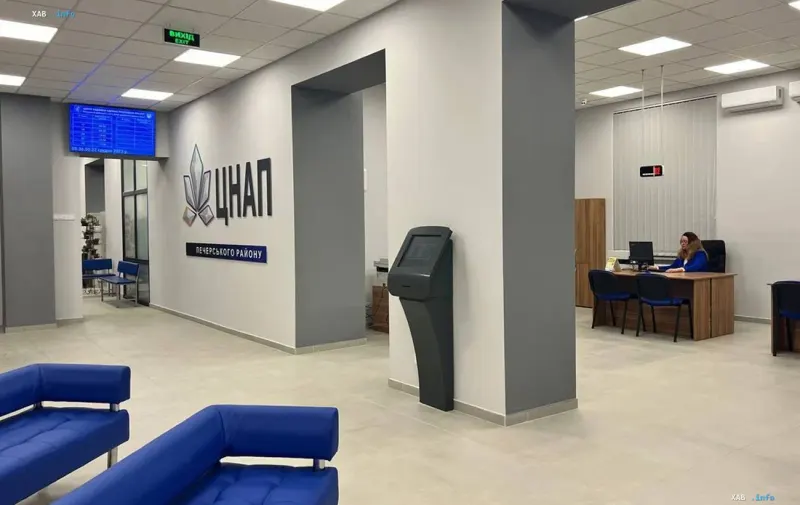
According to the KCSA's clarification, during a 'yellow' level air alert, those TsNAP branches that have equipped underground facilities do not stop serving citizens. The presence of protected shelters is the key criterion: such centers continue to receive visitors in safe premises. A separate category is the centers in Kyiv's Solomianskyi district, which during a 'yellow' threat level switch to a mode of operation exclusively by prior appointment. This allows reducing the concentration of people in one place and minimizing risks.
When Service Is Fully Suspended
The KCSA also listed the branches that stop serving citizens both during a 'yellow' and a 'red' alert. These include TsNAPs that lack underground shelters or sufficient protection of their premises. In the event of a 'red' threat level, all institutions without exception listed in the administration's order cease operations. Thus, a 'red' alert means a full stop mode for the capital's administrative and social services.
Social Institutions: Rehabilitation Centers and the Pension Fund
The KCSA Department of Social and Veterans' Policy separately defined the operating procedure for social institutions. City rehabilitation centers for children and persons with disabilities continue to provide services in full scope under the normal regime; however, during any level of alert, all classes and procedures are moved to shelters. The Management of the Pension Fund of Ukraine and the district social protection offices, by contrast, suspend the reception of visitors at any level of air threat. 'In the event of a declared threat, people in the premises must move to the nearest shelter, and the provision of consultations is temporarily suspended,' the KCSA clarified.
Contradictory Data
In the materials provided by the KCSA, the specific lists of TsNAP branches that continue operating during a 'yellow' alert, those operating by appointment in the Solomianskyi district, and those fully suspending service are not disclosed in the publication text as a list of addresses — they were presumably presented as insets or graphic blocks on the administration's website. This creates a discrepancy: the reader learns of the existence of three categories of centers but does not receive a complete list in a single text. To clarify the current list of operating branches, the KCSA recommends consulting the official channels of the Department for the Provision of Administrative Services. In addition, in TSN publications dated September 10, 2026, the new rules are introduced as taking effect from that date, whereas the RBC-Ukraine article, dated September 14, presents them as an already optimized and established procedure — the difference in emphasis (introduction vs. operation) is not a factual contradiction but reflects different stages of adaptation.
Authorities' Recommendations and Context
In conclusion, the KCSA urged Kyiv residents and guests of the capital to take the new procedure into account when planning visits to TsNAPs and social institutions: check the operating hours of a specific branch before departure and, where possible, use prior appointment. The reminder that 21 ground transport routes linking the right and left banks are operating in the city, as well as the shortening of the curfew duration in a number of Ukrainian regions following government recommendations, underscores the systemic nature of the adaptation of the city's infrastructure to the conditions of regular air threats.