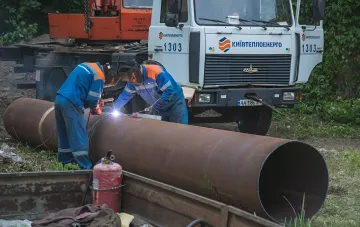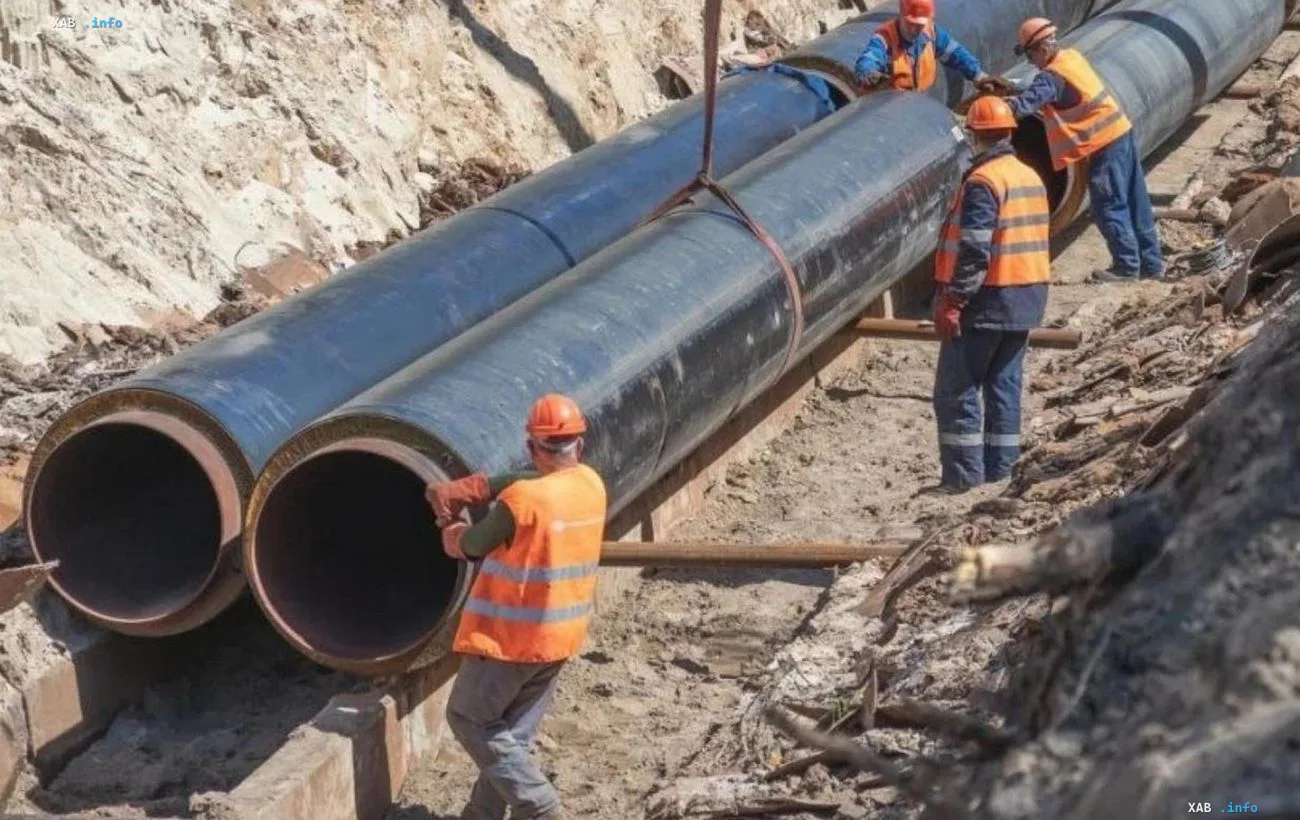
In Kyiv, amid ongoing public debate over the construction of a backup heat pipeline in the Teremky-1 and Teremky-2 residential districts, acting First Deputy Head of the Kyiv City Council (KCCA) Pyotr Panteleev stated that work on laying the mainline had been forced to halt for a month and a half in order to coordinate the project with local activists. During this period, around ten open-format meetings were held, at which scientists and experts were brought in to seek alternative solutions. According to Panteleev, the community's initial request to preserve the trees was fulfilled: if the original project version provided for the removal of up to 200 green plantings, the optimized version now involves only five to ten trees. At the same time, the KCCA claims that since work resumed, not a single green planting has been damaged.
Critically Compressed Deadlines and Threat to Winter Heating
The main problem highlighted by the KCCA is the extremely tight deadline for completing construction. Panteleev emphasized that almost two months have already been lost, and the state enterprise 'Kyivteploenergo' is obliged to continue work in order to finish laying the pipeline before the start of the heating season. In the previous heating cycle, serious problems with heat supply were recorded in Teremky: after massive shelling, residents of the district were left without heat for a prolonged period. The backup heat pipeline currently being laid is designed to ensure stable heat supply to nearly 200 residential buildings and other structures in the event of damage to the TEC-5 power plant. According to KCCA data, the project covers more than 200,000 residents of the Holosiivskyi district.
Project Is Not Linked to Commercial Construction
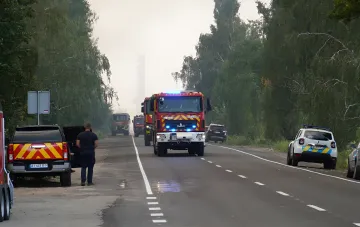
The KCCA separately stressed that the project being implemented has passed state expertise and is one of the elements of the city's energy resilience plan. Panteleev stated that the heat pipeline is not connected to any commercial project or housing construction. At the construction site, law enforcement agencies and the municipal enterprise 'Municipal Guard' are currently working, ensuring public order and enhanced security requirements. The KCCA declared its readiness to 'argue the project in detail' and expects a constructive approach from the residents' activist group.
Contradictory Data
There are discrepancies between the KCCA's statements and reports from a number of media outlets at the scene. On the one hand, Pyotr Panteleev claims that since work resumed, not a single green planting has been damaged and that no tree felling is being carried out. On the other hand, on September 21, 2026, reports of an alleged resumption of tree felling for the laying of the heat network were recorded in the Teremky area. In addition, the initial version of the KCCA's statement mentions a range of '5–10 trees,' whereas in a number of publications citing the same KCCA representatives, the specific figure of '10 trees' is given. These inconsistencies require additional factual verification on the ground.
Context: Why the Dispute Is Not Subsiding
The conflict over the heat pipeline in Teremky has become one of the most resonant examples of a clash between environmental activism and infrastructure necessity in wartime conditions. The residents of the district, who in the previous heating season experienced multi-day heat outages after strikes on energy facilities, in theory should be the main beneficiaries of the backup mainline. Yet it is precisely they who are initiating the preservation of the green fund, which, in their view, is an integral part of the quality of life in a residential district. The KCCA insists that the optimized project already takes these requirements into account, and that any further blocking of the work creates a real risk to winter heat supply for tens of thousands of people.