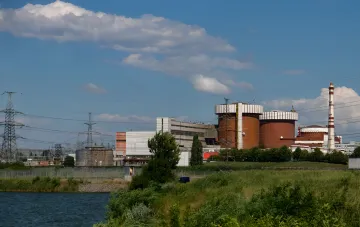
On November 5, 2026, water supply disruptions were reported in all districts of Kyiv due to emergency power outages at Kyivvodokanal facilities. A similar situation occurred on Tuesday, November 3. According to Oleksandr Kharchenko, Director of the Energy Research Center, who commented on the situation to RBC-Ukraine, the main reason lies in the water supply system's physical dependence on electricity: powerful pumps move water through the pipes, and without the main power supply, they are unable to lift water to upper floors. Faced with power outages, Kyiv residents effectively lose water simultaneously—and this is not a malfunction, but a systemic consequence of attacks on the capital's energy infrastructure.
Why water disappears with power
Water and heating systems are critically dependent on electricity because water distribution is handled by high-consumption pumps. In emergency outage zones, Kyivvodokanal pumps do not receive sufficient electricity, leading to water supply restrictions. The situation with heating is slightly simpler: it requires less electrical power and has more backup capacity, allowing the heating grid to last longer than the water network. This is precisely why water is the first to "disappear" during blackouts, rather than heating.
What generators actually do — and what they cannot
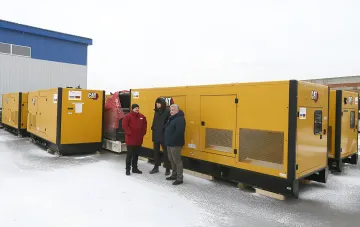
Kyivvodokanal facilities have powerful base backup power, but its function is singular and critical: to keep water in pipes and reservoirs, preventing it from draining back naturally. As Kharchenko explained, if the water drains, refilling the water lines and delivering it to homes would take three to four days. The scale of backup energy consumption is enormous: one diesel power plant at a pumping station consumes about 1,200 liters of diesel fuel per hour. Even at this level, there is insufficient power to fully supply water to upper floors without the main electrical grid, so water supply breaks persist until the main networks are restored.
Scale of the reserve and timelines for a solution
According to acting First Deputy Head of the Kyiv City State Administration Petro Panteleiev, the city has formed a reserve of about 700 generators at heat and water supply facilities and equipped 155 pump rooms (byuvets) with generators. These units can support boiler houses, heating points, and local pumping stations, but their capacity is insufficient for the key water utility infrastructure. Separate diesel power plants or cogeneration units must be built for them: according to city authorities, Kyiv plans to provide an additional 40 MW of power to support water supply during power outages. Some projects under the Energy Resilience Plan have already been implemented, and the city intends to complete the rest by the end of the year. The government, in turn, announced the delivery of 10 additional generators to Kyiv to support the water utility's operations. However, as Kharchenko emphasizes, expanding backup capacities for rotational water supply during blackouts is hindered by equipment delivery delays: "I don't think this system will be operational before the second half of December or early January. The necessary equipment is currently en route, but unfortunately, delivery times are very long."
What Kyiv residents should do now
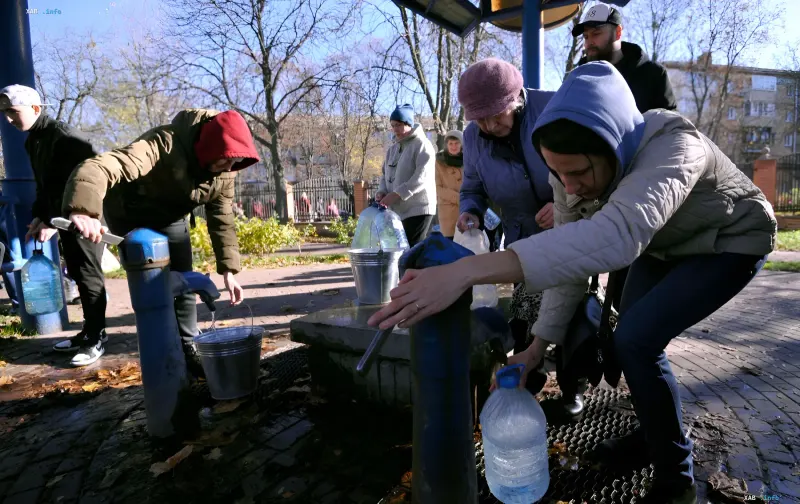
Until backup power stations are operational, water supply disruptions will continue during power outages until the main networks are restored. Kyivvodokanal reminds residents that they can collect drinking water at pump rooms (byuvets) operating in various districts of the city; addresses of the nearest complexes are available on the Kyivvodfond utility map. Thus, in the coming weeks, the city will have to rely on rotational water supply and the deployed network of pump rooms until additional backup power sources are completed and commissioned.