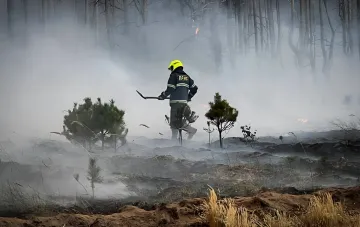
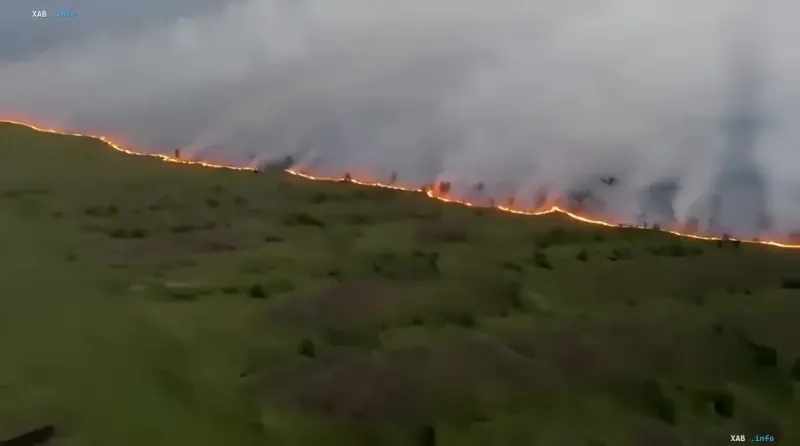
On August 16, 2026, Belgium continues to battle a massive wildfire that has become the largest in the country's history. The fire, which broke out on August 14 in the High Fens nature reserve in the east of the country, has already engulfed more than 3,000 hectares of territory — more than double the previous record set in 2011, when approximately 1,400 hectares of forest and natural land were destroyed.
International Assistance and Extinguishing Efforts
Hundreds of firefighters from Belgium, Germany, and Luxembourg have been mobilized to extinguish the fire. Military personnel and local farmers have also been recruited for the work. On August 15, the European Union sent three helicopters and two fire-fighting aircraft to Belgium following Brussels' request for urgent assistance. Despite extensive efforts, the fire continues to spread, particularly towards the German border.
Threat to Border Areas and Evacuation
Authorities in the German town of Monschau, located near the Belgian border, stated that the fire has not yet crossed into German territory. However, the area is at serious risk due to thick smoke reaching residential zones. Residents of border areas have been advised to leave their homes until the situation stabilizes. In Belgium, the defense line protecting populated areas remains in place, and evacuated residents are still not allowed to return home.
Climatic Context and Scientific Warnings
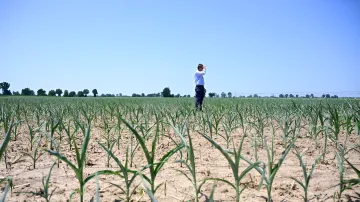
The fires occurred against the backdrop of the fifth heatwave of the summer, which has affected Belgium and many other European countries. Scientists emphasize that anthropogenic climate change increases the likelihood of extremely hot and dry weather, which directly influences the frequency, intensity, and duration of wildfires. Experts warn that such catastrophes could become the norm in the coming decades without radical measures to reduce greenhouse gas emissions.
Contradictory Data
There are discrepancies in estimates of the burned area. According to the European Forest Fire Information System (EFFIS), the fire area exceeds 3,000 hectares, making it unprecedented. However, some sources, including local authorities, provide more conservative estimates, citing "thousands of hectares" without precise figures. There is also no consensus regarding the speed of the fire's spread: some sources speak of rapid advancement towards the border, while others point to a slowdown due to cooler weather and firefighting efforts.
Environmental and Social Consequences
In addition to direct damage to nature, the fire has a significant impact on air quality. Pollution has reached eastern France, where elevated levels of PM2.5 and other harmful particles were recorded. In Belgium, the office of the Governor of Liège confirmed that no residential homes have been damaged so far; however, the smoke remains very thick, creating health risks for the population, especially the elderly and children with respiratory diseases.