Systemic Risk for the Rocket and Space Industry
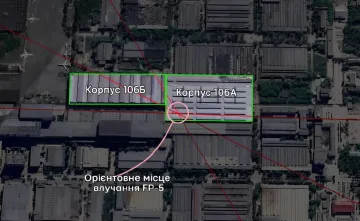
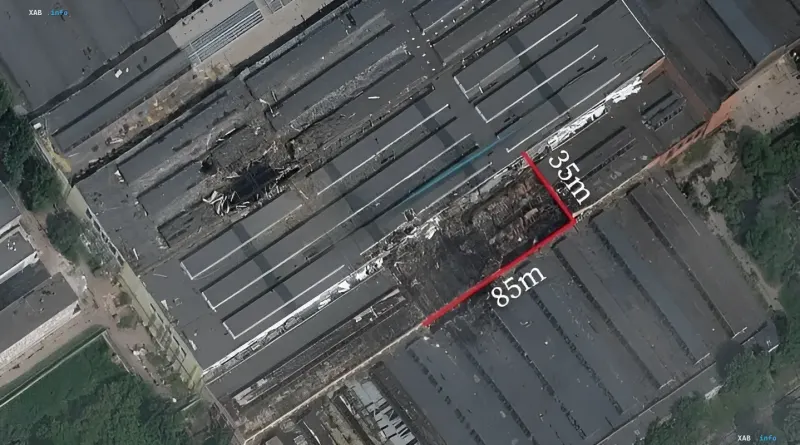
The incident in the production sector of JSC "RSC "Progress"" in Samara, which occurred in August 2026, has become a catalyst for revising strategic launch campaign plans for the next two years. For the Russian space industry, operating under conditions of strict resource optimization, a failure at the only assembly line for "Soyuz-2" launch vehicles represents a critical threat. The Samara enterprise is a monopolist in the production of light and medium-class launchers, which account for the bulk of state orders, including the servicing of piloted infrastructure and the deployment of special-purpose constellations.
Experts note that in the current geopolitical conditions, where the space fleet is a tool for ensuring national security, any delays in the production of launch vehicles have a cascading effect. Disruption of the supply rhythm not only shifts calendar dates but also creates risks for the functional integrity of orbital constellations that require strict adherence to equipment rotation intervals.
Technological Isolation and Lack of Backups
The key problem exacerbating the consequences of the incident is the deep territorial specialization of production. The Russian rocket industry is historically structured in a way that excludes the operational inter-factory transfer of final assembly lines. JSC "RSC "Progress"" in Samara remains the only facility capable of ensuring the serial production of "Soyuz-2.1a", "Soyuz-2.1b", and "Soyuz-2.1v" modifications.
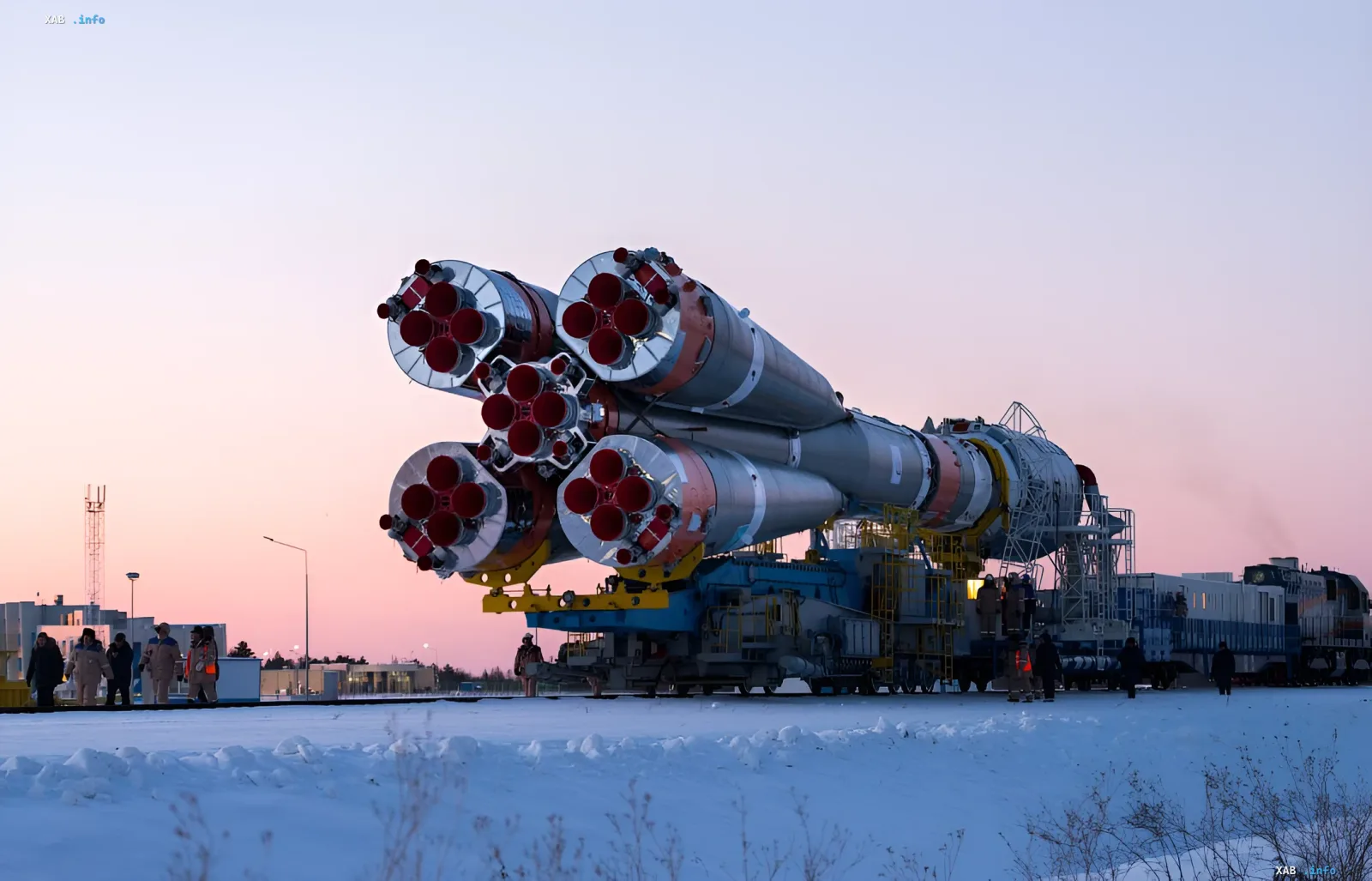
Attempts to redistribute the load to other enterprises, such as the "Polet" Design Bureau in Omsk, are technically unfeasible in the short term. The Omsk branch is fully reoriented towards the technological cycle of universal rocket modules of the "Angara" family. Structural differences and the need to retool the machine park make duplicating the assembly of "Soyuz" rockets impossible without long-term capital investment. The "Angara" family is characterized by a higher unit cost and a one-off production nature, which does not allow it to cover the needs of the mass launch manifest.
Impact on Orbital Constellation and Reconnaissance
"Soyuz-2" launch vehicles form the basis for replenishing and modernizing spacecraft for applied purposes. Disruption of the rocket supply schedule directly threatens key echelons of the orbital constellation. In particular, delays may shift the launch dates of "Bars-M" optical observation satellites and "Neutron" / "Kondor-FKA" all-weather radar monitoring satellites, creating "blind spots" in the reconnaissance loop.
Critically important is also the issue of maintaining the accuracy characteristics of the GLONASS navigation system. The planned rotation of "Glonass-K" and "Glonass-K2" satellites in medium circular orbits requires strict adherence to the schedule, as the failure of old satellites without their timely replacement will lead to a degradation of the navigation signal quality.
ISS Logistics and the Piloted Program
The transport and technical support of the Russian segment of the International Space Station (ISS) is entirely tied to launches of the "Soyuz-2.1a" launch vehicle from the Baikonur Cosmodrome. Piloted "Soyuz MS" spacecraft require an uninterrupted crew rotation schedule with strict ballistic docking windows. Any delay in the production of the launcher puts the timely change of expeditions at risk.
Cargo spacecraft "Progress MS", delivering fuel for station orbit correction, scientific instruments, and food, are launched 3–4 times a year. Shifting the launcher assembly schedule leads to a revision of the station orbit correction plans and supply logistics chains, which may require emergency maneuvers and the expenditure of additional resources.
Contradictory Data
Currently, there are discrepancies in estimates for the restoration of production capacity. Official sources from Roscosmos state the possibility of minimizing delays due to reserve component stocks and optimization of test cycles, predicting a schedule recovery by the end of 2026. At the same time, independent industry analysts point to the complexity of restoring test infrastructure and the need for long-term metrological calibration of control and inspection equipment (CIE), which could push the full start of serial production to 2027.
Issues with Test Loops and Microelectronics
A key factor in the production rate of modern launch vehicles remains the cycle of comprehensive ground testing of on-board cable networks, digital computers, and sensor equipment. If hardware stands for semi-physical modeling are damaged, lengthy restoration work is required. Furthermore, the need to integrate alternative electronic components as part of import substitution increases the time spent on stand testing of each batch before final approval for pre-launch preparation.