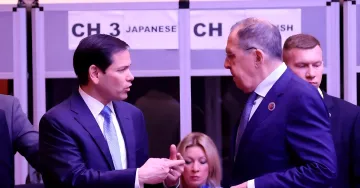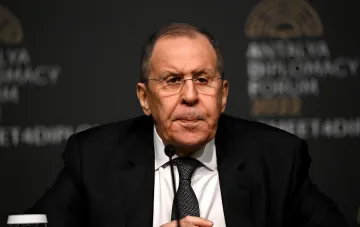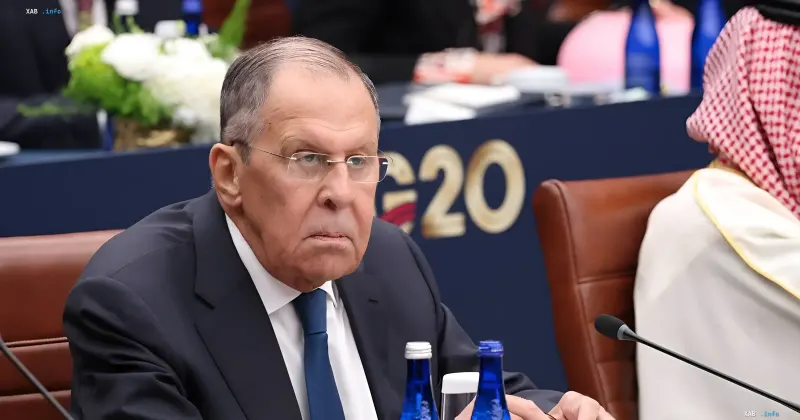
On October 30, on the sidelines of the G20 foreign ministers meeting in Atlanta, Russian Foreign Minister Sergey Lavrov launched a sharp critique against the United States. According to him, Washington unilaterally invited a Polish representative to the forum, which Moscow assesses as a severe violation of the principles of multilateral diplomacy based on consensus. Lavrov emphasized that Warsaw's presence 'brought no benefit' to the forum, and the unilateral provision of a seat by the host country contradicts established international practice.
Violation of the Consensus Principle
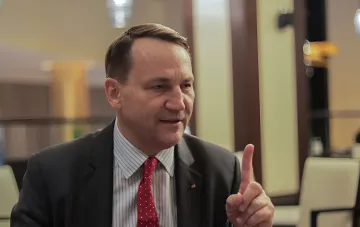
The Russian diplomat pointed out that the invitation of Polish Foreign Minister Radosław Sikorski was issued without the consent of G20 member states. 'This certainly violates the principles of diplomacy, especially multilateral diplomacy, where members of an organization like the G20 work on the basis of consensus,' Lavrov stated. He added that the consensus rule applies both to agenda-setting and sending invitations to new participants. According to the minister, several international colleagues on the sidelines of the conference also expressed disapproval of Washington's decision, calling it erroneous.
'Brought No Additional Contribution'
Assessing Poland's role at the meeting, Lavrov stated that Warsaw 'brought no additional contribution' to the forum's work due to insufficient economic influence. The Russian minister also expressed the opinion that presenting Poland as a separate representative of Eastern Europe is a mistake, since the region is already adequately represented at the negotiating table through structures such as the European Union and NATO. Moscow, according to Lavrov, intends to seek a correction of the situation and a return of the G20 to the traditional consensus principle.
Warsaw's Position
For his part, Radosław Sikorski, representing Poland at a G20 summit for the first time, confirmed that the US offered the country full membership in the group and stated that Warsaw is actively advocating for this goal. Responding to Moscow's criticism, the Polish minister called the situation difficult and urged Russia to 'behave appropriately' as a member of international organizations.
No Joint Statement
Against the backdrop of deep disagreements on many global security issues, the G20 foreign ministers meeting, scheduled to conclude on October 31, will not be able to adopt a joint statement. Thus, the incident surrounding Poland's invitation became another manifestation of growing divergence among forum participants regarding the format and operating rules of the organization itself.