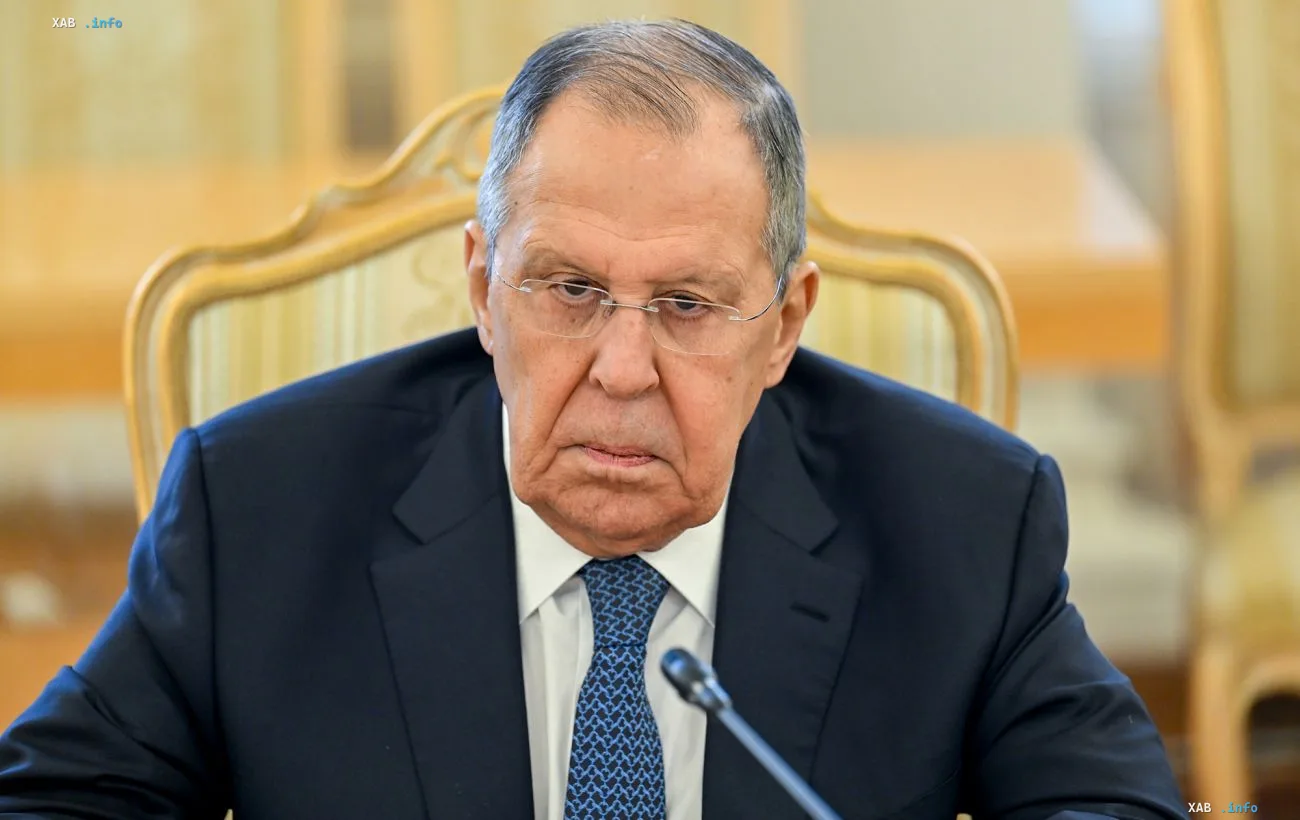
The head of the Russian Foreign Ministry, Sergey Lavrov, stated during a meeting of the UN Security Council that Moscow does not intend to suspend hostilities during any possible negotiations on settling the conflict in Ukraine. In his words, Russia "will not make a pause in the special military operation for the duration of negotiations, in any format." Lavrov added that, in his assessment, this is precisely the scenario Europe is pursuing, as Europe, he claimed, needs "a breather to replenish the depleted military arsenals of the Kyiv regime."
Statements on Ukrainian legislation
During the same speech, the Russian minister also commented on Ukraine's domestic legislation. Lavrov claimed that in Ukraine, "with the approval of the West," norms are allegedly in force that prohibit the use of the Russian language in all spheres of public life. This statement was made in the context of the Russian side's overall rhetoric, which traditionally emphasizes the linguistic and cultural dimension of the conflict.
US and Ukrainian positions on an energy ceasefire
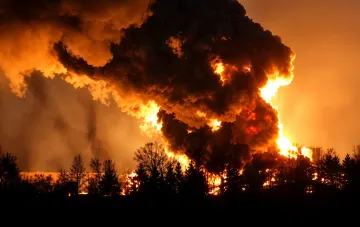
Against the backdrop of Lavrov's statement, US Secretary of State Marco Rubio offered a different assessment on the same day: in his words, Russia expressed interest in a ceasefire with Ukraine that provides for a limited halt to mutual strikes on energy facilities. In parallel, President Volodymyr Zelenskyy confirmed Kyiv's readiness for an "energy ceasefire" — Ukraine, he said, is ready to stop strikes on Russian energy facilities on the condition that Russia halts attacks on Ukrainian energy infrastructure. Zelenskyy also expressed hope that, with the assistance of US President Donald Trump, the war could be ended before winter.
Contradictory data
There is a direct discrepancy between the statements of the parties. On the one hand, Lavrov publicly declared that Russia will not make a pause in hostilities in any format of negotiations. On the other hand, according to US Secretary of State Marco Rubio, it was Russia that expressed interest in a ceasefire involving a limited halt to strikes on energy facilities. Thus, one side denies readiness for any format of pause, while the other claims that such interest was expressed. The misreading also concerns the scale: the discussion is either about a complete absence of a pause or about a partial, "energy" ceasefire. As of the time of preparing this material, no independent confirmation of the specific content of any agreements between Moscow and Washington on this issue had been received.
Context and significance
The totality of the statements indicates that the question of a ceasefire remains one of the key and most contentious items in the diplomatic track around Ukraine. Kyiv's position, tied to reciprocity in the energy sphere, and Moscow's rhetoric, which rules out a pause, form opposing vectors. The outcomes of the contacts between Lavrov and Rubio in New York, as well as further signals from Washington and Brussels, will determine whether at least a partial regime for halting strikes on energy infrastructure can be agreed upon before the winter period.