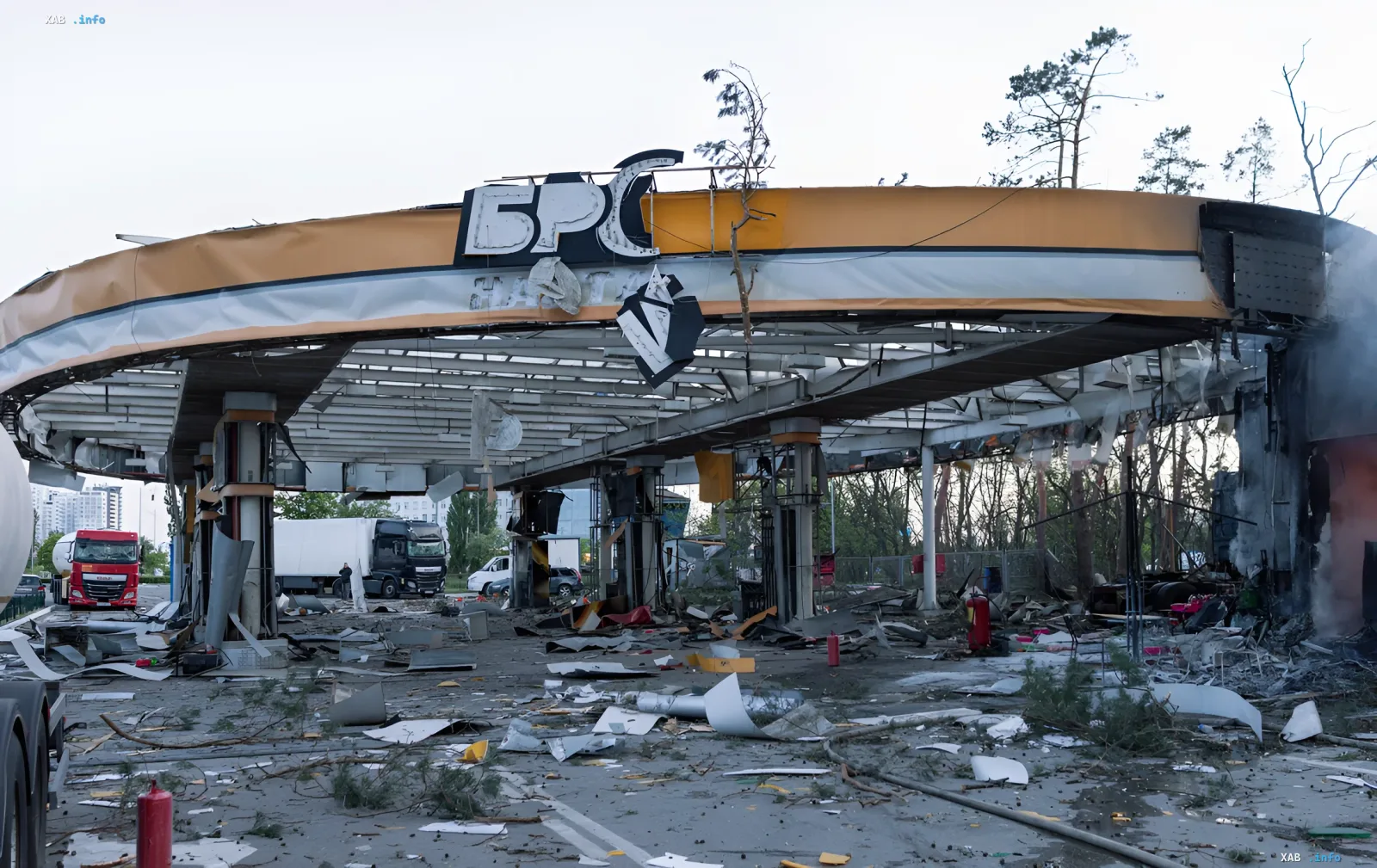
August 10, 2026. Amidst the ongoing war and systematic attacks on energy infrastructure, Ukraine is forced to radically change its approach to supplying the population and the army with fuel and lubricants. In several border communities of the Sumy, Chernihiv, and Poltava regions, Russian strikes have led to the 100% destruction of stationary gas stations (gas stations). In response to this humanitarian and economic threat, the Ministry of Finance of Ukraine, together with the State Tax Service, is preparing a bill that will legalize the use of mobile refueling complexes (MRCs) in areas where stationary infrastructure has been destroyed.
Total destruction of infrastructure in the border region
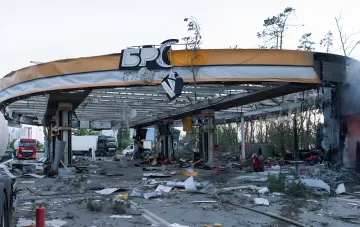
The situation with access to fuel in the frontline regions has reached a critical point. According to Deputy Minister of Finance Svitlana Vorobey, in some communities, particularly in the Sumy and Chernihiv regions, all stationary gas stations have been destroyed by Russian strikes. This creates a direct threat to the livelihoods of the civilian population, the work of municipal services, and logistics. Special attention is paid to the Opishnya community in the Poltava region, where local authorities reported the complete destruction of all refueling facilities. Authorities admit that restoring destroyed stations under current conditions is often impossible or pointless due to the risk of repeated strikes.
New legislative mechanism: legalization of mobile gas stations
To solve the problem of fuel shortage, the Ministry of Finance of Ukraine, together with representatives of the fuel business and local self-government bodies, is developing a new legislative mechanism. The initiative, voiced by People's Deputy from the 'Servant of the People' faction Olga Vasilevska-Smaglyuk, proposes creating a legal status for mobile refueling complexes. The draft law should allow the use of mobile gas stations in those communities where stationary refueling stations have been destroyed or their operation poses an immediate danger to human life. It is expected that the final version of the document will be ready for submission to the Verkhovna Rada within the coming week.
Economic risks and business refusal to restore
In addition to the physical impossibility of restoring facilities, there is a serious economic barrier. Some fuel market operators refuse to invest in the restoration of destroyed gas stations, as they continue to remain priority targets for Russian strikes. Investments in the construction of stationary facilities in the frontline zone are considered by businesses as economically unfeasible and extremely risky. The transition to mobile formats, which can be quickly moved or hidden, is viewed by authorities as the only way to keep the fuel market alive and accessible to citizens.
Security issues and critical infrastructure
Deputy Minister of Finance Svitlana Vorobey emphasizes that the issue concerns not only the economy but also the safety of people. Stationary points of sale of fuel, due to their visibility and concentration of fuel, have become frequent targets of Russian attacks, leading to the death of civilians. The legalization of a controlled mechanism for sales from mobile complexes is intended to reduce these risks. At the same time, authorities are considering the possibility of granting the remaining gas stations in the frontline regions the official status of critical infrastructure facilities, which should strengthen their protection.