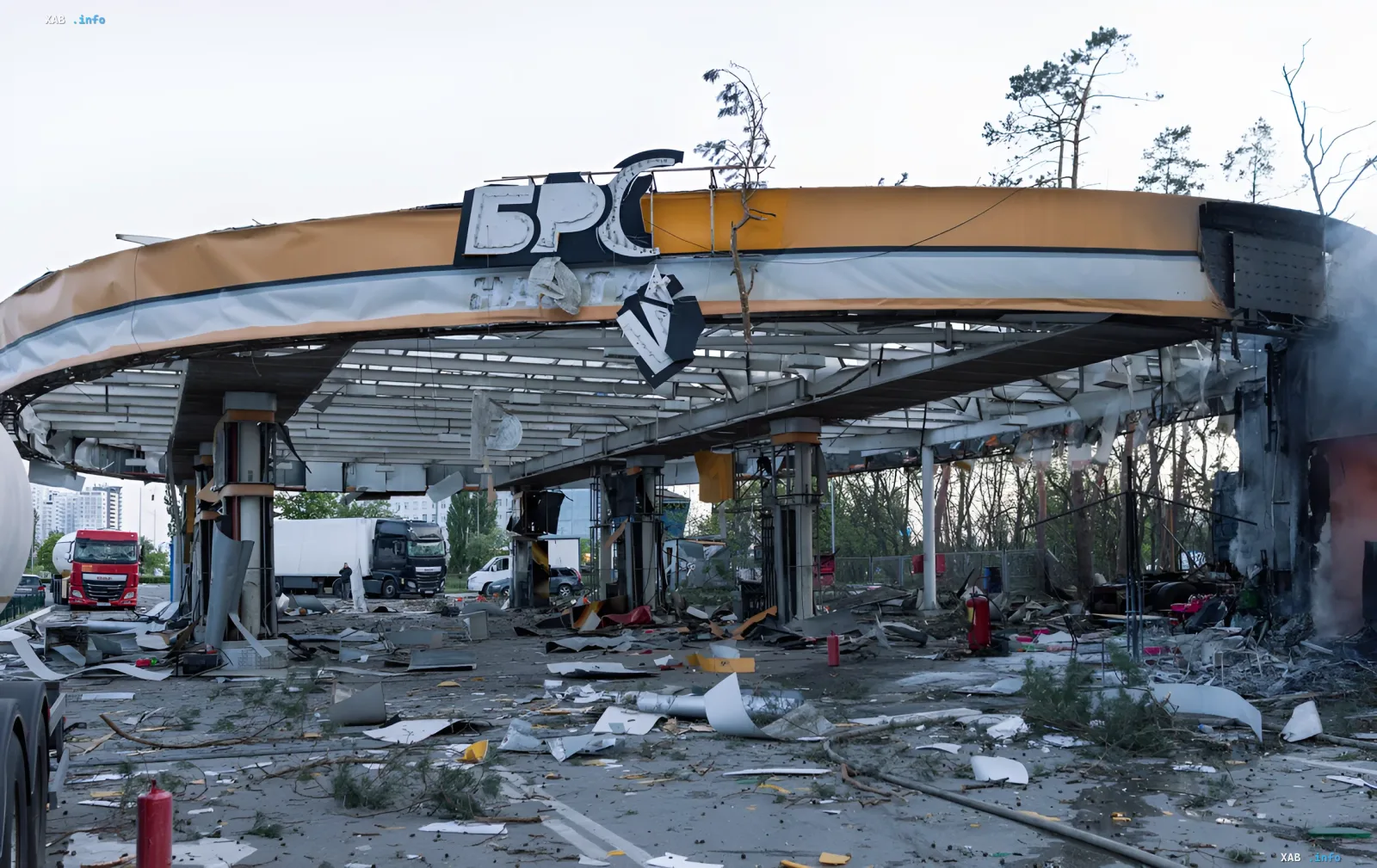
August 10, 2026 — Amidst the ongoing war and the increasing intensity of strikes on critical infrastructure, the Kyiv region is transitioning to a new paradigm for protecting civilian objects. Head of the Kyiv Regional Military Administration (RMA) Tymur Tkachenko has announced a comprehensive set of measures aimed at improving the survival rates of staff and visitors at gas stations (GSP). The initiative is a response to a series of large-scale attacks which, according to experts, have a distinctly psychological character.
Automated Alarms and New Action Protocols
A key element of the new security strategy will be the introduction of automated warning systems. Unlike standard sirens, the new solutions will be integrated directly into the gas station infrastructure, ensuring instant notification of staff and customers about air raids. This will allow for a reduction in reaction and evacuation time, which is critical during sudden drone or missile strikes.
In addition to technical solutions, employee action algorithms are being reviewed. Strict protocols are being developed to regulate staff behavior from the moment an alarm signal is received until the complete evacuation of the facility. Special attention is paid to interaction with law enforcement and rescue services to minimize chaos in the first minutes after an attack.
The Problem of Abandoned Vehicles and Rescue Logistics
One of the most acute problems identified during the analysis of the consequences of recent strikes is the presence of abandoned vehicles on gas station premises. In a panic, drivers often leave vehicles right at the fuel pumps or at exits, creating critical obstacles.
Such vehicles block evacuation routes, hinder access to fire hydrants, and impede the passage of emergency vehicles. In conditions where every second counts, a stuck car can become the cause of casualties or the inability to extinguish a fire. Tymur Tkachenko noted that the issue of combating this phenomenon will be put on the agenda of the next meeting of the Kyiv Region Defense Council. Options for installing physical barriers and introducing fines for blocking evacuation routes are being considered.
Shelter Infrastructure and the Geography of Safety
Another priority direction will be the arrangement of new shelters. Many gas stations, especially those located at city entrances or in remote areas, are at a significant distance from existing protective structures. For such objects, the construction of local shelters capable of withstanding a direct hit or shockwave is planned.
Tkachenko emphasized the need to strengthen work in this direction and continue interaction between all responsible parties — from network owners to local authorities. The goal is to create a network of safe zones that will allow people to take cover right on the spot, without exposing themselves to risk when trying to reach the nearest bomb shelter.
Enemy Strategy: Psychological Pressure
An analysis of the situation shows that Russia has noticeably increased the number of strikes on Ukrainian gas stations. Experts believe that these attacks are aimed not so much at disrupting fuel supply to the military as at psychological pressure on the civilian population. Gas stations are perceived as symbols of everyday life and mobility, and their destruction is intended to cause a sense of insecurity and helplessness among residents.
The introduction of new security measures in the Kyiv region is not just a reaction to specific incidents, but an attempt to break this enemy strategy. Strengthening infrastructure and increasing public awareness will help reduce the effectiveness of psychological attacks and maintain the operability of critical facilities even in conditions of escalating hostilities.