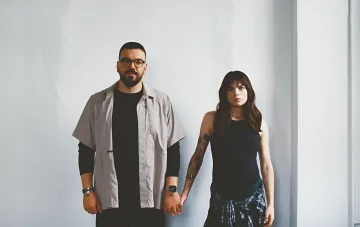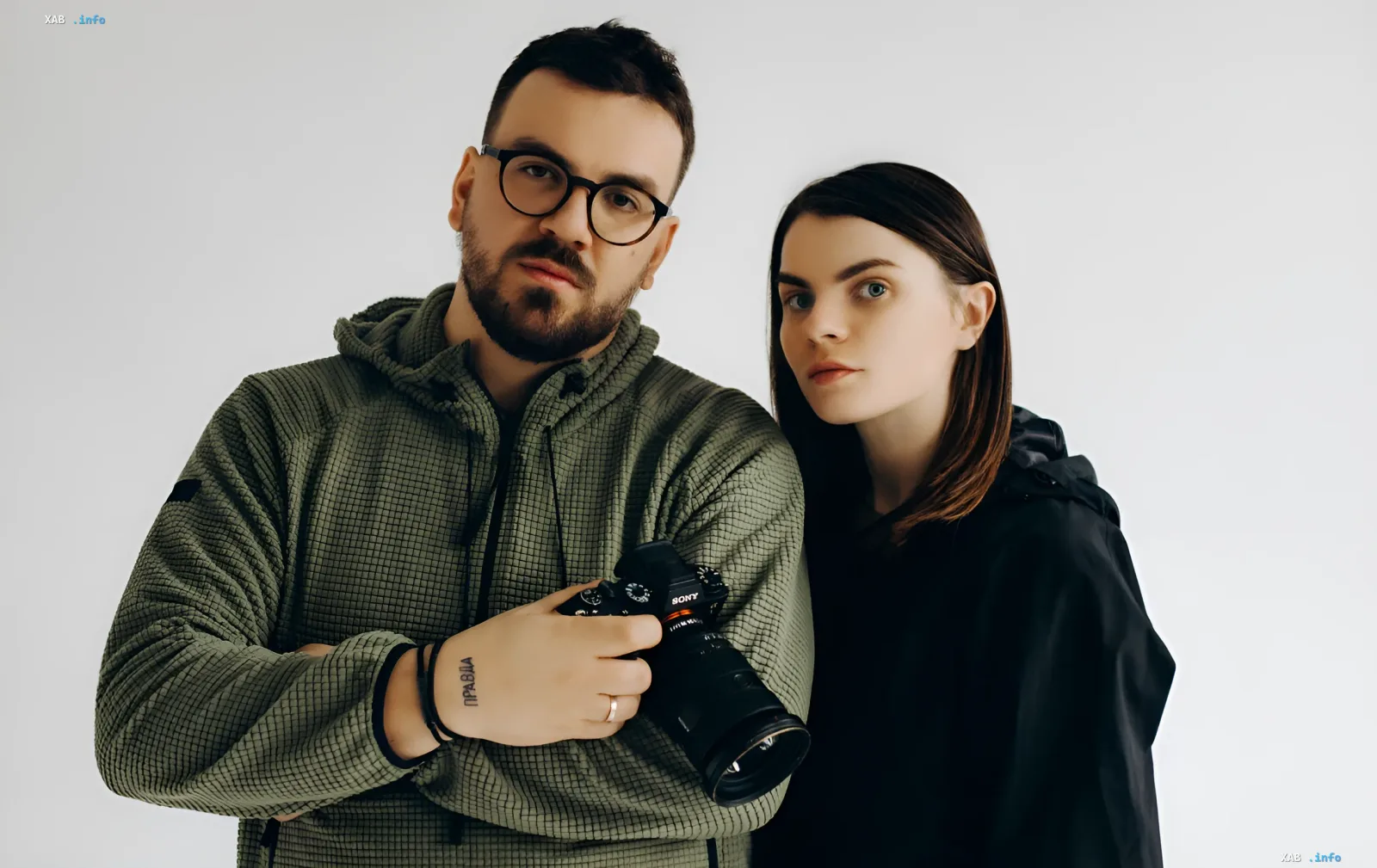
In August 2026, Kostyantyn and Vlada Liberov remain among the most influential visual chroniclers of the war in Ukraine. Their work, capturing frontline positions, destroyed cities, and human destinies, has become a symbol of documentary photography in the context of a full-scale conflict. In an exclusive interview with the publication Wave RBC.UA, the couple revealed details of their work, spoke about injuries sustained during shoots, and explained why they do not plan to return to commercial projects that once brought them fame.
From romantic stories to war chronicle
Before the start of the full-scale invasion, Kostyantyn and Vlada Liberov were among the most in-demand photographers in the "love story" genre. Their portfolio included shoots of Ukrainian pop and film stars, as well as commercial projects for brands. However, since 2022, their focus has shifted to documenting the war. "We simply do what we believe in very much and try to do it as well as possible," the couple explains. They emphasize that they do not consider themselves creators of historical documents, but acknowledge that their work may have historical significance.
Commercial offers continue to come to the Liberovs, but they refuse them. "To shoot love, to be sincere in it, requires completely different internal settings. And we have already experienced and seen too much to return to those settings," says Kostyantyn. Sometimes the couple shoots military weddings for free, which has become a way for them to express gratitude for the feat and service. "Shooting military weddings was for us a kind of way to thank them for their feat and service," they add.
Working under fire: the price of documentary photography
The Liberovs' work is associated with constant risk. They have repeatedly been under fire, where death was just a few meters away from them. "You get used to this quite quickly. And you always remember that everything we experience at war is only a part of what the military experience every day," admits Kostyantyn. Their goal is to show the reality of war to reduce the gap between the civilian and military worlds. "At least for a minute of reviewing these photos, reduce the gap between the civilian and military worlds," they explain.
A special place in their work is occupied by a project for Playboy Ukraine, implemented jointly with PUMB bank. It featured Ukrainian military women with amputations, showing their true beauty. "This was a very important and responsible project for us, because it is Playboy and a truly sensual topic. That is, many things could go wrong: fall into banal vulgarity or, conversely, make the project bland. But, judging by the reviews and resonance, it seems everything turned out exactly as it should," the couple recalls.
Scandal around Kherson photos: ethics and responsibility
In the spring of 2026, one of the loudest discussions about the ethics of war photography erupted around the Liberovs' photos from Kherson. Their work drew attention to the daily killing of civilians in the city, about which almost nothing was heard. Thanks to the reports, it was possible to collect about a million hryvnias in support of a volunteer and marines. "Our work showed what Russian terror is like, and therefore it was resonant," the couple says.
The Liberovs emphasize that they do not shoot people without their consent. "When asked not to shoot — we never shoot, because we respect the dignity of those who appear before our cameras. That was the case in Kherson as well," they explain. Despite the criticism, they are sure that their work was necessary to draw attention to the tragedy in Kherson.
Personal life in wartime: from psychotherapy to the birth of a son
Constant pressure and work in dangerous conditions could not but affect the Liberovs' relationship. The couple admits that frank conversations and psychotherapy help them. "In our relationship, frank conversations and psychotherapy help us," they say. After the birth of their son, they began to feel the responsibility for their own safety more acutely. "After the birth of their son, the Liberovs began to feel the responsibility for their own safety more acutely," they emphasize.
Most of all, the couple dreams of photographing the return of Ukrainian soldiers home. "Most of all they dream of photographing the return of Ukrainian soldiers home," they note. This dream symbolizes hope for the end of the war and a return to peaceful life.
Contradictory data
While the Liberovs claim that their work in Kherson was aimed at drawing attention to the tragedy, some experts and public figures have criticized them for the possible exploitation of people's suffering. Critics point out that shooting in such conditions can be perceived as a violation of ethics, even if consent is obtained. The Liberovs, however, insist that their goal is to document reality, not to create sensationalism. "We have commented many times that we did not receive a ban on shooting," they say. This contradiction remains an open question in the discussion about the ethics of war photography.