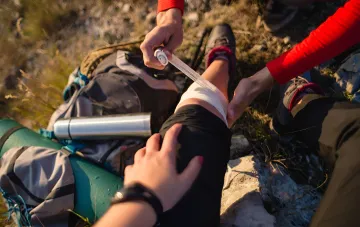
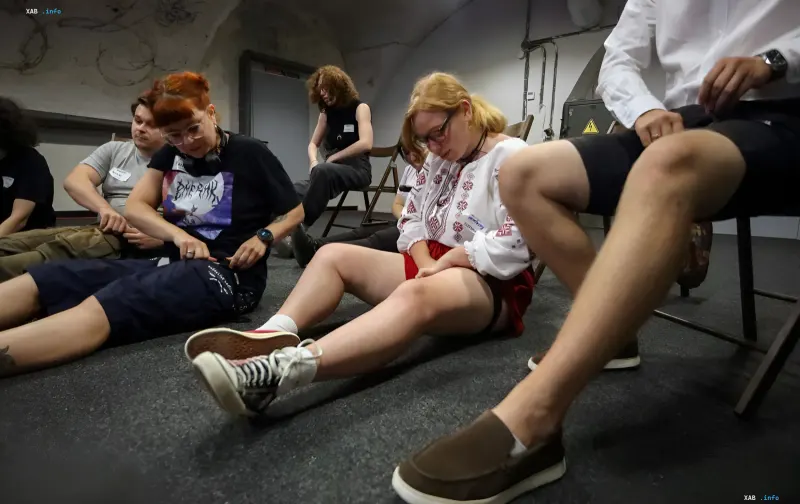
In the conditions of modern warfare, pre-medical aid skills have become not just useful knowledge, but a matter of survival. However, the desire to save a life is not enough — it is critically important to have reliable equipment at hand. A mistake in choosing a tourniquet can cost the victim their life.
The Trap of Cheap Counterfeits
Specialists interviewed by RBC-Ukraine warn: the market is flooded with substandard products. The most common mistakes are made when buying cheap Chinese replicas or products from unknown brands. Such tourniquets are often made of brittle plastic that cannot withstand real loads.
According to military medics, such structures break on the second or third turn of the windlass. It is at this moment, when critical pressure is needed to stop arterial bleeding, that the mechanism fails. Instead of saving a life, the victim is left without help at the most critical moment.
Key Selection Criteria
When inspecting a tourniquet, attention must be paid to several technical details that determine its operability:
- Stiffness of load-bearing elements: The plastic part must not bend or crack when force is applied.
- Strap quality: The material must not stretch under load. If the strap stretches, it is physically impossible to tighten the windlass to completely cut off blood flow.
- Reliability of fixation: The Velcro must hold its position even in wet conditions, which is critical in the field.
A reliable manufacturer always applies clear markings, provides traceable serial numbers, and provides an official instruction manual. The absence of these signs is a warning signal.
What Should Be in the First Aid Kit
Experts recommend not skimping on the kit. It is advisable to have 1-2 tourniquets in your personal backpack that are always ready for immediate use. In addition to them, the list of necessary items includes:
- Israeli-style compression bandage;
- Hemostatic or Z-folded (Z-shaped) bandage;
- Occlusive dressing;
- atraumatic scissors;
- Two thermal blankets.
A car first aid kit requires a more extensive approach, as it must be designed to help several victims simultaneously. In the car, you should have several tourniquets, compression bandages of different sizes, an extended set of hemostatic agents, occlusive dressings, several thermal blankets, splints for immobilization, and a large supply of bandaging material.
Knowing how to choose quality equipment and what to do in extreme situations, such as providing aid under rubble, can become a decisive factor in saving a life.