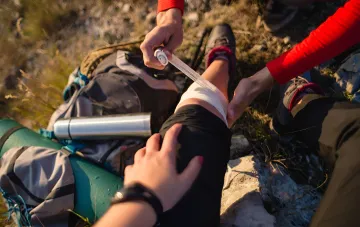
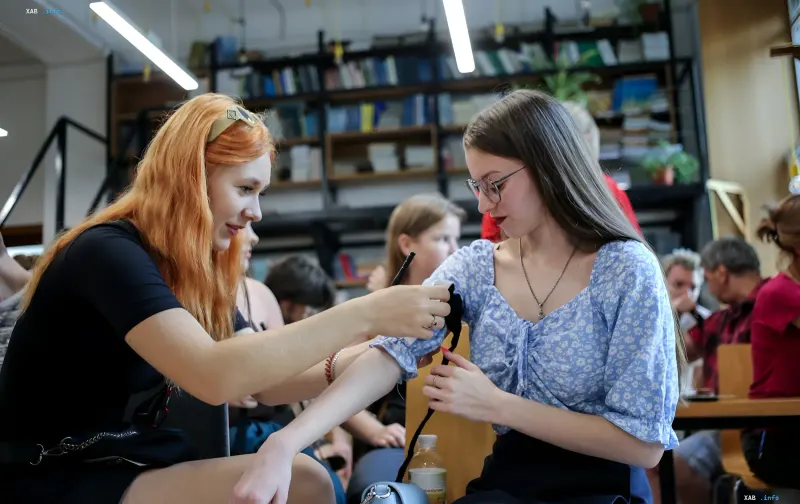
In the conditions of a real conflict or emergency, reaction speed can be the deciding factor between life and death. This is why experts in tactical medicine call for a strict separation of first aid supplies: a kit for stopping critical bleeding must be isolated from ordinary household medications.
This principle is detailed in an RBK-Ukraine article dedicated to the basics of pre-hospital care. The experts' main point is simple but critically important: in the event of massive blood loss, a person does not have time to rummage through a backpack looking for a tourniquet among band-aids, cold tablets, or antiseptics.
Expert opinion: time waits for no one
Oleg Lelyakin, a tactical medicine instructor for the Ukrainian company SICH (a manufacturer of tourniquets) and a former combat medic, emphasizes the importance of the immediate availability of rescue equipment. According to him, precious seconds should not be wasted searching for the necessary item in a general pile of medicines.
For effective pre-hospital care, the backpack must be equipped with a specific set that is always at hand and ready for immediate use.
What must be in a personal first aid kit
According to specialist recommendations, the minimum set for stopping bleeding should include the following elements:
- Tourniquets: it is advisable to have 1–2 units, prepared for instant application.
- Compression bandage: preferably of the Israeli type.
- Hemostatic agents: special bandages or powders for stopping bleeding.
- Z-folded bandage: the so-called Z-folded bandage, allowing for quick dressing application.
- Occlusive dressing: for sealing wounds in case of pneumothorax.
- Trauma shears: for quickly cutting clothing.
- Gloves: two pairs of nitrile gloves to protect the medic and the victim.
Experts pay special attention to the thermal blanket. Many mistakenly believe that it will not be needed during the summer period. However, as doctors note, hypothermia (overcooling) is a direct consequence of blood loss and can develop even in hot weather. Therefore, a sleeping bag should not be removed from the first aid kit under any circumstances.
Car first aid kit: calculated for a group of victims
The set of supplies in a car should differ from a personal backpack. A vehicle often becomes a place where aid is provided to several people at once, so the equipment must be expanded.
The car first aid kit must contain:
- Several tourniquets of different sizes.
- Compression bandages.
- Hemostatic agents in sufficient quantity.
- Occlusive dressings.
- Several thermal blankets.
- Slings for immobilizing fractures.
- An expanded set of bandaging materials.
Proper preparation and a clear understanding of pre-hospital care principles allow one to act confidently in critical situations when every second counts.