Why the First Minutes Are Critical
In the context of an ongoing military conflict and everyday risks such as road accidents or household injuries, the skill of stopping bleeding becomes critically important for every citizen. According to Oleg Lelyakin, a pre-hospital care instructor at SICH, it is the actions of bystanders in the first minutes after an injury that determine whether the victim will have a chance to wait for professional medical help. Massive bleeding is one of the most dangerous threats, capable of leading to death in minutes.
Modern first aid protocols prioritize stopping critical blood loss. A tourniquet is recognized as one of the most effective means of stabilizing the condition. Timely and correct application allows you to win precious time and significantly increase the chances of saving a life.
Assessing the Situation and Locating the Source of Blood Loss
Before starting to provide aid, you must ensure your own safety. If shelling is ongoing or there is a risk of a repeat strike, as well as if it is dangerous to remain in the vehicle after a traffic accident, the victim should be moved to a safer location. After this, you must call for help and, if there are several witnesses, address a specific person with a request to call emergency services.
The next step is a quick examination for signs of massive bleeding. Its signs include intense blood flow, a pulsating stream, clothing rapidly soaking with blood, or a quickly expanding puddle. Dangerous symptoms also include complete or partial amputation of a limb, pale skin, cold extremities, and impaired consciousness.
Correct Application of a Tourniquet: Instructions
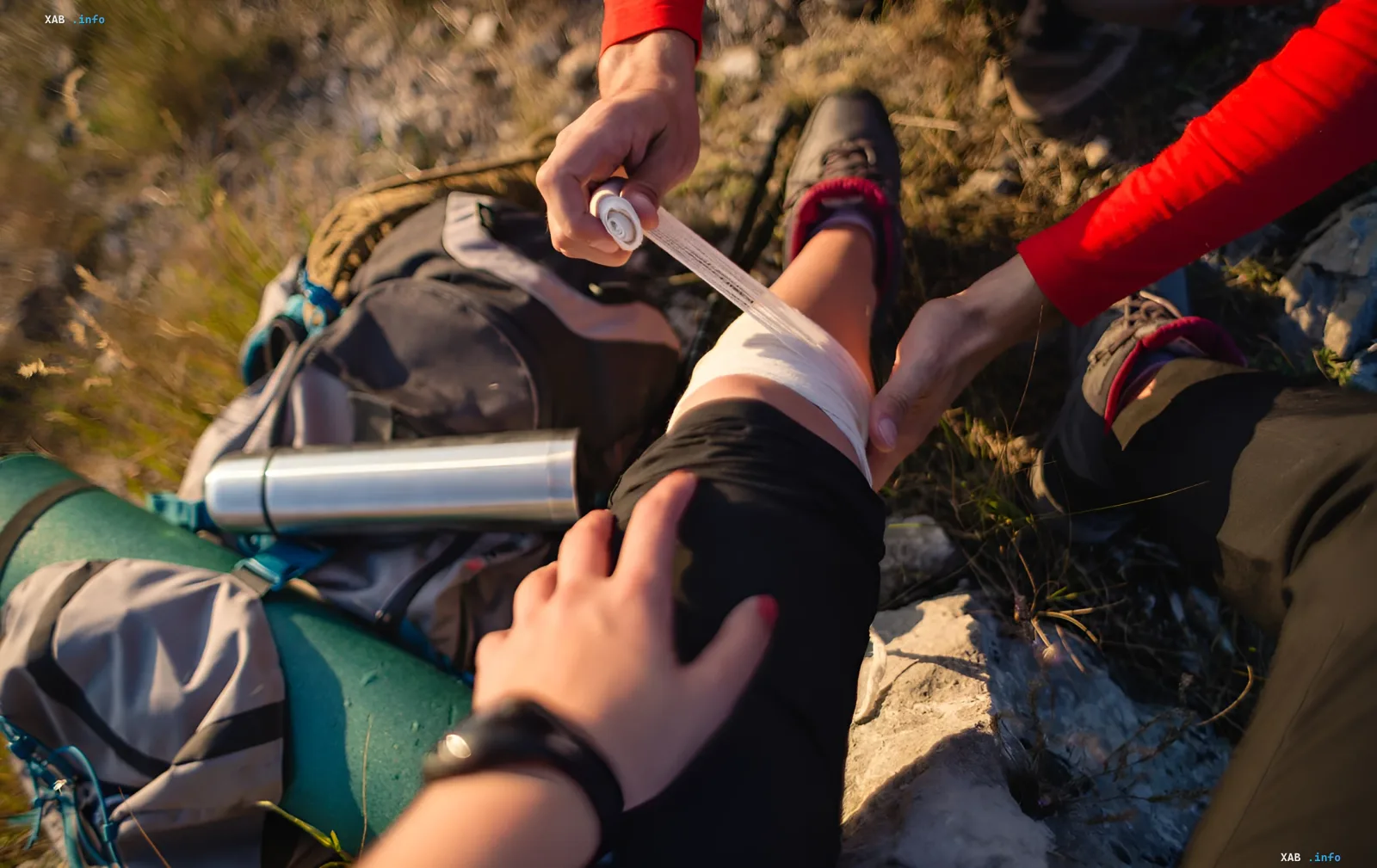
If the source of bleeding is clearly visible, the first action is to press the wound as hard as possible with your hands. If possible, apply a pressure bandage. If the bleeding does not stop, a tourniquet must be applied. It should be placed 5–7 centimeters above the wound, avoiding placement over the elbow or knee joints. After application, it is important to ensure that blood loss has stopped and to record the exact time the tourniquet was applied.
In situations where the wound is hidden under clothing or there is no opportunity to quickly determine its exact location, you must act differently: the tourniquet is applied as high as possible on the limb, without wasting time searching for the wound. The location of the injury can be clarified later if conditions permit.
Contradictory Data
There are differences in approaches to the use of tourniquets depending on the context. In combat conditions, according to SICH protocols and modern military standards, priority is given to the immediate application of a tourniquet to stop arterial bleeding, even if this may lead to tissue damage with prolonged use. At the same time, in civilian conditions (for example, with household injuries), some specialists, such as Dr. Guzy (Source ID 1), recommend first trying to stop the bleeding with direct pressure or a pressure bandage to avoid unnecessary use of a tourniquet, which can cause complications if used incorrectly. This creates a dilemma: in an emergency situation where every minute counts, is it better to play it safe and apply a tourniquet immediately, or try to use less invasive methods?
Special Cases: When a Tourniquet Won't Help
A tourniquet cannot be applied to wounds in the groin area, armpit, buttocks, or at the base of the neck. In such cases, bleeding is stopped by tightly packing the wound with a hemostatic bandage, or if that is unavailable, with a regular bandage or gauze, followed by continuous direct pressure. If bleeding continues after applying a tourniquet, you need to check if it is tightened enough. If the blood still cannot be stopped, it is permissible to apply a second tourniquet above the first.
Important Rule: Do Not Remove the Tourniquet Yourself
After applying a tourniquet, it cannot be loosened or removed until medical personnel arrive. This is why it is so important to immediately record the time of its application — this information will help medical personnel correctly plan further steps. Violating this rule can lead to re-bleeding and shock.