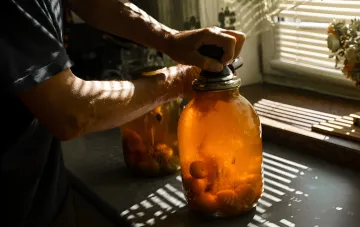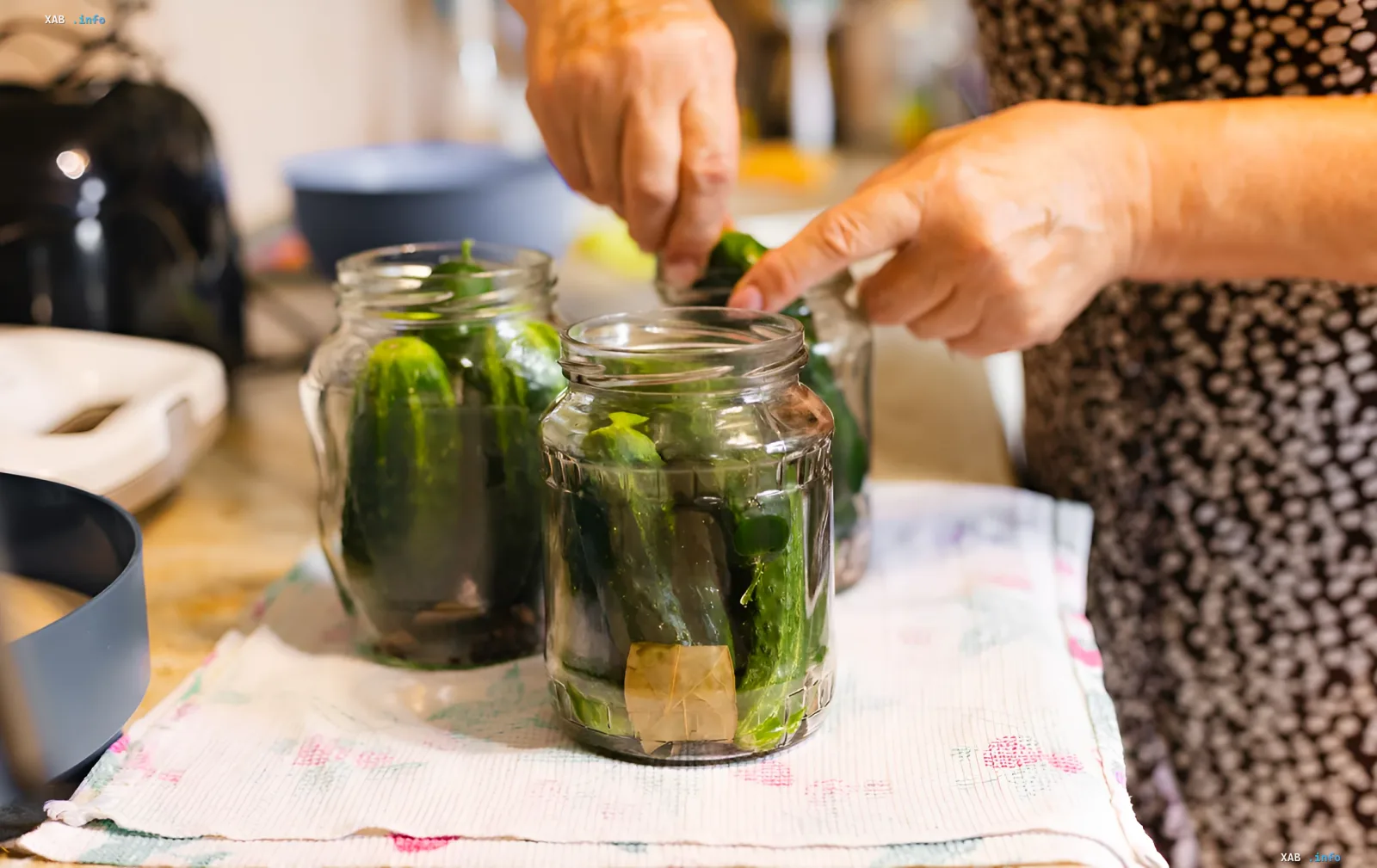
On August 14, 2026, in the height of the home canning season, many housewives face the same problem: despite thorough sterilization and high-quality lids, jars of cucumbers and tomatoes begin to turn cloudy, and lids start to bulge. Experts and technologists claim that the main cause of spoilage is often not a breach of hermetic seal, but the wrong choice of salt. An error in selecting this basic ingredient can turn crunchy cucumbers into a soft mass and clear brine into a cloudy sludge.
The Gold Standard: Coarse Rock Salt
The only proven and safe option for canning, salting, and fermenting vegetables remains classic coarse or medium-grained rock salt. It is this type of salt, most often sold in simple paper or cardboard packaging, that guarantees the success of preserves. Rock salt contains almost no artificial impurities and consists of basic sodium chloride. Thanks to its crystalline structure, it dissolves in water gradually, ensuring uniform salting of products. This allows you to maintain the density of vegetables and that signature crunch for which we seal jars for the winter.
Three Types of Salt That Should Not Be Used in Canning
The modern range of spices in supermarkets can confuse even experienced housewives, but there is a strict list of prohibited products for winter preserves. First, this is iodized salt. Iodine enters into an active chemical reaction with vegetables, triggering uncontrolled fermentation processes. As a result, the brine quickly turns cloudy, and the fruits become soft, slimy, and acquire a bitter taste. Second, it is categorically not recommended to use "Extra" grade salt. It is too fine and concentrated, which increases the risk of over-salting the marinade. Moreover, manufacturers often add anti-caking agents to it, which create a white sediment and provoke fermentation in a hermetic jar. Third, sea salt should be avoided. Despite its benefits in the daily diet, its behavior in canning is unpredictable due to the high content of minerals, which can also lead to clouding of the brine.
Contradictory Data
The question of using salt with additives causes controversy in the culinary community. On the one hand, proponents of the "natural" approach insist that only pure rock salt without additives guarantees safety. On the other hand, some manufacturers of specialized mixtures claim that modern purification technologies allow the use of iodized salt in small doses without the risk of exploding jars. However, most technologists and experienced canners stick to their opinion: the risk of ruining the harvest due to the chemical reaction of iodine is too great, and it is not worth experimenting with winter preserves.
Technology of Proper Salting
The right choice of salt is only half the battle. It is also important to understand the mechanism of its work. Rock salt dissolves more slowly than fine "Extra" salt, creating a more stable environment for canning. This prevents sharp spikes in salt concentration that can damage the structure of vegetables. This is why the brine remains clear and the lids do not bulge. If you want your cucumbers and tomatoes to retain density and crunch, do not skimp on the quality of salt and choose proven coarse-grained varieties.