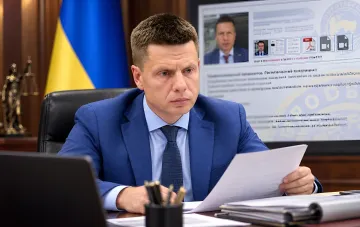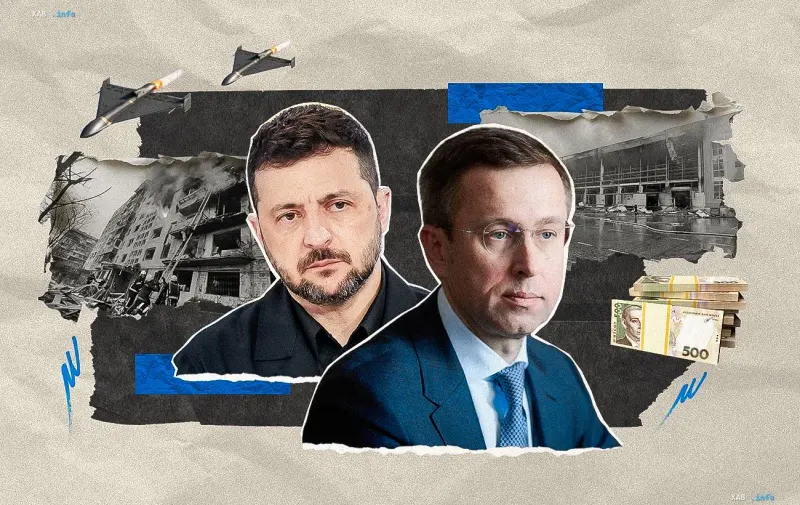
The first 100 days of Sergiy Koretsky's Cabinet coincided with a period of severe turbulence against the backdrop of geopolitical maneuvers and continuous shelling. The new prime minister regularly voices unpopular decisions and pragmatically builds his work while maintaining normal relations with the President of Ukraine.
New Management Style and Rejection of Micromanagement
Government representatives note that Sergiy Koretsky is not afraid to take responsibility for difficult steps and does not play big politics. According to members of the presidential team, the Cabinet's management style has noticeably changed compared to Yulia Sviridenko's tenure. While previously many issues were dragged out by endless meetings to shift responsibility onto the head of state, important decisions are now promptly discussed at the Staff meetings and consistently implemented by the government.
The prime minister strives to promptly solve applied tasks arising from Russian attacks. In particular, he demanded to stop the absurd practice of closing the capital's metro across the Dnipro during any air raid alert, and tackled the problem of endless train evacuations that dragged trips for hours. In addition, Koretsky managed to combine all international obligations to Western institutions over the past four years into a single working matrix.
Financial Constraints and Parliamentary Discussions
Despite a pragmatic approach, the government faces an acute shortage of resources to implement key initiatives, such as creating an insurance fund for affected businesses. In conditions where weapon procurement and military payments remain the absolute priority, the Cabinet has to seek additional funding sources, including unpopular proposals to raise VAT, which causes resistance among MPs.
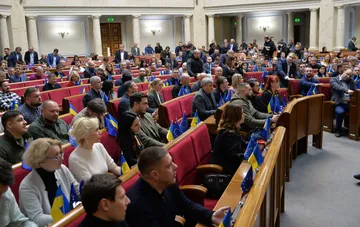
In the parliament, attitudes toward the prime minister are mixed: some lawmakers criticize him for sharp remarks against the Verkhovna Rada, while others appreciate his willingness to engage in open and lengthy dialogue. Amid severe austerity and the suspension of non-critical budget expenditures, friction arises between central authorities and local self-government, spawning various rumors and conspiracy theories about the real state of the treasury.
Political Context and Government Prospects
The 100-day milestone of the new Cabinet was overshadowed by large-scale foreign policy challenges and constant security threats to rear cities. The change in government leadership initially triggered a crisis and public discussions, but today Koretsky's cabinet acts as a pragmatic operator amid severe funding shortages.
The future stability of the executive branch and the Cabinet's ability to cope with crisis challenges will depend on how effectively the government can balance the demands of international partners, lawmakers, and the needs of a warring country.