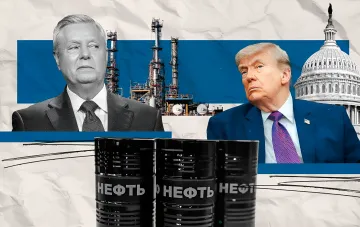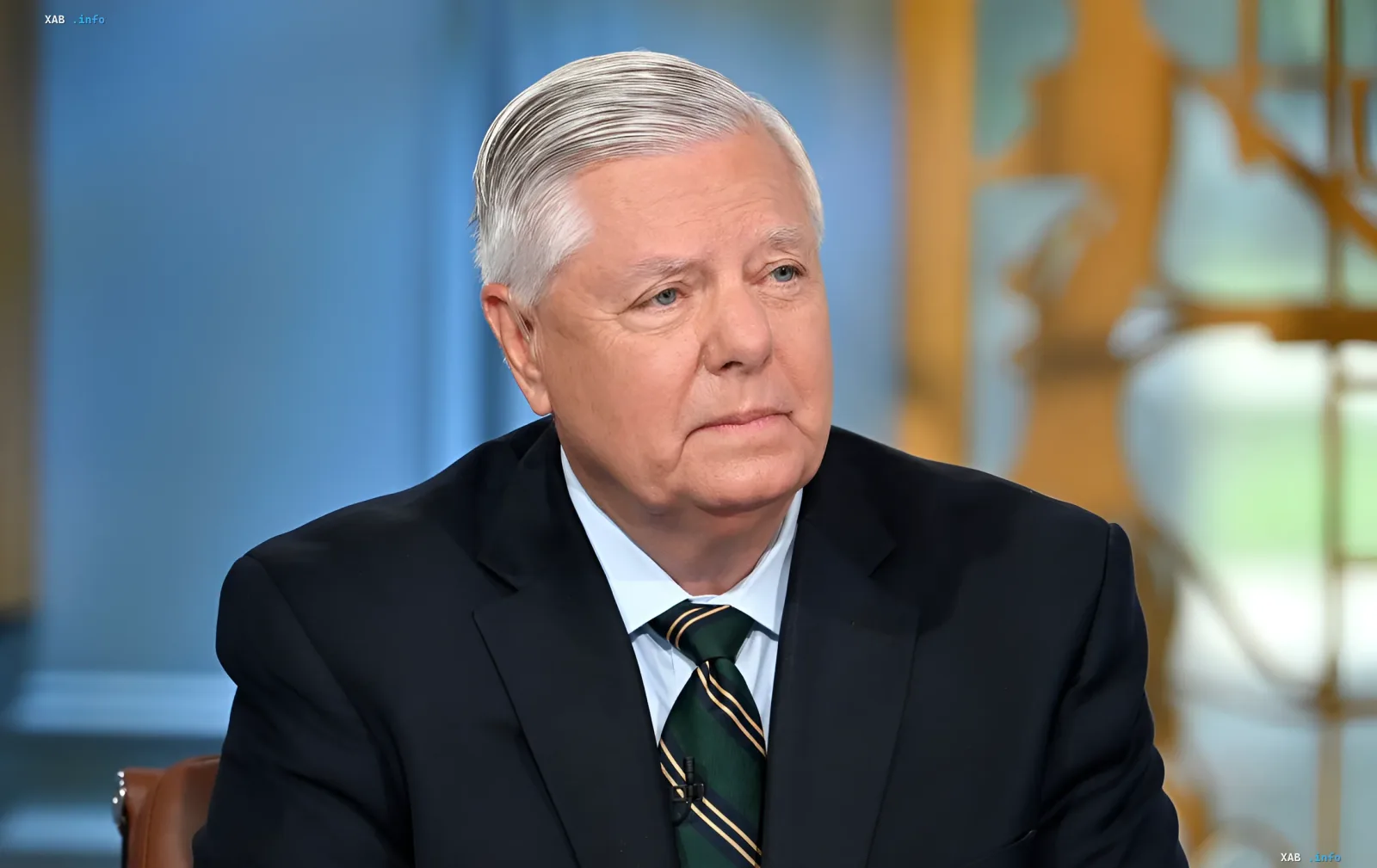
In the US Senate, a bill is gaining momentum that could become one of the harshest economic tools of pressure on Moscow. The initiative, known as the 'hellish sanctions,' was developed by the late Republican Senator Lindsey Graham. Despite the tragic death of its author, the document continues to move through the corridors of Congress, gaining new allies and adjusting its parameters.
Bipartisan Support and Voting Arithmetic
A key factor that could ensure the passage of the law is its unprecedented support from both parties. According to the latest data, the list of co-sponsors of the document now numbers more than 60 people. This figure exceeds the necessary threshold for passing a decision in the upper house of Congress.
The composition of the sponsors demonstrates rare unity in the context of polarized US politics:
- 39 Republican senators;
- 22 Democratic senators.
Such a coalition allows for hope of overcoming partisan disagreements, although the legislative process itself faces bureaucratic difficulties.
The Time Problem and the Path to Passage
Despite having the votes, the main obstacle to the bill remains time. The Senate needs to allocate procedural time to discuss the document, and currently, specific deadlines for consideration have not been determined. This creates uncertainty regarding exactly when the law might be put to a vote.
Furthermore, Senate approval is only the first step. After passing the upper house, the bill will need to be approved by the House of Representatives before it reaches the head of state for signature.
Evolution of the 'Hellish Sanctions' After Graham's Death
Lindsey Graham had been actively lobbying for the idea of introducing unprecedented tariffs for over a year. Initially, his project provided for tariffs of 500% for countries purchasing Russian energy carriers. However, in July 2026, the senator passed away following a visit to Kyiv, which put the fate of his initiative at risk.
Nevertheless, the document continues to live thanks to the efforts of his co-authors, in particular Democratic Senator Richard Blumenthal. During the promotion of the bill, significant amendments were made. Instead of the original 500% tariffs, the new version proposes introducing tariffs of 100% for buyers of Russian oil and gas.
Goals and Targets of the Sanctions
The main goal of the revised document remains the same — to increase pressure on Russian President Vladimir Putin and cut off financial flows supporting the war against Ukraine. The sanctions will be directed primarily at major economies, such as China and India, which continue to purchase Russian energy resources.
Additionally, the bill contains measures against the Russian 'shadow fleet.' These vessels are used to export oil in circumvention of Western restrictions, and the new law aims to close this loophole, depriving Moscow of export revenues.
The Position of the Trump Administration
The political context surrounding the bill is complicated by the position of US President Donald Trump. The head of state did not give full support to the document but expressed willingness to sign it as a sign of respect for the memory of Lindsey Graham. This decision could become the decisive factor that allows the long journey of the 'hellish sanctions' from idea to law to be completed.