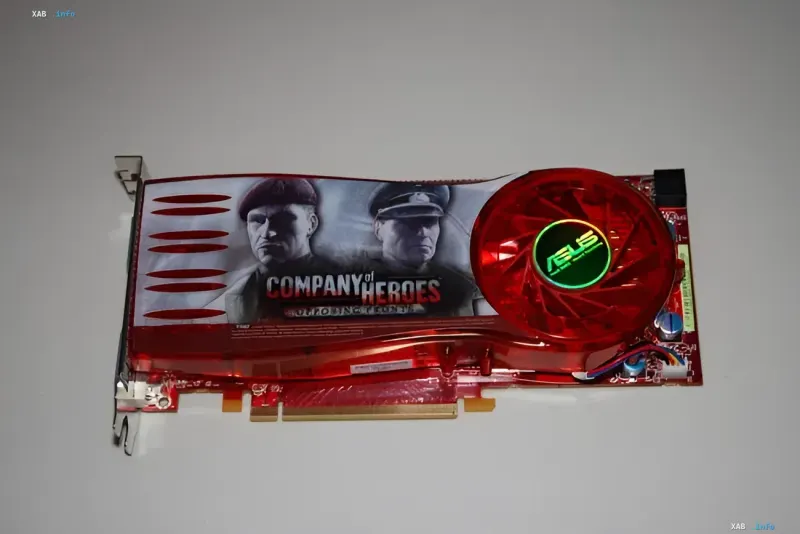
The upcoming Linux kernel graphic stack updates, scheduled for release in version 7.5, include a patch that fixes a defect present in the code for nearly two decades. The issue relates to hardware video decoding on older AMD Radeon HD 2000 and HD 3000 series video cards—lineups that date back to 2007. As a result, by the time of this fix, the bug was nearly twenty years old, making it one of the longest-standing defects in the history of the open-source graphics driver.
A Twenty-Year-Old Video Decoding Defect
According to the primary source, the issue affects the Unified Video Decoder (UVD), a subsystem responsible for providing hardware acceleration for popular video formats, including H.264 and VC-1. Decoding failed to work correctly on these specific chips, limiting the capabilities of older card owners when playing video on Linux. The defect persisted from the introduction of the HD 2000 series in 2007 and went unaddressed throughout that entire period.
Ted Bullock's Patch and Codex Support
The fix was prepared by developer Ted Bullock; reports indicate that work on the patch was supported by Codex. The completed solution has been included in the GPU updates slated for the Linux 7.5 kernel. This means users will receive the fix as a standard part of the planned kernel update rather than through a separate out-of-band release.
What This Means for Users
In practice, the fix restores proper hardware-accelerated video decoding on legacy, yet still-used AMD Radeon HD 2000 and HD 3000 graphics cards. For owners of such systems, this translates to more stable and energy-efficient playback of H.264 and VC-1 formats without having to rely entirely on CPU software processing.
Context: Supporting Older GPUs in the Linux Ecosystem
Fixing such a long-standing defect demonstrates a characteristic trait of the open-source software ecosystem: support for legacy hardware can continue for decades, even long after the chips have exited the manufacturer's active lineups. This is important for the community, as a significant portion of desktop and server systems in the Linux world still operate on aging hardware, and maintaining proper video decoding functionality directly impacts the daily user experience.