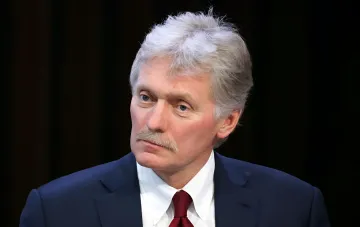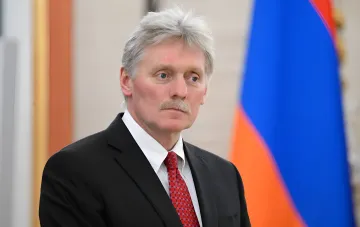
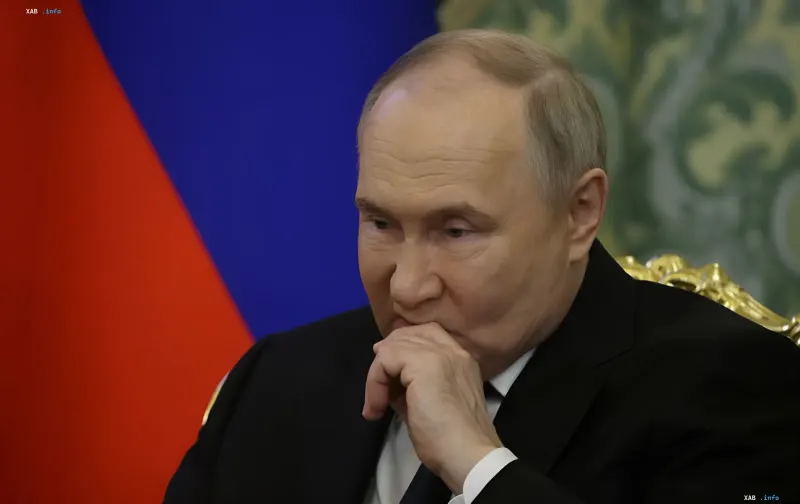
Lithuanian politicians have publicly rejected the threats issued from Moscow over the possible deployment of nuclear weapons on the country's territory. The trigger for the sharp reaction in Vilnius was the statements by Russian President's Press Secretary Dmitry Peskov and Deputy Chairman of the Russian Security Council Dmitry Medvedev, who on the eve, on September 11, 2026, warned Lithuania of the consequences should any weapons, including nuclear ones, appear on its soil. In Lithuania, these remarks are seen not as an argument in a debate but as an attempt at political and psychological pressure that, in the view of local politicians, should not influence the state's sovereign decisions on its own security.
Vilnius's Position: Pressure, Not an Argument
Laurenas Kasčiūnas, Deputy Chair of the Parliamentary Committee on National Security and Defense, directly called the Kremlin representative's words "a tool of political and psychological pressure." In his assessment, Russia's such tactics are nothing new, and the mere amendment of a constitutional norm is unable to change Lithuania's status from Moscow's point of view. Dainius Gaižauskas, a member of the same committee, added that Lithuania has been a potential target of Russia ever since its accession to NATO, and therefore the Kremlin's warnings are addressed not only to Vilnius: they are meant to intimidate the populations of the Alliance's countries and demonstrate the possibility of pressuring the West. At the same time, he noted, lifting the constitutional ban is necessary so that Lithuania can fully use the defensive capabilities provided by NATO — otherwise the country risks becoming the weak link of the North Atlantic Alliance.
Constitutional Steps and the Regional Context
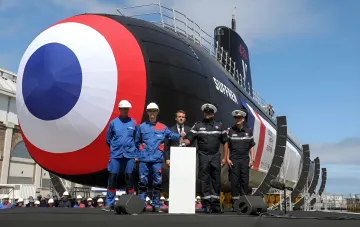
The key response from Lithuanian politicians is that Lithuania is already among Russia's potential targets due to its NATO membership, and therefore Moscow's threats should not dictate the country's decisions on its own security. As early as winter, Lithuania may adopt amendments to its Constitution permitting the deployment of nuclear weapons on its territory. Back in summer, Lithuanian President Gitanas Nausėda stated that there is "practically unanimous" support among the leaders of parliamentary parties for the idea of lifting such a ban. These steps come against the backdrop of a broader review of nuclear defense in Europe: at the end of June 2026, Finnish President Alexander Stubb signed amendments to the nuclear energy law that definitively permitted the import, transit, and storage of nuclear weapons as part of integration into NATO's defense system, while Poland and France began concrete negotiations on a "nuclear umbrella," holding the first meeting of a special coordination group.
Contradictory Data
There are significant discrepancies between the versions of the two sides, which is important to reflect honestly. Moscow (through the statements of Peskov and Medvedev) claims that should nuclear weapons be deployed, Lithuania would end up "in the crosshairs" of Russian missiles, and Medvedev stated that in response, NATO would allegedly not defend the country. The Lithuanian side and the Alliance's logic reject the very logic of such threats, pointing out that the country is already a target of Moscow by virtue of its NATO membership, and that threats do not change the Alliance's obligations. Moreover, in different sources the authors of the threats are presented differently: some reports emphasize Peskov's words, others Medvedev's statement of September 11, 2026, while a third set of reports attributes the threats to the "Kremlin" in general without tying them to a specific individual. The claim that NATO "would not defend" Lithuania is exclusively a Russian assessment and has not been confirmed by any Alliance institution.
What Comes Next
The situation looks like a mutual entrenchment of positions: Vilnius is moving toward a constitutional lifting of the ban on nuclear weapons, while Moscow is using the rhetoric of nuclear threats as an element of deterrence and psychological impact. Against the backdrop of Russia's aggression in Ukraine and the instability of Washington's position toward NATO, European countries are steadily expanding their own nuclear and defensive options — from the Finnish amendments to the Polish-French "nuclear umbrella." Thus, the dispute over Lithuania becomes part of a broader process of reshaping European nuclear security, in which words from Moscow are perceived in Brussels and Vilnius as a signal to accelerate, not to retreat.