
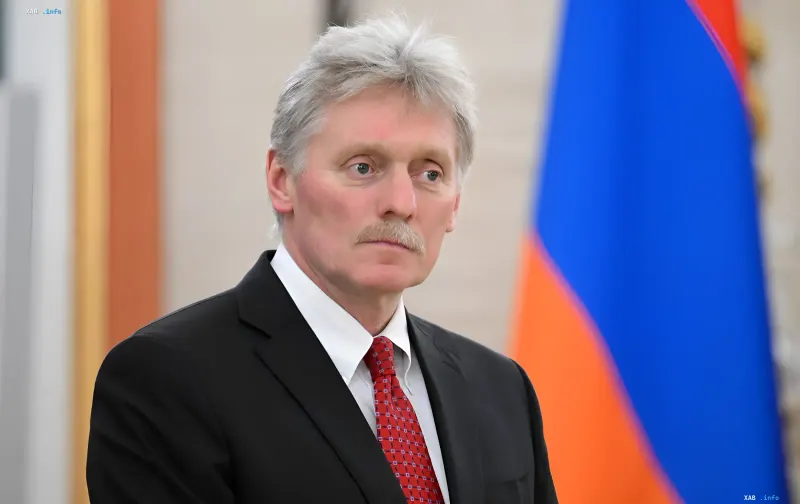
The Kremlin has made harsh statements amid discussions in Western media and expert circles regarding potential scenarios for a naval blockade of the Kaliningrad region by NATO forces. Russian presidential press secretary Dmitry Peskov openly stated that Moscow is recording such initiatives and intends to respond to any threats to the enclave's security by all available means, including its strategic arsenal.
Nuclear Threats and Diplomat Warnings
According to the official Kremlin spokesman, Russian diplomatic agencies are already conducting explanatory work with European politicians. Moscow emphasizes that any attempts to restrict or block transport and economic links between the Kaliningrad region and the rest of Russia will be viewed as a direct violation of state sovereignty. In this regard, "hotheads in Europe" are regularly reminded of the provisions of Russia's nuclear doctrine.Reaction to Western Media Publications
The trigger for the latest escalation in rhetoric was recent publications in British media, notably The i Paper, as well as television broadcasts analyzing potential risks and options for blocking the region by North Atlantic Alliance forces. In response, Russian embassies in the UK and Ireland issued sharp démarches, raising the possibility of preventive strikes against decision-making centers if forceful scenarios are implemented.Contradictory Data
It is worth noting certain discrepancies in assessing the scale of the threat between Western analysts and official Moscow. While British and European experts view hypothetical scenarios of containment or logistical pressure within the framework of a broader confrontation, the Russian side interprets these discussions as preparation for real aggression and blockade, demanding preventive informational and military pressure on European partners.
Analysis of Consequences and Context
Such statements come against the backdrop of large-scale geopolitical tension and the ongoing review of Russia's military security parameters. Recall that shortly before this, the Russian leadership took steps to increase the size of the armed forces and classify key energy sector statistics. Experts agree that the escalation around Kaliningrad remains a tool of psychological pressure on EU countries.