Revolution in Anti-Submarine Warfare: From Months to Minutes
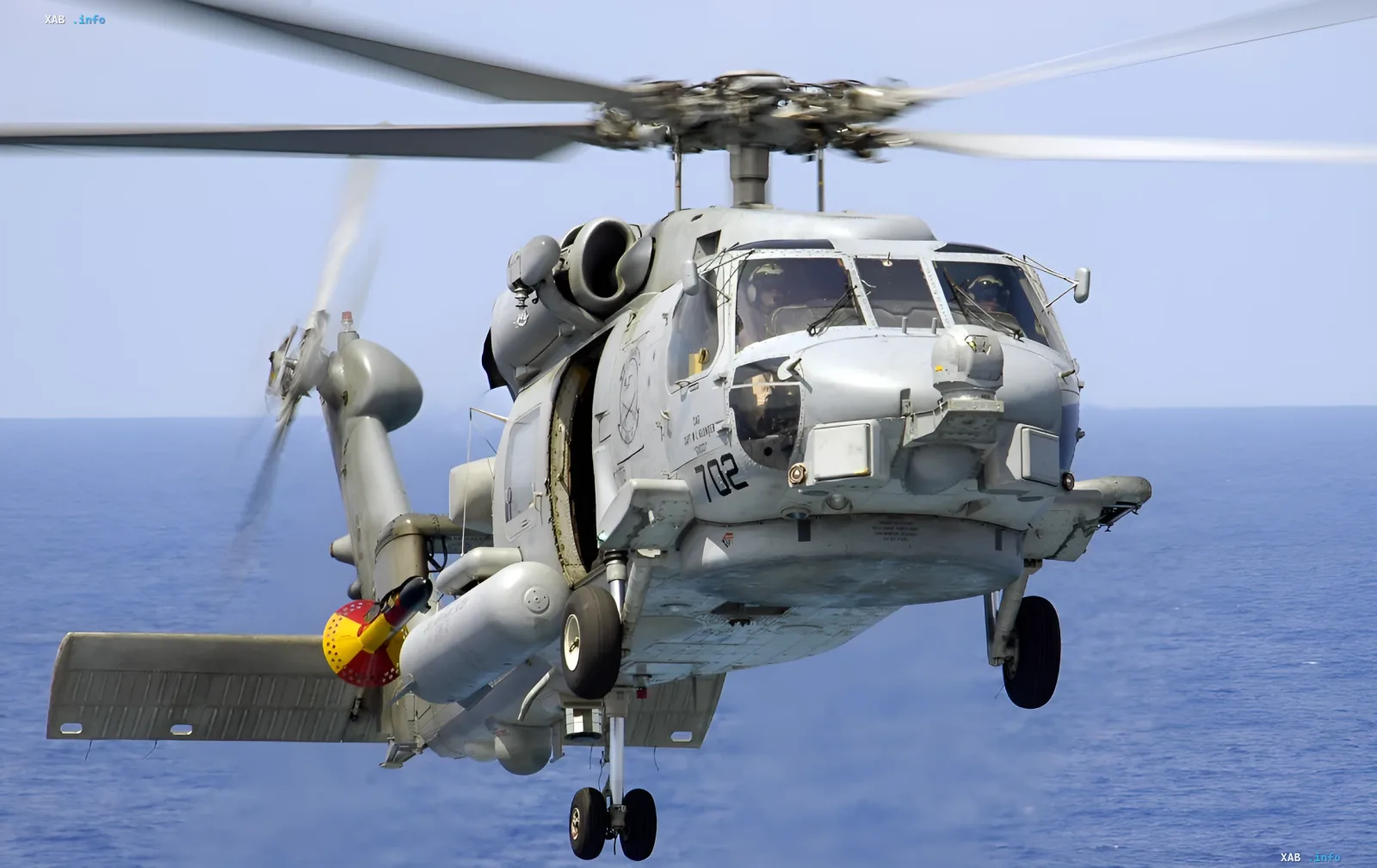
During the world's largest multinational naval exercises, RIMPAC 2026, held in the waters off Hawaii, Lockheed Martin demonstrated a breakthrough technology capable of radically changing anti-submarine warfare tactics. The focus was on the SensorMAX artificial intelligence system, integrated onto MH-60R Seahawk helicopters. The main achievement of the trials was the system's ability to "retrain" in real-time: upon detecting a new submarine acoustic signature, the AI can create and deploy an updated recognition model in less than five minutes, transmitting it to aircraft currently in flight.
Previously, the process of integrating new acoustic information into combat systems took weeks or even months. This required a complex cycle of data analysis, software development, and mandatory cyber-certification. Now, thanks to compact updates, helicopters receive improved recognition capabilities directly during combat missions without returning to base. This is critical in conditions where the enemy actively changes tactics and the noise characteristics of their submarines.
Technical Details: How SensorMAX Works in Combat
During the exercises, two MH-60R Seahawk helicopters practiced anti-submarine missions against a hypothetical underwater threat. The aircraft dropped acoustic buoys that recorded underwater sounds. The received data was transmitted in real-time to the helicopters and a ground station. The artificial intelligence continuously analyzed these acoustic signals, detecting suspicious noises and highlighting potential submarine contacts for crew assessment.
According to Lockheed Martin, the SensorMAX system can simultaneously process up to eight data streams from buoys. This is twice as much as the outdated sound processing systems currently in use. Such throughput allows operators to see a more complete picture of the underwater situation and make decisions faster.
Distributed Maritime Operations (DMO) Concept
The development of SensorMAX fits into the broader US Navy strategy known as Distributed Maritime Operations (DMO). This concept suggests that in the future, such AI systems will serve not only MH-60R helicopters but also P-8A Poseidon patrol aircraft, destroyers, and unmanned surface and underwater vehicles. The goal of DMO is to create a unified, distributed network of intelligence and strike, where every element of the fleet is enhanced by data from others through powerful AI algorithms.
Contradictory Data
While Lockheed Martin claims a system retraining time of less than five minutes, experts in cybersecurity and military avionics note that the speed of deploying updates in real combat conditions may depend on the quality of the secure communication channel and interference. While the laboratory and exercise conditions of RIMPAC 2026 demonstrated ideal algorithm performance, under real enemy electronic warfare suppression, the delay in transmitting the updated model could be higher than the claimed five minutes. Nevertheless, even if the time increases to 10-15 minutes, the technology remains revolutionary compared to the monthly update cycles of the past.