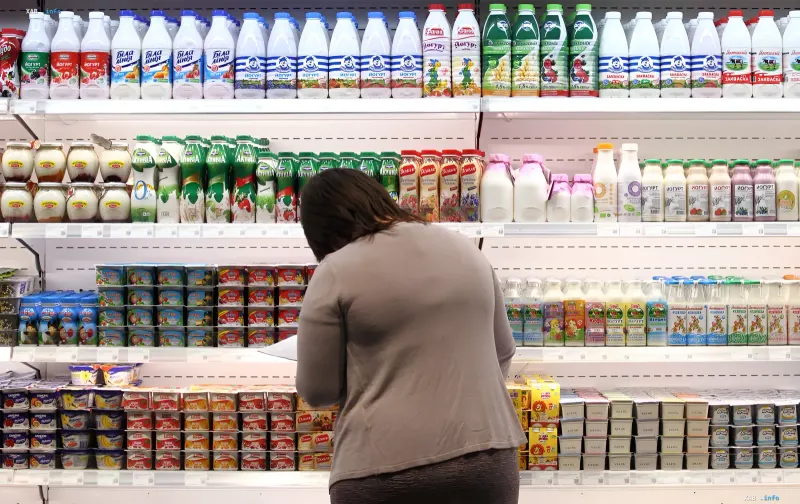
In August 2026, Ukrainian consumers faced a new reality: familiar brands of dairy products and baby food began disappearing from the shelves of major retail chains such as «Silpo» and «Fozzy». The situation, reminiscent of shortages, caused panic among shoppers; however, market experts insist that the problem lies not in a lack of production, but in the destruction of the logistics infrastructure.
Supply Chain Break: Factories Are Working, but Goods Are Not Arriving
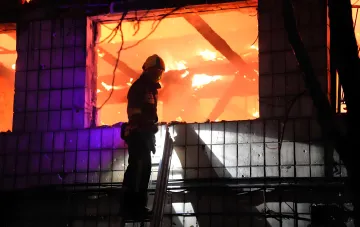
The key issue in the current crisis is the break between the producer and the retail point. According to the Union of Dairy Enterprises, factories are operating in normal mode, and there is no systemic production deficit in the country. However, strikes on the distribution centers (DCs) of Fozzy Group and the production sites of key market players have resulted in products physically being unable to be delivered to stores. This is felt most acutely in the segment of chilled dairy products, where temperature control and short shelf life are critical.
Hit on the Giants: Danone, Lactalis, and YAMZ
Arsen Didur, Executive Director of the Union of Dairy Enterprises, confirmed that the capacities of such giants as Danone, Lactalis, and Yagotyn Dairy Plant were hit. Damage to their production and distribution capacities led to a significant depletion of the assortment in «Silpo» and «Fozzy» chains. Only those brands that were able to quickly reorganize logistics and find alternative delivery routes remained on the shelves, while major players were forced to suspend supplies.
Economic Confrontation: Who Pays for the Risks
The situation is exacerbated by economic disagreements between retailers and producers. According to experts, some retail chains are demanding 100% compensation from suppliers for logistics risks associated with the war. This requirement forces processors to seek alternative sales channels or temporarily increase exports, as delivery within the domestic market becomes economically unviable. Furthermore, about 75% of producers do not have their own fleet for direct delivery, making them entirely dependent on the operation of distribution centers.
Forecast for Autumn 2026: Recovery and Price Risks
Stabilization of the situation will depend on the speed of restoring warehouse infrastructure and creating alternative logistics routes. For consumers, this means that the assortment will return gradually. Analysts warn: even after the resumption of supplies, more expensive logistics in wartime conditions will create a long-term risk of price increases for certain goods. In August 2026, about 100,000 square meters of warehouses were put out of operation in the Kyiv region, dealing a colossal blow to the industry.
Business Position and Requests to the State
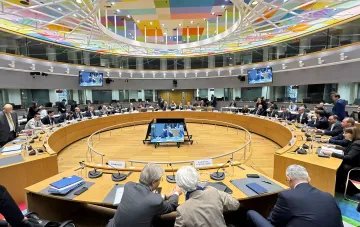
Andrey Zhuk, Chairman of the Agribusiness Council, and UKAB analyst Maksym Hopka note that companies have suffered huge losses. The industry expects active action from the state: preferential logistics subsidies and insurance against war risks. In response, the government has instructed relevant ministries to prepare reserve warehouses for affected companies to minimize the impact of future strikes on the country's food security.