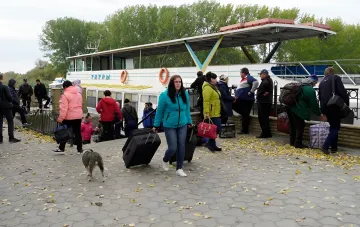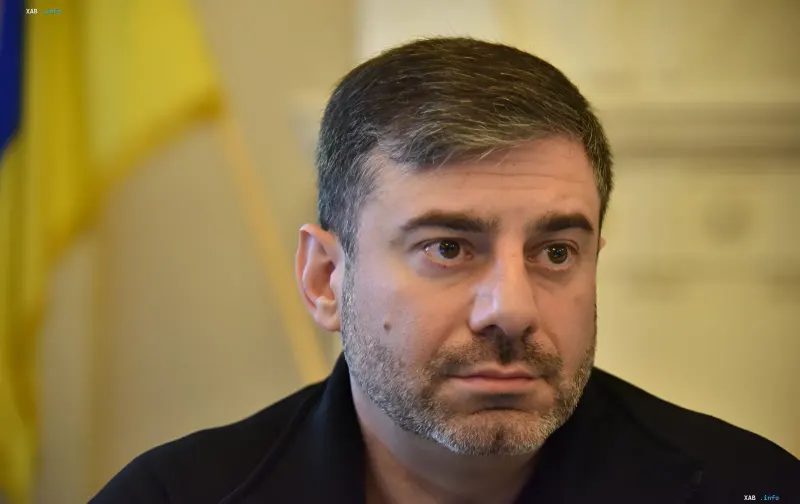
Amid the ongoing evacuation of residents from occupied Oleshky, Verkhovna Rada Commissioner for Human Rights Dmytro Lubinets commented on the operation's progress and addressed mounting concerns regarding so-called filtration. Speaking on TSN television, he stated that no phone checks or people screening were carried out, and residents independently decided where to go. The statement came a day after the Ukrainian delegation arrived in the town and the population removal began.
No filtration or checks
Lubinets noted that some Oleshky residents were worried that heading specifically into Ukraine would subject them to Russian filtration. However, according to his data, no such checks took place. People decided for themselves where to move, and this choice alone determined their further evacuation route, without any coercion or selection along the way.
How the convoy was organized
On October 30, the Ukrainian delegation arrived in Oleshky, after which evacuation and humanitarian aid distribution began in the town. The evacuation convoy included 25 buses, 50 medical workers, and ambulances. The humanitarian convoy evacuated more than 750 Oleshky residents, ensuring medical support along the entire route.
Where the residents went
Most of the evacuees left for Ukraine, while some residents chose to go to Russia. Along the road from Oleshky, residents of surrounding villages who independently sought help joined the column. On the same day, the Ukrainian delegation, along with the evacuated residents of Oleshky, headed to Anapa in Russia.
Silence regime and data clarification
As noted in the context of the operation, the silence regime in the Oleshky area is maintained without violations. At the same time, the exact number of rescued people was not named at the time of the statement: details are promised after data verification, indicating that the final evacuation statistics are still being compiled.