Scientists at the Institute of Cell Biology of the National Academy of Sciences of Ukraine in Lviv have developed an innovative technology for producing vitamin B2, also known as riboflavin, using genetically modified yeast. This was announced by the institute's director, Kostiantyn Dmytruk, in an interview with media outlets. The new method makes it possible to produce the valuable vitamin from cheap non-food raw materials and industrial by-products, making the process more economical and environmentally friendly compared to traditional chemical methods.
Advantages of Microbial Fermentation
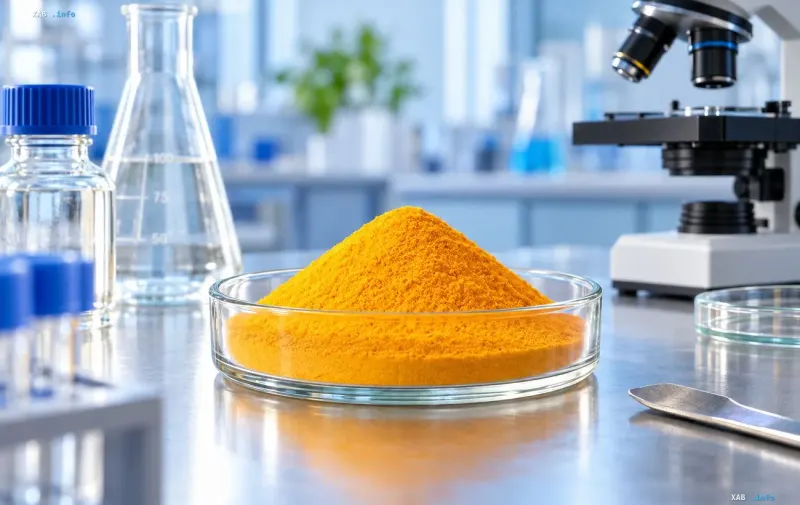
Since the 2000s, global industry has begun to gradually phase out complex chemical synthesis of riboflavin in favor of microbial fermentation. This biological approach requires less energy and significantly reduces negative environmental impacts. Vitamin B2 finds wide application in the modern economy: it is used as a valuable feed additive in animal husbandry, a natural food colorant in the food industry, and as a key component in multivitamin and dietary supplements.
Solving Strain Stability Issues
Traditionally, researchers attempted to use Candida famata yeast for industrial vitamin synthesis, but this idea had to be abandoned due to the genetic instability of the organisms. Over time, such strains lost their ability to produce riboflavin productively. Lviv researchers used modern genetic and metabolic engineering methods to overcome this barrier, increasing both strain stability and target product yield.
Using Non-Food Raw Materials
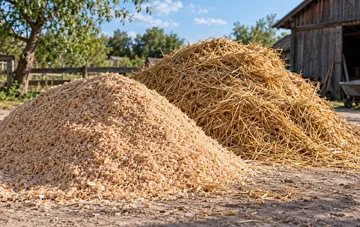
To reduce production costs, scientists adapted yeast to process alternative substrates, including bagasse hydrolysates — plant waste from sugarcane processing — and dairy whey. The latter is rich in lactose and micronutrients, creating ideal conditions for microorganism growth. Although the developed strains currently lag behind bacterial counterparts in pure productivity, their ability to utilize waste opens up fundamentally new prospects for waste-free production.
Prospects for Biotechnology Implementation
The Ukrainian biologists' development marks an important step toward integrating science into the real economy and resource recycling. Transitioning to renewable raw materials reduces production costs and addresses environmental challenges related to industrial waste disposal. Moving forward, researchers plan to continue optimizing the strains to enhance their commercial appeal on the global biotechnology market.