A new wave of tension has emerged in diplomatic relations between Spain and Morocco. The Madrid government has categorically rejected the proposal from official Rabat to discuss the sovereign status of two autonomous cities in North Africa — Ceuta and Melilla. In response to a statement by Morocco's Minister of Justice, Abdelatif Ouahbi, who called for this issue to be included in the negotiation agenda, Spanish authorities gave a firm answer: the territorial integrity of the country is not open for discussion under any circumstances.
Categorical Response from Madrid: Sovereignty is Non-Negotiable
Spanish Defense Minister Margarita Robles, speaking in Ceuta, clearly outlined Madrid's position. She confirmed that these two territories are an indivisible part of Spain and warned that any attack on Ceuta or Melilla would be considered an attack on Spain as a whole. The Spanish Ministry of Foreign Affairs also issued an official statement, recording that the issue of territorial integrity "is not being discussed and will not be discussed" with any party. This statement served as a direct response to Morocco's attempts to legitimize its claims through diplomatic dialogue.
Historical Context of the Territorial Dispute
Since gaining independence in 1956, Morocco has considered Ceuta and Melilla occupied territories and asserts that final sovereignty should be transferred to Rabat. The Moroccan side regularly raises this issue during negotiations, hoping to resolve the dispute through dialogue. However, Spain insists that these territories have been under its control for centuries and are an integral part of Spanish territory. This dispute remains one of the most sensitive issues in bilateral relations, exacerbated by migration crises.
Conflicting Data on Migration Crisis Casualties
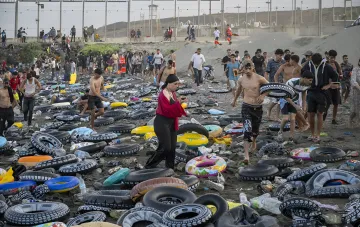
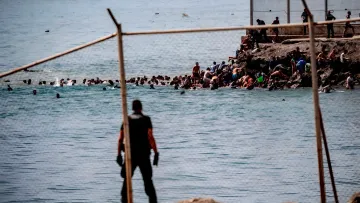
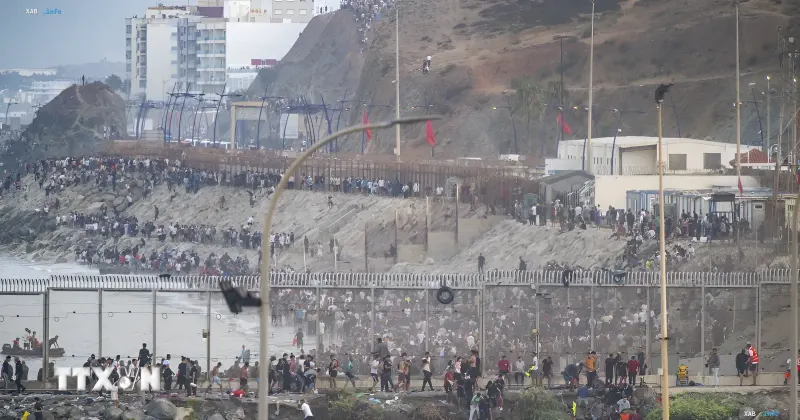
The diplomatic confrontation intensified against the backdrop of tragic events at the end of July, when tens of thousands of migrants attempted to cross the border into Ceuta. This became one of the largest migration waves since the 2021 crisis. However, the sides and sources differ in their assessment of the number of casualties in this tragedy. Official preliminary data from the Spanish Ministry of the Interior, announced by its head Fernando Grande-Marlaska, indicate at least 67 deaths directly during the mass border storming (due to stampedes and drowning while bypassing breakwaters). At the same time, human rights organizations and subsequent reports estimate the number of victims to be between 96 and 111, accounting for bodies found later along the coast of Ceuta and on the adjacent Moroccan side near the city of Fnidek.
Increased Control and Migration Pressure
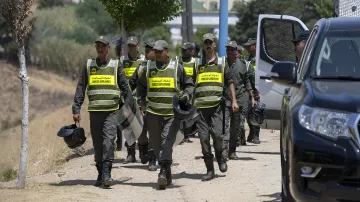
Ceuta and Melilla are located on the northern coast of Morocco and are the only two land border crossings between the European Union and Africa. This unique location makes them frequent hotspots for illegal migration. Amid fears of a repeat of mass border crossings, the Moroccan Ministry of the Interior strengthened security measures on August 12. Rabat warned that organizers or participants in new attempts could be held accountable and called on Spain to accelerate the repatriation of unaccompanied minors. The strengthening of border control and the reaffirmation of sovereignty by both sides indicate that these territories remain critically important points in relations between Madrid and Rabat.