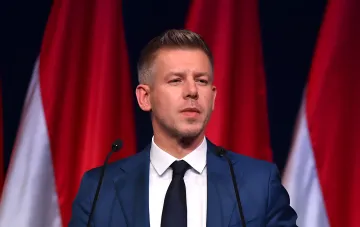

Hungary is preparing for one of the most notable shifts in social policy in recent years. The new government led by Prime Minister Peter Madyar intends to overhaul the adoption system, which under Viktor Orban's administration effectively stripped same-sex couples of the ability to take children into their care. Madyar stated this publicly, emphasizing that decisions about the conditions under which a child can be placed in a safe and harmonious family should be made by professionals, not politicians.
How the ban worked under Orban
Before the legislative changes adopted under Orban's government, same-sex couples in Hungary could adopt children if one partner filed an application in the status of a single person. The amendments introduced thereafter provided that single-person adoption applications had to be approved by the minister for family affairs. In practice, this procedure turned into a de facto ban: minister-level approval made it virtually impossible for same-sex couples to take a child into their care.
The new prime minister's position
Peter Madyar stated outright that his government will change this system. In his words, the question of under what conditions a child can live in a safe and harmonious family should be decided by professionals, not politicians. Thus, the new leadership is trying to move the decision out of the realm of ideological control and into the realm of professional assessment of a specific child's welfare.
Broader than adoption: the Orban-era package of restrictions
The changes in the adoption sphere were only part of a broader package of measures adopted during Orban's rule. At that time, legal recognition of gender change was restricted, the possibility of adoption by same-sex couples was effectively halted, and restrictions were introduced on materials about homosexuality and gender transition in schools. These steps formed the overall context against which the new government now announces a turnabout.
The European Court's ruling
In April 2026, the European Court ruled that Hungarian rules restricting access to LGBT+ content violate European legislation and contribute to the stigmatization and marginalization of LGBT+ people. This ruling increases pressure on Budapest and underscores that the overhaul of the adoption system announced by Madyar fits within a broader course of aligning Hungarian legislation with EU standards.