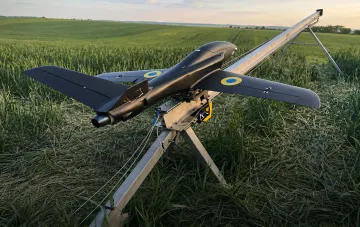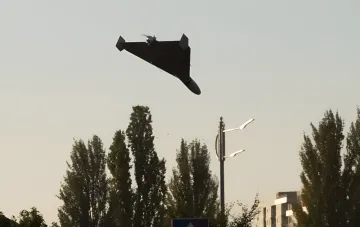
The Ukrainian Arms Council believes that the technical barrier in countering jet-powered Gerans has already been successfully overcome, but experts do not expect the mass destruction of these air targets within the coming month. Such conclusions are voiced amid active discussions about the problems of aerial terror and the search for effective technological responses to new battlefield challenges.
Background and Defense Progress Levels
According to the profile association, progress in combating upgraded drones can be divided into three key levels: individual successful intercepts with a new asset, regular destruction by various crews, and large-scale deployment capable of radically changing overall defense reporting statistics. To date, the first level has already been achieved, the second is actively forming, while reaching the third will take several more months of work.
Contradictory Data
There are certain discrepancies in the expert community regarding the exact timelines for the full-scale scaling of interceptor production: pessimistic and optimistic forecasts name timeframes ranging from two to three months to the end of the fourth quarter of the current year. In addition, estimates of the effectiveness of daytime and night operations of the new devices differ: while some analysts point to the dependence of optical systems on October weather conditions, other sources emphasize the integration of complex navigation systems similar to the Kh-101 missiles, which increase accuracy during daylight hours.
Technical Challenges and Interceptor Developments
Among the main reasons why the situation in the sky will not change instantly, experts cite delays in signing contracts, the need for large-scale crew training, and the integration of new interceptors into a single target designation system. An additional obstacle is autumn weather, which degrades optics performance, as well as enemy countermeasures involving electronic warfare equipment. Nevertheless, the defense sector is actively adapting: in August, the Ministry of Defense announced the receipt of the first domestic jet interceptor, Alexa Spatium, and developers continue to improve other models, such as the Zorelit v5 drones.
Expert Assessments and Prospects
According to official data cited by the Arms Council, about 55-60% of jet drones are currently being shot down, compared to over 90% for classical propeller-driven Shaheds. Experts will consider a real breakthrough to be a stable exceeding of the 60% effectiveness threshold in the Air Force reports. Representatives of development companies hope to go from the appearance of the first effective means to the destruction of the absolute majority of threats much faster than it happened with previous generations of UAVs.